Sports
Posiciones de Mundial 2026: FIFA World Cup Standings, Final Rankings, and Results

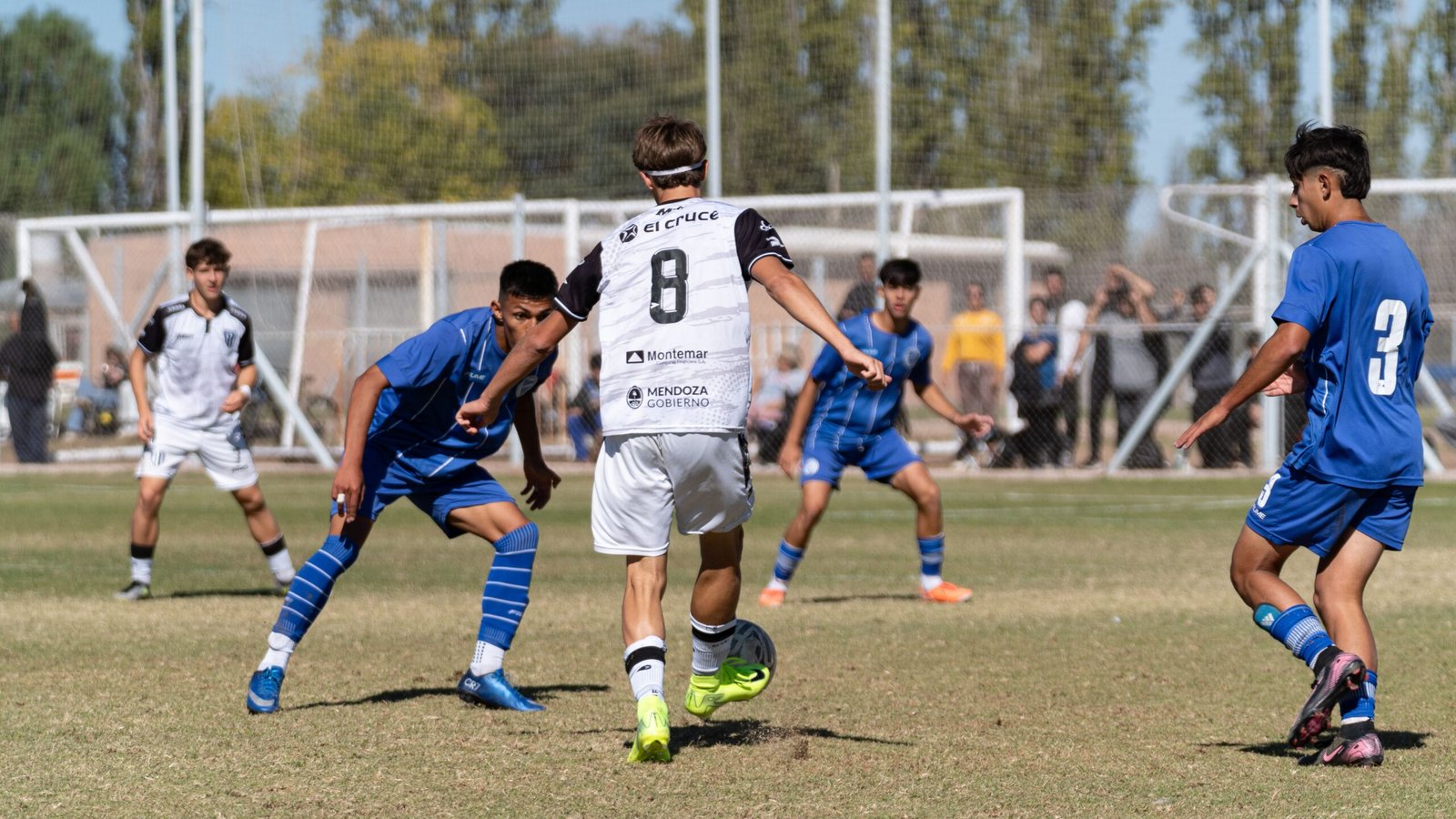
The search term “posiciones de mundial” means World Cup standings or rankings in Spanish. Football fans use it to find team positions, group tables, points, goal differences, match results, and information about which national teams advance to the next stage of the FIFA World Cup. In 2026, the FIFA World Cup brought together 48 national teams in Canada, Mexico, and the United States, making it the largest edition of the men’s tournament to date.
The competition ran from June 11 to July 19, 2026, featuring 104 matches. Spain won the 2026 FIFA World Cup, defeating Argentina 1–0 after extra time in the final. England finished third after beating France 6–4 in the bronze-medal match. These results shaped the final tournament rankings and gave fans plenty to discuss.
What Does Posiciones de Mundial Mean?
Posiciones de mundial refers to the standings of teams competing in a World Cup. During the group stage, the standings show how each national team performs against the other teams in its group. Fans can use these tables to see which teams lead, which are competing for qualification, and which face elimination.
A typical World Cup standings table includes several important statistics. PJ means partidos jugados, or matches played; G means ganados, or wins; E means empates, or draws; and P means perdidos, or losses. Other common abbreviations include GF for goals scored, GC for goals conceded, DG for goal difference, and Pts for points.
These figures help supporters understand more than the number of victories a team has achieved. Two teams may have the same number of points, for example, but their goal difference or goals scored can determine which one finishes higher.
It is also important to distinguish World Cup standings from the FIFA world rankings. Tournament standings reflect results in a particular competition, while FIFA’s international rankings evaluate national teams across a broader set of international matches.
Final Posiciones de Mundial 2026: Top Four Teams
The 2026 tournament concluded with Spain at the top of the final standings. Argentina reached the final, while England and France contested the third-place match. The following table summarizes the leading four teams in the final tournament rankings.
| Position | National team | Final result |
|---|---|---|
| 1 | Spain | World Cup champion |
| 2 | Argentina | Runner-up |
| 3 | England | Won the bronze-medal match |
| 4 | France | Lost the bronze-medal match |
Spain’s victory came after a 1–0 win over Argentina following extra time on July 19, 2026. England secured third place with a 6–4 victory over France on July 18. FIFA’s final tournament standings rank all 48 participating nations according to their results and the applicable ranking criteria.
These final positions are useful for fans who want to know the tournament champion, the teams that reached the final stages, and how the leading countries performed. However, the top four do not tell the entire story: the remaining teams also earned their final positions based on their group-stage and knockout-stage performances.
How the 2026 World Cup Group Tables Worked
The expanded 2026 FIFA World Cup featured 12 groups, labeled A through L, with four national teams in each group. Every team played three group-stage matches. The two highest-ranked teams in each group qualified automatically for the Round of 32, alongside the eight best third-placed teams.
Teams traditionally receive three points for a win, one point for a draw, and zero points for a defeat. Their standings therefore change after each match, depending on the result and the performances of their group rivals.
For example, Mexico finished first in Group A with nine points after winning all three group matches. South Africa finished second with four points, followed by South Korea with three and Czechia with one. In Group H, Spain finished first, while Cabo Verde secured second place and progressed to the knockout stage.
These examples demonstrate why fans follow group tables closely. A team can qualify with fewer points than a team in another group because qualification depends on its position within its own group and, for third-placed teams, how its record compares with other third-place finishers.
How Teams Are Ranked When Points Are Equal
One of the most common questions about posiciones de mundial is how two teams are separated when they finish with the same number of points.
During the group stage, the tournament’s official tie-breaking rules determine the order of teams. Goal difference, goals scored, and other prescribed criteria may become important when teams cannot be separated by their points total. Fans should consult the official competition regulations for the exact order of criteria applied to a particular tie.
Goal difference is calculated by subtracting the goals conceded from the goals scored. A team that scores eight goals and concedes three has a goal difference of +5. A team that scores four and concedes five has a goal difference of −1.
Final tournament rankings also use specific criteria when teams are eliminated at the same stage. FIFA’s published 2026 final standings explain that total points across matches, goal difference, and goals scored help determine the final order, with penalty-shootout matches counted as draws for these calculations.
Understanding these rules makes it easier to interpret standings accurately instead of assuming that every tie is resolved by the number of wins alone.
Where to Check Posiciones de Mundial and Match Results
Football fans looking for reliable World Cup standings should use sources that clearly identify the competition, date, and stage of the tournament. The official FIFA website is the best starting point for historical results, final positions, match reports, and tournament regulations.
For the completed 2026 World Cup, FIFA’s final tournament standings page provides the positions of all 48 participating countries. Sports news organizations and football statistics websites can also provide group tables, individual match scores, goal statistics, and tournament summaries.
When checking a standings page, confirm whether it displays live group-stage positions, final group tables, knockout results, or the final ranking of the entire tournament. These are different types of information and should not be confused.
Fans searching in Spanish may find relevant information using phrases such as “posiciones del Mundial 2026,” “tabla de posiciones del Mundial,” “clasificación del Mundial,” and “resultados de la Copa Mundial.” In English, equivalent searches include “2026 World Cup standings,” “World Cup final rankings,” and “FIFA World Cup results.”
Why World Cup Standings Matter to Football Fans
World Cup standings help supporters understand the tournament as it unfolds. During the group stage, tables show which teams are leading, which need a victory to qualify, and which may depend on results elsewhere. Goal difference can become particularly important when several teams are competing for the same qualification places.
After the group stage, attention shifts to the knockout bracket. Every match can determine whether a national team advances or goes home. The final rankings then provide a record of the teams’ overall tournament performance.
Standings are also useful for journalists, analysts, fantasy football participants, and people comparing national-team performances. They provide a consistent framework for examining results, scoring records, defensive performance, and progress through the competition.
However, a team’s final position does not necessarily describe every aspect of its performance. Injuries, difficult opponents, penalty shootouts, and individual moments can all affect a tournament. Match reports and statistical analysis can add context to the figures shown in a table.
Frequently Asked Questions About Posiciones de Mundial
What are posiciones de mundial?
The Spanish phrase means World Cup standings or rankings. It commonly refers to national-team positions, group tables, points, and qualification status.
Who won the 2026 FIFA World Cup?
Spain won the tournament by defeating Argentina 1–0 after extra time in the final on July 19, 2026.
Which teams finished in the top four in 2026?
Spain finished first, Argentina second, England third, and France fourth in the final tournament standings.
How many teams participated in the 2026 World Cup?
The tournament featured 48 national teams, divided into 12 groups of four during the group stage.
Where can I find the complete final standings?
Visit FIFA’s official 2026 final tournament standings page to see the rankings of all participating countries.
Conclusion
Posiciones de mundial is a useful search term for anyone who wants to follow World Cup tables, understand team rankings, or review the results of international football. The 2026 FIFA World Cup concluded with Spain as champion, Argentina as runner-up, England in third place, and France in fourth.
Whether you are checking group-stage qualification, comparing goal differences, or reviewing the final positions of all 48 teams, reliable standings make the tournament easier to understand. For the most accurate historical information, consult FIFA’s official results and final ranking records.

How far did I run? It is a common question for beginners, experienced runners, fitness enthusiasts, and anyone who wants to understand their daily physical activity. Whether you completed a morning jog, ran on a treadmill, explored a new trail, or exercised around your neighborhood, knowing your running distance helps you measure progress and plan future workouts.
Fortunately, we have several ways to calculate how far we ran, even when we did not use a GPS watch or running application. We can check a fitness tracker, review a phone’s location history, calculate distance using a map, or estimate the distance from our running time and pace. Each method offers a different level of accuracy, depending on the available information and running conditions.
In this guide, we explain how to find your running distance, calculate miles and kilometers, use GPS tracking tools, estimate distance without technology, and understand how distance tracking can improve your fitness routine.
1. How Can I Find Out How Far I Ran?
The easiest way to determine how far you ran is to check whether a device or application recorded your activity. Smartphones, GPS watches, fitness trackers, and running applications can measure or estimate distance using different methods.
Check your phone first. If you started a running workout in a fitness application, open the app and look at your workout history. Depending on the application, you may see distance, duration, average pace, route, and estimated calories burned.
Review your running watch or fitness tracker. Devices from Garmin, Apple, Fitbit, and other manufacturers may record running distance when you start an activity. Some watches use GPS, while others can estimate distance from movement sensors or connected devices.
Look at your treadmill display. If you ran indoors, the treadmill may show the distance covered during your session. Remember that treadmill readings can differ from the actual distance because of calibration and equipment settings.
If you did not track your run, do not worry. You can still estimate the distance by reconstructing your route on a digital map or calculating it from your running time and pace.
The important point is that your exact running distance cannot be determined from the question alone. We need at least one piece of information, such as a recorded workout, a route, a known pace, or the time you spent running.
2. How to Calculate Running Distance Using Time and Pace
If you know how long you ran and your average pace, you can calculate your distance using a simple formula.
Running distance = Running time ÷ Pace
The units must match. If your pace is expressed in minutes per kilometer, your running time should be in minutes, and the result will be kilometers. If your pace is in minutes per mile, the result will be miles.
For example, suppose you ran for 30 minutes at an average pace of 6 minutes per kilometer.
Distance = 30 ÷ 6 = 5 kilometers
If you ran for 40 minutes at a pace of 10 minutes per mile, your distance would be:
Distance = 40 ÷ 10 = 4 miles
Here are some additional examples.
| Running time | Average pace | Estimated distance |
|---|---|---|
| 20 minutes | 6 min/km | 3.33 km |
| 30 minutes | 6 min/km | 5 km |
| 45 minutes | 7.5 min/km | 6 km |
| 30 minutes | 10 min/mile | 3 miles |
| 60 minutes | 10 min/mile | 6 miles |
These calculations work best when the pace is a reliable average for the entire run. If you alternated between walking, jogging, and sprinting, use your overall average pace rather than your fastest pace.
3. How to Measure Your Running Distance on Google Maps
If you remember where you started and finished, a digital map can help you reconstruct your route. This method is particularly useful when you forgot to start a running app or your device battery died.
To estimate your distance:
Open Google Maps.
Find your starting point.
Identify the roads, sidewalks, parks, or paths you followed.
Use the available directions or distance-measurement features to trace the route.
Add any extra loops or detours that you remember.
Check whether the final measurement is shown in kilometers or miles.
Follow the actual route rather than measuring a straight line between your starting point and destination. A straight-line measurement usually underestimates the distance when you follow winding roads or turn around obstacles.
For example, if you ran from your home to a park, completed two loops, and returned home, measure all three parts of the route. If each park loop is 800 meters, two loops contribute 1.6 kilometers to the total.
Map-based estimates may not account for every turn, shortcut, or trail variation. However, they can provide a useful approximation when no recorded workout is available.
4. Best Apps and Devices to Track How Far You Run
Running applications and wearable devices make it easier to track distance consistently. The best option depends on whether you want basic distance measurements or more detailed training information.
Strava records running activities and can display distance, pace, routes, and workout history when supported by the recording method and device.
Nike Run Club provides running tracking, guided workouts, and activity summaries for runners using compatible devices.
Watches from Garmin and other manufacturers can record distance, pace, elapsed time, and additional workout metrics.
Compatible Apple devices can record workouts and display distance and pace through the Workout app or supported third-party applications.
GPS-based tracking is generally useful for outdoor running, while indoor running may require treadmill data, a foot pod, or a device that estimates distance from movement. Tall buildings, tunnels, tree cover, and poor GPS reception can affect outdoor measurements.
5. Miles vs. Kilometers: Understanding Your Running Distance
Running distance is commonly measured in kilometers or miles. Many countries use kilometers, while miles remain common in the United States and some running events.
The conversion is straightforward:
1 kilometer = approximately 0.621 miles
1 mile = approximately 1.609 kilometers
5 kilometers = approximately 3.11 miles
10 kilometers = approximately 6.21 miles
Half marathon = approximately 21.1 kilometers or 13.1 miles
Marathon = approximately 42.2 kilometers or 26.2 miles
For example, if your running app shows 8 kilometers, you covered approximately 4.97 miles.
Understanding these conversions is helpful when comparing workouts from different applications, following training plans, or preparing for races that use a different measurement system.
We should also distinguish distance from pace. Distance tells us how far we traveled, while pace tells us how long it took to cover a unit of distance. Both measurements are useful, but they describe different aspects of a run.
6. Why Tracking Running Distance Matters
Recording how far you run helps you understand your activity patterns and develop realistic fitness goals. Instead of relying on memory, you can review previous workouts and observe how your training changes over time.
Monitor progress: Comparing similar runs can help you see whether you are gradually covering more distance or completing familiar routes at a faster pace.
Build endurance gradually: A training log can help you avoid increasing your running workload too quickly. Gradual progression and recovery are important for reducing unnecessary strain.
Plan race preparation: If you are training for a 5K, 10K, half marathon, or marathon, distance tracking helps you organize your training around your target event.
Understand your routine: Weekly distance totals can reveal whether you are running consistently or taking longer breaks between sessions.
Support recovery: Distance should be considered alongside perceived effort, sleep, soreness, and other factors. A longer run is not automatically a better workout.
For most recreational runners, consistency is more valuable than chasing a particular number every day. We should choose goals that fit our current fitness level and increase training gradually.
7. What If I Forgot to Track My Run?
If you finished running without recording your activity, you can still estimate the distance with a few practical steps.
First, write down your approximate start time and finish time. Next, identify the route you followed, including any loops or changes in direction. Use a map to measure the route, or calculate distance from your total running time if you know your average pace.
If you ran on a treadmill, check whether the console retains workout information. Some machines store session data, while others reset the display when the workout ends.
Avoid treating an estimate as an exact measurement. If you do not remember the route or pace, the result may be too uncertain to provide a reliable distance.
For future runs, start a GPS or fitness-tracking application before moving, allow the device to establish its location when necessary, and check that the workout is actually recording.
Conclusion
Finding out how far you ran is usually straightforward when you have a GPS recording, fitness tracker, treadmill reading, known route, or average pace. If you forgot to track your workout, you can reconstruct the route using a map or estimate the distance from your running time and pace.
For more consistent results, use the same tracking method for most outdoor runs and review your workout history regularly. Remember that GPS readings and treadmill measurements are estimates and can contain errors.
The most useful running distance is one that helps you understand your activity, monitor your progress, and train safely. Whether you are working toward your first kilometer or preparing for a marathon, tracking your distance can make your running routine easier to measure and manage.
Frequently Asked Questions (FAQ)
1. How can I find out how far I ran today?
Check your running app, GPS watch, fitness tracker, or treadmill display. If you did not record the run, estimate the route using a map or calculate distance from your running time and average pace.
2. Can my phone tell me how far I ran?
Yes. Compatible running apps can use your phone’s GPS to record outdoor distance. Accuracy depends on GPS reception, device settings, and the application.
3. How far did I run if I ran for 30 minutes?
It depends on your pace. At 6 minutes per kilometer, you would cover 5 kilometers. At 10 minutes per mile, you would cover 3 miles.
4. Is a running app accurate?
Running apps can provide useful estimates, but GPS signal quality, route conditions, and device settings can affect the results.
5. How can I calculate my distance without GPS?
Measure your route on a map or divide your total running time by your average pace, using consistent units.
6. How far is a 5K run in miles?
A 5K is approximately 3.11 miles.
7. What is the easiest way to track future runs?
Start a running app or GPS watch before each outdoor run. For treadmill sessions, record the displayed distance and check that the equipment is properly calibrated.
Want to calculate your own run? Share how many minutes you ran and your average pace, or tell me the route you followed, and I can help estimate your distance.
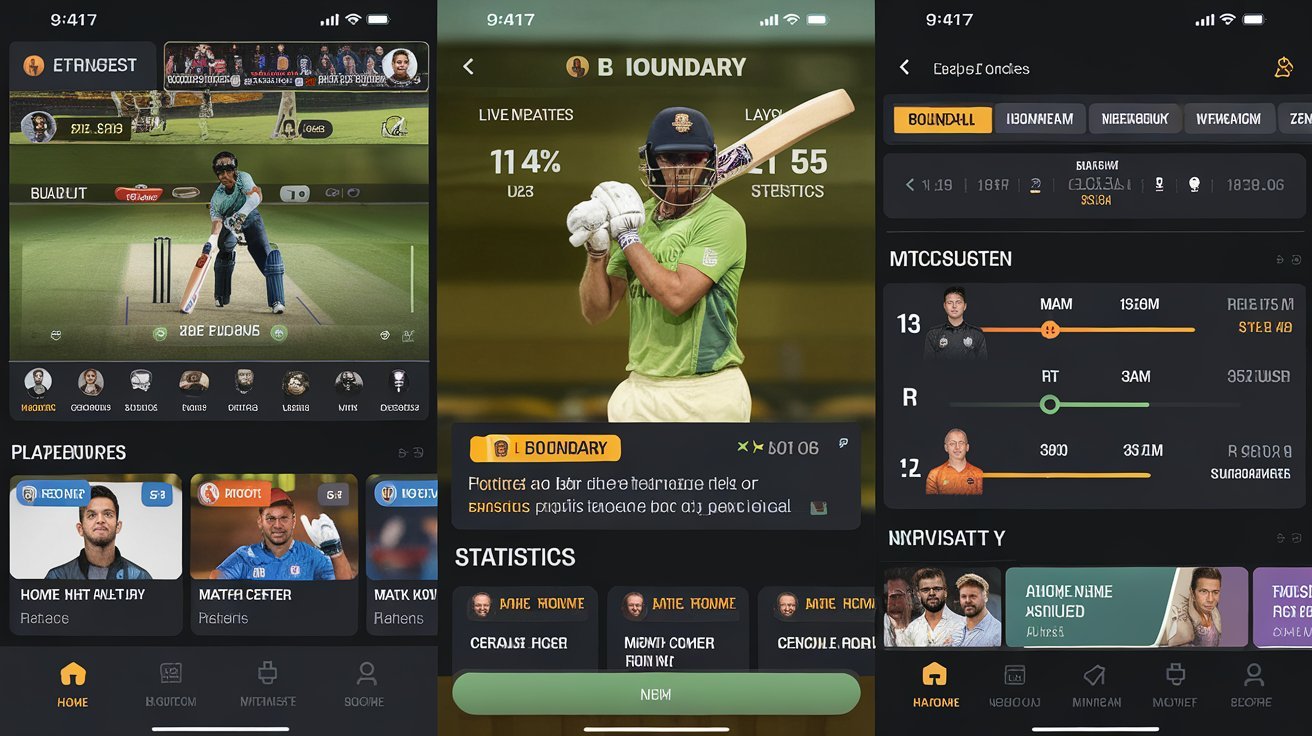
eTrueSports iOS app is a search term associated with the mobile sports and esports experience described by the eTrueSports website. In 2026, eTrueSports presents itself as a platform covering sports, esports, gaming, and technology, with a dedicated iOS App category. Its published material describes a mobile experience intended to help sports fans follow information, statistics, schedules, updates, and community activity from Apple devices.
There is an important distinction, however, between an article describing an iOS app and a currently verified App Store listing. The available eTrueSports material discusses the app’s proposed or described functionality, but the sources reviewed here do not establish a current official Apple App Store listing. For that reason, we should verify availability through Apple’s official App Store before installing software.
What Is the eTrueSports iOS App?
The eTrueSports iOS app is described as a mobile sports-engagement application designed to connect fans with their favorite sports, teams, athletes, and competitions. A 2025 eTrueSports article describes features including live updates, match schedules, player statistics, breaking news, personalized interests, notifications, and community discussions.
The broader eTrueSports website currently organizes its material into International Sports, eSports & Gaming, Tech, and Miscellaneous sections. Its technology navigation specifically includes an iOS App category, while its esports section covers gaming news and subjects involving games and competitive gaming.
This makes the iOS concept part of a larger digital sports and gaming ecosystem rather than an isolated application.
For Apple users, the main attraction is convenience. A well-designed mobile sports platform can make it easier to check information while away from a desktop computer, particularly when users want quick access to schedules, scores, statistics, or breaking news.
Key Features Associated With eTrueSports iOS
According to eTrueSports’ published description, the mobile experience is designed around several important features. Live sports information is one of the central ideas, allowing users to stay informed about ongoing events and developments.
The described experience also includes match schedules and player statistics, giving users more context than a simple news feed. Statistics can help fans understand performances and compare information across competitions without relying solely on headlines.
Personalization is another notable feature. The published description says users can follow particular teams, leagues, and competitions, allowing notifications and information to be more relevant to their interests.
Community interaction is also emphasized. Rather than functioning solely as a scoreboard, the described app incorporates discussions, polls, quizzes, and user participation. The goal is to turn sports consumption into a more interactive experience.
These features are described by eTrueSports itself, so they should be understood as published claims about the app experience, not as independent verification that every feature is currently available in an official iOS release.
User Experience and iOS Design
A successful sports application needs to make important information easy to find. The eTrueSports description emphasizes a user-friendly interface, responsive design, streamlined navigation, and quick access to statistics and sports information.
This is particularly important on smartphones. Mobile users often check sports information in short sessions, meaning unnecessary menus or slow-loading pages can make an application frustrating.
The published eTrueSports description also mentions accessibility features such as adjustable text sizes, voice commands, and visual considerations. These features are important because an inclusive application should accommodate users with different accessibility needs.
Performance is another consideration. Real-time sports information benefits from fast loading and reliable updates, particularly when users are following an event as it happens.
Ultimately, the quality of the experience depends on more than visual design. A useful sports application needs reliable information, stable performance, clear navigation, appropriate privacy practices, and regular maintenance.
eTrueSports, Esports, and Mobile Gaming
Although the phrase eTrueSports iOS app often focuses on sports engagement, the wider eTrueSports website also has a substantial esports and gaming section. Its current categories include Gaming News, Genshin, FIFA, and Pixel 3, alongside technology subjects such as JavaScript, codes, and iOS applications.
The site’s 2026 gaming coverage discusses competitive gaming across PC, console, and mobile platforms, as well as tournament formats such as single elimination, double elimination, round robin, and Swiss-style competitions.
This broader coverage is relevant because mobile gaming has become an important part of the esports landscape. Modern smartphones can support sophisticated multiplayer games, competitive events, streaming, and real-time communication.
For iPhone and iPad users, the combination of mobile gaming and sports information creates opportunities to follow competitive gaming while using the same type of portable technology for entertainment and information.
Availability and Safe iOS Access
One of the most important questions in 2026 is whether the eTrueSports iOS app can currently be downloaded through Apple’s official App Store.
The eTrueSports articles reviewed describe an iOS application and its features, but they do not provide sufficient evidence in the available sources to confirm a current official App Store listing. We should therefore avoid treating third-party download pages or unfamiliar installation files as equivalent to an official Apple distribution.
Apple provides its own mechanisms for identifying where an application was obtained. Its current support documentation explains that users can check an installed app’s App Marketplace Information through Settings, including where the app was downloaded from when alternative app distribution is available in the user’s region.
For a safe experience, users should verify the developer name, App Store listing, privacy information, reviews, and official support details before installing an unfamiliar application. We should also avoid downloading unknown configuration profiles or modified application packages.
If an official listing is unavailable, using the legitimate eTrueSports website through a normal browser is a safer alternative than obtaining an unverified application file.
How eTrueSports Could Evolve on iOS
The 2025 eTrueSports article describes several possible future directions, including enhanced live streaming, augmented-reality features, and more personalized notifications.
These ideas reflect wider developments in sports technology. Mobile applications are increasingly capable of delivering personalized feeds, real-time statistics, multimedia content, and interactive experiences.
However, planned or described features should not automatically be interpreted as confirmed current functionality. A responsible 2026 guide should distinguish between available features, announced plans, and future possibilities.
The wider eTrueSports technology coverage also discusses infrastructure involving real-time data, low-latency networking, and performance systems for competitive gaming. This indicates that technology remains an important theme within the site’s broader editorial direction.
For an iOS sports platform to remain competitive, future development would likely need to prioritize reliability, privacy, accessibility, performance, and accurate real-time information alongside new interactive features.
Frequently Asked Questions About the eTrueSports iOS App
What is the eTrueSports iOS app?
It is the name used for an iOS sports-engagement experience described by eTrueSports. Published material associates it with live updates, schedules, statistics, news, personalization, notifications, and community features.
Does eTrueSports cover esports as well as traditional sports?
Yes. The broader website has dedicated eSports & Gaming and International Sports sections, covering subjects across sports, gaming, and competitive esports.
Is there a verified official iOS App Store listing?
The sources reviewed for this article do not establish a current official App Store listing. We should therefore check Apple’s App Store directly before installing anything claiming to be the eTrueSports app.
What features are associated with the app?
Published descriptions mention live information, match schedules, player statistics, personalized feeds, notifications, discussions, polls, and quizzes.
Can eTrueSports be accessed without a native app?
If a verified native application is unavailable, users can access the legitimate eTrueSports website through a standard mobile browser.
Conclusion
The eTrueSports iOS app is associated with a mobile-first vision for following sports, esports, gaming news, statistics, schedules, and community activity. eTrueSports’ published material describes a feature-rich experience built around real-time information, personalization, interaction, and accessibility.
At the same time, the current evidence does not establish that every described feature is available through a verified Apple App Store application in 2026. That distinction matters when choosing software for an iPhone or iPad.
For users interested in eTrueSports, the safest approach is to verify application availability through Apple’s official channels, review developer and privacy information, and avoid unfamiliar downloads. Meanwhile, the eTrueSports website itself continues to publish material across sports, esports, gaming, and technology, making it a broader destination for people interested in the rapidly changing digital sports ecosystem.

If you are searching for Fife Jammers Today, you are likely looking for the latest information about today’s jam sessions, community gatherings, traditional music performances, or local events involving fife players and musicians. Fife music has long been a treasured part of cultural heritage, bringing together performers and audiences through energetic melodies, historical traditions, and community celebrations. Whether you are an experienced musician, a visitor attending for the first time, or someone interested in local music, understanding what Fife Jammers Today offers can help you enjoy the experience even more.
This comprehensive guide explains everything you need to know about Fife Jammers Today, including its meaning, popular events, musical traditions, instruments, community involvement, preparation tips, and frequently asked questions. It also provides SEO-friendly insights using related keywords that help readers discover the topic more easily.
What Does Fife Jammers Today Mean?
The phrase Fife Jammers Today generally refers to current gatherings, performances, or informal jam sessions involving fife musicians. A fife is a small, high-pitched wooden or metal flute that has been used for centuries in military bands, folk music, parades, and traditional celebrations. Today, fife players often gather with drummers and other instrumentalists to perform classic tunes, regional melodies, and contemporary arrangements.
These events create opportunities for musicians of different skill levels to play together, exchange techniques, and preserve musical traditions. They also welcome audiences who appreciate live performances and cultural heritage.
The History Behind Fife Music
The history of the fife stretches back several centuries. Originally used by military units to communicate commands on the battlefield, the instrument eventually became an important part of ceremonial bands and folk traditions. Over time, communities embraced fife music for festivals, parades, and local celebrations.
Modern fife gatherings maintain this historical connection while introducing new audiences to traditional melodies. Today’s jam sessions often combine historical tunes with contemporary interpretations, creating an enjoyable experience for musicians and listeners alike.
Why Fife Jammers Today Remains Popular
Several factors contribute to the popularity of Fife Jammers Today.
One major reason is the strong sense of community. Unlike formal concerts, jam sessions encourage participation and collaboration. Musicians share ideas, improvise together, and build friendships through music.
Another reason is the educational value. New players can observe experienced performers, learn traditional songs, and improve their technical skills in a welcoming environment.
The cultural significance of fife music also plays a major role. Communities continue these traditions to preserve local heritage and pass musical knowledge to future generations.
What You Can Expect at Fife Jammers Today
Visitors attending a typical event may experience:
- Live fife performances
- Traditional drum accompaniments
- Community jam sessions
- Folk music arrangements
- Historical tunes
- Family-friendly entertainment
- Cultural storytelling
- Music workshops
- Informal performances
- Opportunities to meet local musicians
Each gathering offers its own unique atmosphere while celebrating the enduring appeal of traditional music.
The Instruments Commonly Used
Although the fife remains the central instrument, many performances include additional instruments that complement its distinctive sound.
Common instruments include:
- Fifes
- Snare drums
- Bass drums
- Bagpipes (at some events)
- Acoustic guitars
- Fiddles
- Mandolins
- Accordions
- Tin whistles
- Percussion instruments
The combination of these instruments creates energetic and memorable performances suitable for audiences of all ages.
Benefits of Participating in Fife Jam Sessions
Joining Fife Jammers Today offers numerous benefits beyond simply performing music.
Musicians improve their listening skills by adapting to group performances and learning how to maintain rhythm with others. They also gain confidence by playing before supportive audiences in relaxed settings.
Participation encourages lifelong learning as players exchange techniques, discuss musical history, and discover new arrangements. The collaborative atmosphere helps strengthen local communities while preserving cultural traditions that might otherwise fade over time.
Tips for First-Time Visitors
If you plan to attend Fife Jammers Today, a little preparation can enhance your experience.
Arrive early to meet fellow participants and observe the setup before performances begin. Bring comfortable clothing suitable for the venue and consider carrying a notebook if you want to remember tunes or advice shared by experienced musicians.
If you play an instrument, check whether visitors are welcome to join the jam session. Many community events encourage participation from musicians with varying skill levels.
Finally, respect performers, support local organizers, and enjoy the opportunity to experience traditional music in an authentic community setting.
The Role of Community in Fife Music
Community involvement is one of the defining characteristics of Fife Jammers Today. Local organizations, volunteers, and musicians work together to organize gatherings that celebrate shared traditions.
These events often serve as opportunities for cultural exchange, introducing younger generations to historical music while welcoming visitors interested in learning more about local customs. Schools, historical societies, and music groups frequently collaborate to ensure that fife traditions remain active and accessible.
How Technology Supports Modern Fife Jammers
Although rooted in history, modern fife communities increasingly use technology to organize events and connect with audiences. Social media platforms, community websites, and online calendars make it easier to announce schedules, share performance videos, and invite new participants.
Digital resources also allow musicians to exchange sheet music, instructional videos, and historical information, ensuring that the tradition continues to grow while remaining connected to its historical origins.
The Future of Fife Jammers Today
The future of Fife Jammers Today looks promising as more communities recognize the importance of preserving traditional music. Educational programs, youth workshops, and public performances continue to introduce new audiences to the distinctive sound of the fife.
As interest in cultural heritage grows, fife jam sessions are likely to expand through partnerships with festivals, museums, schools, and community organizations. This continued support helps ensure that the music remains vibrant for future generations.
Conclusion
Fife Jammers Today represents far more than a musical gathering. It is a celebration of history, culture, creativity, and community spirit. Whether you attend as a performer or a listener, these events provide an opportunity to experience traditional music in an engaging and welcoming environment.
From learning historical tunes and meeting talented musicians to supporting local cultural traditions, every gathering contributes to keeping this unique musical heritage alive. If you have the opportunity to attend Fife Jammers Today, you can expect memorable performances, meaningful connections, and a deeper appreciation for one of the world’s enduring musical traditions.
Frequently Asked Questions (FAQ)
What is Fife Jammers Today?
It generally refers to current fife music gatherings, performances, or community jam sessions featuring fife players and other traditional musicians.
Who can attend Fife Jammers Today?
Most events welcome everyone, including musicians, families, visitors, and people interested in traditional music.
Do I need musical experience to participate?
Not always. Many community jam sessions encourage beginners to observe or join depending on the event’s format.
What instruments are commonly used?
Fifes, snare drums, bass drums, fiddles, acoustic guitars, accordions, mandolins, and other folk instruments are frequently featured.
Why are fife jam sessions important?
They preserve cultural heritage, encourage community participation, develop musical skills, and keep traditional music alive.
How can I find Fife Jammers Today events?
Check local community calendars, music organizations, cultural associations, festival websites, and social media pages for current schedules and announcements.


 Celebrity4 months ago
Who Is Susan Cohan? The Untold Story of Lauren Cohan’s Mother
- Celebrity3 months ago
Who Is Richard Skelton Jr? The Heartbreaking Story of Red Skelton’s Son
- Celebrity3 months ago
Mark Zettel: A Comprehensive Biography, Career Journey, Family Life, and Lasting Legacy
- Business3 months ago
IndexSP: .INX – Complete Guide to the S&P 500 Index, Market Performance, and Investment Insights (2026)
- Business3 months ago
Travel Tweaks Offers: The Complete 2026 Guide to Smarter Travel Savings and Better Experiences
- Tech3 months ago
Get in Touch on TurboGeek.org: The Complete 2026 Guide to Contacting TurboGeek Support, Community, and Editorial Team
- Sports4 months ago
NewsNow Liverpool: Latest Liverpool FC News, Transfers, Fixtures & Live Updates
- Business3 months ago
Latest News MyGreenBucks.net (2026): Complete Guide to Updates, Features, Financial Insights, and What Users Should Know