Entertainment
Kawai NV6 Hybrid Digital Piano: Complete 2026 Guide to Features, Touch, Sound, and Performance


The Kawai NV6 hybrid digital piano represents a particularly sophisticated approach to digital piano design, combining the mechanical characteristics of an acoustic upright piano with advanced digital sound generation, amplification, connectivity, and recording features. Introduced as part of Kawai’s latest Novus series, the NV6 is designed for pianists who want an authentic acoustic-style playing experience without needing a conventional acoustic piano. Kawai describes it as an ultra-slim hybrid instrument featuring a Millennium III Hybrid upright piano action, genuine damper mechanism, SK-EX Rendering piano sounds, and a wooden soundboard speaker system.
For 2026, the Kawai NV6 is positioned as a premium instrument rather than an entry-level digital piano. Its combination of real mechanical action, optical hammer sensing, advanced piano modeling and sampling, 256-note polyphony, Bluetooth, USB-C audio, and a sophisticated speaker system makes it particularly attractive to serious students, teachers, performers, composers, and experienced home pianists.
What Is the Kawai NV6 Hybrid Digital Piano?
The Kawai Novus NV6 is a hybrid upright-style digital piano that sits between a traditional acoustic upright and a conventional electronic digital piano. It does not use conventional piano strings that are physically struck by hammers. Instead, it incorporates a genuine piano-style mechanical action and electronically captures the movement of the hammers with high-resolution optical sensors. The resulting performance data is used to generate the selected digital piano sound.
This architecture is one of the NV6’s defining characteristics. Rather than relying on a simple weighted keyboard mechanism, the instrument uses Kawai’s Millennium III Hybrid upright piano action, including graded hammers and an authentic upright-piano damper mechanism. The hammers are individually graded so that the touch corresponds to the heavier bass and lighter treble response expected from an acoustic instrument.
The result is an instrument designed to preserve much of the physical relationship between a pianist’s fingers, keys, hammers, dampers, and pedals while providing the convenience of digital sound production.
Kawai NV6 Keyboard Action and Authentic Piano Touch
For many experienced pianists, keyboard action is more important than the number of built-in sounds, and this is where the NV6 distinguishes itself. Its 88 wooden keys are connected to a Millennium III Hybrid upright action with graded ABS hammers, a real damper mechanism, and an Integrated Hammer Sensing System using contactless optical sensors.
The optical sensing system measures the movement of the hammer rather than depending solely on the position of the key. Kawai states that this approach helps the NV6 reproduce fast and subtle playing techniques, including delicate pianissimo passages, trills, and rapid ornamental figures.
The NV6 also provides multiple touch curves, including Light+, Light, Normal, Heavy, Heavy+, Constant, and User options on Kawai’s regional specifications. This allows pianists to adjust the response according to their playing technique and repertoire.
Its three pedals—damper, soft, and sostenuto—are mechanical piano pedals, with half-pedal support available for the damper pedal. This gives advanced players considerably more control over sustain and expression than basic digital-piano pedal systems.
Kawai NV6 Sound Engine and Piano Sounds
The NV6’s sound system combines SK-EX Rendering with Kawai’s Harmonic Imaging XL technology. The SK-EX Rendering system uses multi-channel, 88-key piano data and provides multiple rendering characters for Kawai’s premium Shigeru Kawai concert grand sounds. The instrument also includes sampled acoustic piano voices covering instruments such as the SK-EX, SK-5, EX Concert Grand, and K-60 upright.
The instrument offers up to 256-note polyphony, which is particularly useful when playing pieces involving extensive sustain-pedal use, layered sounds, rapid passages, and complex chords. High polyphony reduces the likelihood of older notes being prematurely cut off when many notes are sounding simultaneously.
Another major feature is Virtual Piano Artisan, which provides extensive control over the piano’s response and acoustic characteristics. Players can adjust parameters such as touch curve, voicing, string resonance, damper noise, undamped-string resonance, cabinet resonance, key-off effect, hammer noise, hammer delay, decay, release, stretch tuning, temperament, individual key volume, and pedal-related settings.
This degree of customization makes the NV6 more than a piano with preset sounds. It can be configured to respond and sound differently according to a pianist’s personal preferences.
NV6 Soundboard Speaker System and Headphone Experience
One of the most interesting aspects of the Kawai NV6 hybrid piano is its soundboard-based amplification system. Kawai incorporates a wooden soundboard speaker system, supported by four 8 cm top speakers and two dome tweeters. The system is rated at approximately 135 watts of amplification in current international specifications.
This approach is intended to make the cabinet itself contribute to the sound presentation, helping create a more natural and spacious acoustic impression than conventional small digital-piano speakers.
For private practice, the NV6 also includes Spatial Headphone Sound, which is designed to improve the perceived depth and realism of headphone listening. This is especially useful for musicians who need to practice quietly without giving up a convincing piano experience.
The instrument includes two headphone connections in some regional specifications, with both standard and mini stereo headphone formats supported.
Kawai NV6 Connectivity, Recording, and Modern Features
Although the NV6 looks like a traditional upright piano, its digital functionality is extensive. A 5-inch color LCD touchscreen is integrated discreetly into the instrument’s cheekblock, giving access to sounds, settings, recording features, and other controls. Kawai designed the display so that it can be switched off, allowing the cabinet to retain a more traditional acoustic-piano appearance.
The NV6 supports Bluetooth MIDI and Bluetooth Audio, making it possible to connect compatible smart devices for music playback, apps, learning tools, and wireless MIDI applications. It also incorporates a USB-C audio interface capable of digital audio recording and playback, with support for power delivery to connected devices.
Recording options include MP3 and WAV, while internal MIDI recording can store up to 10 songs with two parts and approximately 90,000 notes of memory. USB recording also supports functions such as overdubbing and line-in recording.
The NV6 additionally provides Dual, Split, and Four Hands modes, a metronome, 100 rhythm patterns, transpose functions, tuning controls, and a large collection of internal piano and educational material. Kawai’s European specifications list hundreds of lesson titles and more than 200 piano music songs, depending on the regional configuration.
Kawai NV6 Size, Design, Price, and Who Should Buy It
Despite its full mechanical action, the Kawai NV6 has a remarkably slim upright-style cabinet. Its listed dimensions are approximately 149.5 cm wide, 46.5 cm deep, and 110 cm high, while its weight is around 112–113 kg, depending on regional specifications. The principal finish is polished ebony.
The compact depth is particularly important for homes where a conventional acoustic upright would occupy too much floor space. The NV6 also features a Soft Fall fallboard, fixed upright-style music rest, and a cabinet designed to resemble a premium acoustic piano.
Pricing varies considerably by market. For example, Kawai’s U.S. website currently lists an MSRP of $12,599, while availability and dealer pricing can vary.
The Kawai NV6 is best suited to serious pianists who prioritize authentic touch but also need the practical advantages of digital technology. It is particularly compelling for advanced students, teachers, composers, recording musicians, and households where silent headphone practice is important.
Final Verdict: Is the Kawai NV6 Worth Considering in 2026?
The Kawai NV6 hybrid digital piano is an ambitious instrument that successfully combines traditional piano mechanics with modern digital technology. Its greatest strength is the integration of a genuine Millennium III Hybrid upright action, graded hammer mechanism, mechanical dampers, and optical sensing with Kawai’s sophisticated SK-EX Rendering sound engine.
Beyond touch and sound, the NV6 adds features that a conventional acoustic upright cannot easily provide: headphone practice, Bluetooth Audio and MIDI, USB-C audio, digital recording, extensive tone customization, 256-note polyphony, multiple playing modes, and a touchscreen interface.
For pianists seeking the closest possible relationship between an acoustic-style mechanical action and modern digital convenience, the Kawai Novus NV6 stands out as one of Kawai’s most advanced upright-style hybrid instruments. Its combination of authentic action, sophisticated sound reproduction, wooden soundboard amplification, compact cabinet design, and extensive connectivity makes it a particularly strong choice for demanding players in 2026.
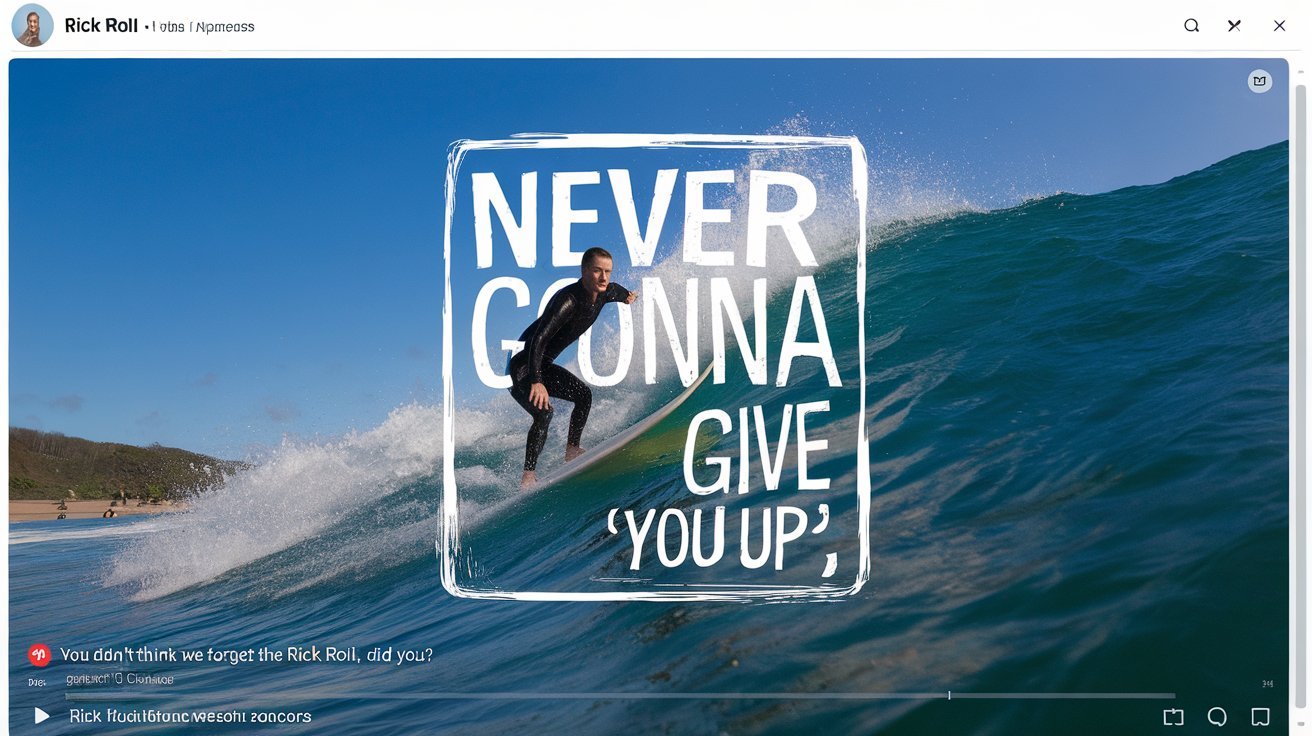
The YouTube Rick Roll is one of the most recognizable internet jokes of all time. What began as a simple online bait-and-switch eventually became a worldwide meme associated with Rick Astley’s 1987 hit “Never Gonna Give You Up.” The basic joke is simple: someone shares a link that appears to lead to something interesting or relevant, but clicking it unexpectedly opens Rick Astley’s music video instead. The person who falls for the trick has been “Rickrolled.”
Although the original song was released decades before YouTube became central to internet culture, the platform played an important role in transforming Rickrolling from a niche online prank into a globally recognized phenomenon. In 2026, the joke remains familiar across social media, websites, gaming communities, videos, live events, and online conversations. The official Rick Astley YouTube upload has also become a major part of the story, passing one billion views in 2021.
What Is a YouTube Rick Roll?
A Rick Roll is a form of digital bait-and-switch. A person is given a link with an appealing description, but the destination is actually the music video for “Never Gonna Give You Up.” The surprise is the essential part of the joke.
The term Rickrolling describes both the prank and the experience of being tricked by it. Someone might claim that a link contains a breaking news story, a new game trailer, a useful tutorial, a secret download, or another interesting video. Instead, the viewer encounters Rick Astley performing his famous song.
The prank works because the person clicking the link expects one thing and receives something completely different. It is generally intended as a lighthearted internet joke, although responsible users should still avoid disguising links to harmful, deceptive, or malicious websites.
The official YouTube video is particularly recognizable because of its distinctive 1980s presentation. The current official upload is a 4K remaster on Rick Astley’s official artist channel, and YouTube identifies the original song as a 1987 global hit that reached number one in numerous countries.
How Did Rickrolling Start?
The roots of Rickrolling go back to the early internet culture of 4chan and an earlier bait-and-switch joke called duckrolling. In that prank, users expected one type of content but were instead directed to an image of a duck with wheels.
Rickrolling emerged in May 2007. One of the earliest documented examples involved a link presented as a trailer for the highly anticipated video game Grand Theft Auto IV, but the destination instead led to Rick Astley’s “Never Gonna Give You Up.” Contemporary accounts identify a YouTube upload titled “Rickroll’D” associated with user Cotter548 on May 15, 2007.
The timing was significant. Internet users were extremely interested in the upcoming Grand Theft Auto game, making a fake trailer link an effective way to attract clicks. Once people understood the joke, they began repeating the format with other links and websites.
The prank spread beyond its original community and became increasingly associated with YouTube, where the music video was easy to share and embed.
Why Did the YouTube Rick Roll Become So Popular?
Several factors helped make the YouTube Rick Roll unusually durable. First, the joke is extremely simple. It does not require complicated software, a special skill, or an elaborate setup. A disguised link can be enough.
Second, the song itself is highly recognizable. “Never Gonna Give You Up” was already a major international pop hit when Rickrolling began. The official video describes the song as a global smash from July 1987, noting that it topped charts in 25 countries and later won the 1988 Brit Award for Best Single.
Third, the surprise is easy to understand. Even people unfamiliar with internet meme culture can recognize the humor when an apparently serious or exciting link suddenly produces an unmistakable 1980s music video.
The joke also benefited from the development of shortened and disguised URLs, social media sharing, forums, instant messaging, and embedded video. These technologies made it easier to hide the destination and encourage curiosity.
By 2008, Rickrolling had moved firmly into mainstream internet culture. YouTube itself famously incorporated the joke into its April Fools’ Day prank in 2008, directing featured-video links toward Rick Astley’s music video.
The Song Behind the Meme: Never Gonna Give You Up
Understanding the YouTube Rick Roll also requires understanding the original song. “Never Gonna Give You Up” was recorded by English singer Rick Astley and released in 1987. It was written and produced by the songwriting and production team of Stock Aitken Waterman.
The song became the lead single from Astley’s debut album, Whenever You Need Somebody. According to the official YouTube description, the album eventually sold more than 15 million copies worldwide, while the single became a major international success.
The original music video is now inseparable from internet culture. Its 1980s fashion, choreography, setting, and presentation became familiar to generations of internet users who discovered the song not necessarily through traditional radio or television, but through the Rickrolling meme.
Importantly, the meme did not create the song’s original success. The song was already a major hit. Instead, Rickrolling introduced it to a new generation and gave it a second cultural life.
Rickrolling on YouTube and Internet Culture
YouTube helped transform Rickrolling into more than a simple hyperlink prank. Users created reaction videos, remixes, parodies, lip-sync performances, compilations, and public Rickrolls. The concept could also be adapted to live events and other digital platforms.
Rick Astley eventually embraced the phenomenon. One of the best-known examples came in 2008, when he appeared unexpectedly during the Macy’s Thanksgiving Day Parade and performed “Never Gonna Give You Up.” The meme had effectively moved from the internet into mainstream entertainment.
The phenomenon has also demonstrated unusual longevity. While many internet memes disappear after a few months, Rickrolling continued through changing social platforms and online trends. It resurfaced repeatedly during the 2010s and 2020s, including through online communities, gaming, livestreams, social networks, and virtual events.
The official YouTube video reached one billion views in July 2021, an important milestone demonstrating the enormous long-term audience surrounding the song and meme.
Is Rickrolling Still Relevant in 2026?
In 2026, Rickrolling remains one of the internet’s most recognizable classic memes. Its continued survival comes partly from its simplicity. New internet users can understand the joke almost immediately, while older users recognize it as a reference to an earlier era of online culture.
The concept has also appeared in new forms. Instead of simply sharing a suspicious-looking link, creators can incorporate the surprise into QR codes, social media posts, gaming content, video descriptions, presentations, websites, and live performances. A 2026 YouTube discussion about the meme, for example, covered a recent QR-code-related Rickroll incident involving an educational context in India, showing that the format continues to appear in contemporary online culture.
However, modern internet users should distinguish between a harmless prank and unsafe links. A Rickroll should lead to legitimate content, not phishing pages, malware, deceptive downloads, or sites designed to steal information. The joke works best when the surprise is amusing rather than harmful.
How to Recognize and Avoid a Rick Roll
For people who do not want to be Rickrolled, checking the actual destination of a link is the simplest precaution. On many platforms, hovering over a link or examining its destination can reveal where it leads.
Shortened links deserve particular attention because they can conceal the final destination. When a link comes from an unfamiliar source, it is sensible to consider whether the destination is trustworthy before clicking.
At the same time, the famous Rick Astley video itself is not inherently dangerous. The official YouTube upload is simply the music video for “Never Gonna Give You Up.”
The continuing appeal of the joke comes from the fact that the viewer usually realizes what happened within seconds. Once the opening of the song begins, the surprise is already over—and the Rick Roll has succeeded.
Frequently Asked Questions About YouTube Rick Roll
What does YouTube Rick Roll mean?
A YouTube Rick Roll is an internet prank in which someone is unexpectedly directed to Rick Astley’s music video for “Never Gonna Give You Up” instead of the content they were expecting.
When did Rickrolling start?
The earliest widely documented Rickroll dates to May 2007, when a link associated with the Grand Theft Auto IV trailer instead directed users to Rick Astley’s music video.
Who is Rick Astley?
Rick Astley is an English singer whose 1987 single “Never Gonna Give You Up” became an international hit. Decades later, the song became the centerpiece of the Rickrolling internet meme.
Why is it called a Rick Roll?
The expression combines Rick Astley’s first name with the idea of a “roll,” referring to the bait-and-switch prank that sends someone unexpectedly to his music video.
Is Rickrolling still popular in 2026?
Yes. Although its peak mainstream popularity occurred years ago, Rickrolling remains a recognizable internet meme and continues to appear in videos, social media, online communities, public events, and other digital contexts.
How many views does the official Rick Roll video have?
The official 4K remastered YouTube upload had more than 1.8 billion views when checked in September 2026, according to YouTube’s displayed count.
Is Rickrolling harmful?
A normal Rickroll is generally a harmless bait-and-switch joke when it simply sends someone to the legitimate music video. Users should still be cautious with unknown or disguised links because malicious websites can use similar techniques for phishing or malware.
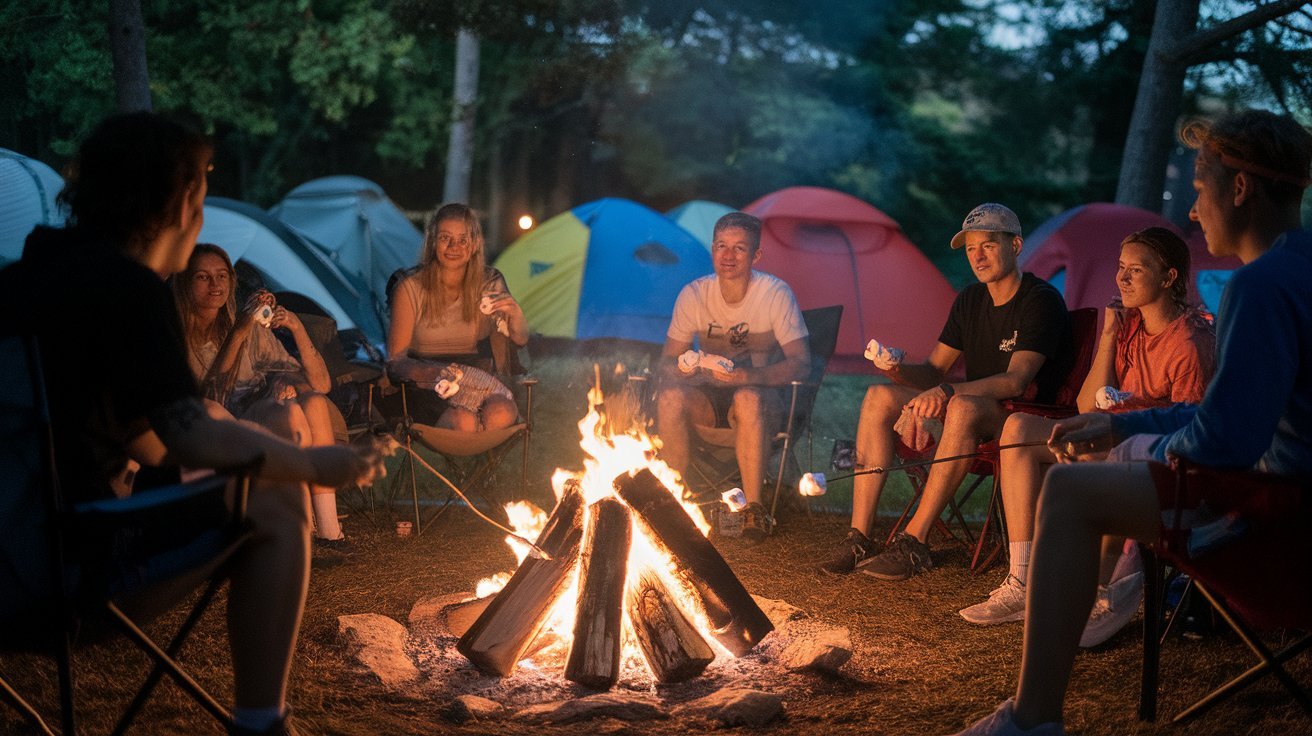
Camp Namanu is a historic summer camp located along the Sandy River near Sandy, Oregon, about an hour from Portland and near Mount Hood. Covering approximately 552 forested acres, Namanu combines outdoor recreation, youth programming, environmental learning, community events, and more than a century of camp history. In 2026, the camp continues to serve young people entering grades 2 through 12, while also hosting family programs, alumni events, service weekends, and other seasonal activities.
The name Namanu is pronounced “Nuh-MAH-NOO,” and the site has operated continuously as a youth camp since 1924. Its long history, extensive forested setting, and connection with Camp Fire Columbia have made it an important outdoor destination in the Portland region.
What Is Camp Namanu and Where Is It Located?
Camp Namanu is situated at 10300 SE Camp Namanu Road, Sandy, Oregon 97055, on the banks of the Sandy River and west of Mount Hood. The property covers roughly 552 acres of forest, giving campers access to a large natural environment for outdoor activities and exploration.
The location is particularly notable because of its combination of forests, river surroundings, wildlife, and proximity to the Portland metropolitan area. The Multnomah Education Service District describes the site as being above the Bull Run watershed, with lush forests and abundant wildlife. Its Outdoor School program has used the Camp Namanu property since 1999.
The camp is operated in connection with Camp Fire Columbia, which describes Namanu as one of the largest and oldest youth camps in the region. The organization uses the property for summer camp and additional year-round programs, allowing the site to remain active beyond the traditional summer season.
Camp Namanu History and Its Historic Significance
The history of Camp Namanu stretches back to 1924, when it was established as a Camp Fire Girls camp. Over the decades, it developed into one of the oldest and largest Camp Fire camps in the United States. Its history is closely connected to the development of outdoor education and youth camping in Oregon.
The property also has cultural significance. The Multnomah Education Service District notes that the land associated with the Namanu Outdoor School site is connected to the Chinook people and their historical territory. Recognizing the Indigenous history of the land is an important part of understanding the broader story of the location.
Namanu has also been associated with notable cultural figures. Children’s author Beverly Cleary wrote about her experiences as a Camp Fire Girl, including attending Camp Namanu. The camp later appeared in popular culture through the film Ramona and Beezus, in which the character Ramona is shown wearing a Camp Namanu shirt.
The camp was added to the National Register of Historic Places in 2024, further recognizing its historical importance. Several buildings at Namanu were designed by prominent Oregon architect Pietro Belluschi, adding architectural significance to the property.
Camp Namanu Summer Camp Programs in 2026
The main Camp Namanu summer program welcomes campers entering 2nd through 12th grade. According to Camp Fire Columbia, the program is designed around outdoor experiences that encourage young people to explore nature, develop confidence, build friendships, and take part in activities suited to their age and interests.
Activities can include hiking, swimming, arts and crafts, nature exploration, archery, overnight hikes, weaving, and high-ropes challenge courses. As campers grow older, additional activities and experiences become available. Campers are also encouraged to have a role in creating their weekly schedules by choosing activities that interest them.
The 2026 schedule includes full-week sessions as well as selected half-week options. The published family handbook lists sessions beginning June 28, 2026, followed by additional sessions through August 21, 2026. Some half-week sessions are available for specified camper groups.
A typical camp day combines structured activities with meals, rest periods, recreation, and group events. A sample schedule published by Camp Fire Columbia includes breakfast, morning activities, lunch, rest or pool time, afternoon activities, dinner, an all-camp activity, and bedtime.
Activities and Outdoor Experiences at Camp Namanu
One of the defining characteristics of Camp Namanu is its emphasis on outdoor learning. Rather than simply providing a place to stay during summer vacation, the program gives campers opportunities to interact directly with the natural environment.
Younger campers can participate in activities such as arts and crafts, swimming, hiking, nature exploration, and outdoor games. Older campers can gain access to more advanced experiences, including archery, overnight hiking, weaving, and high-ropes challenges.
The natural surroundings also make Namanu suitable for learning about forests, wildlife, plants, and outdoor responsibility. The camp’s extensive acreage provides room for campers to explore while participating in supervised activities.
This approach is consistent with Camp Fire Columbia’s broader goal of creating outdoor experiences that encourage young people to develop confidence and become active members of their communities.
Family Camp, Alumni Events, and Year-Round Programs
Camp Namanu is not limited to traditional youth summer sessions. Family Camp provides families with an opportunity to experience the property together. Camp Fire Columbia describes Family Camp as a way for adults to join campers in the woods and for families with younger children to become familiar with Namanu.
The property also hosts Friends of Namanu, service weekends, open houses, and other seasonal activities. In 2026, Camp Fire Columbia lists a Friends of Namanu Reunion Weekend for September 10–13, giving alumni and former camp community members an opportunity to reconnect.
Another new 2026 offering is Mushroom Camp, scheduled for November 13–15. The program includes mushroom identification and foraging education, cooking-related activities, mushroom trivia, and instruction involving mushroom and lichen dyes.
These programs demonstrate how Namanu functions as a year-round community property rather than simply a summer destination.
How to Register for Camp Namanu in 2026
Families interested in Camp Namanu summer camp 2026 can use the official Camp Fire Columbia website for registration information, session details, family resources, and current policies. The organization provides a 2026 Family Handbook, registration instructions, session pricing and dates, cancellation information, unit descriptions, financial-assistance information, teen leadership opportunities, and frequently asked questions.
Because dates, availability, pricing, and program details can change, families should check the official information before making travel arrangements or purchasing supplies.
The camp’s official address is 10300 SE Camp Namanu Rd., Sandy, OR 97055, and Camp Fire Columbia lists 503-695-6041 as the camp telephone number.
The independent Camp Namanu nonprofit also maintains information about preserving and sustainably managing the property’s 552 forested acres and its historical and cultural significance.
Camp Namanu Frequently Asked Questions
Where is Camp Namanu located?
Camp Namanu is located at 10300 SE Camp Namanu Rd., Sandy, Oregon 97055, along the Sandy River near Mount Hood.
How old is Camp Namanu?
Camp Namanu was founded in 1924, giving it more than a century of operating history.
What grades can attend Camp Namanu?
The 2026 summer program welcomes campers entering 2nd through 12th grade.
What activities are available?
Activities include hiking, swimming, arts and crafts, nature exploration, archery, overnight hikes, weaving, and high-ropes challenges, with activities varying according to age and program.
Does Camp Namanu offer family programs?
Yes. Family Camp allows families to participate in the camp experience together, while other year-round programs serve alumni and the wider community.
Is Camp Namanu historically significant?
Yes. The camp dates to 1924, has connections to Camp Fire’s history, includes buildings associated with architect Pietro Belluschi, and was listed on the National Register of Historic Places in 2024.
Are there Camp Namanu programs outside summer?
Yes. In 2026, programs include Friends of Namanu Reunion Weekend, service opportunities, and Mushroom Camp, in addition to family-oriented activities.
Conclusion
Camp Namanu represents a combination of outdoor recreation, youth development, environmental exploration, and Oregon history. Located on more than 550 acres along the Sandy River, the camp has provided outdoor experiences since 1924 and continues to welcome young people entering grades 2 through 12.
The 2026 Camp Namanu program offers activities ranging from hiking and swimming to arts, nature exploration, archery, overnight experiences, and high-ropes challenges. Families can also participate in dedicated programs, while alumni and community members can attend year-round events such as Friends of Namanu weekend and Mushroom Camp.
For families researching Camp Namanu in 2026, the official Camp Fire Columbia resources are the best place to verify current session dates, registration requirements, prices, financial assistance, policies, and program availability before planning a visit.
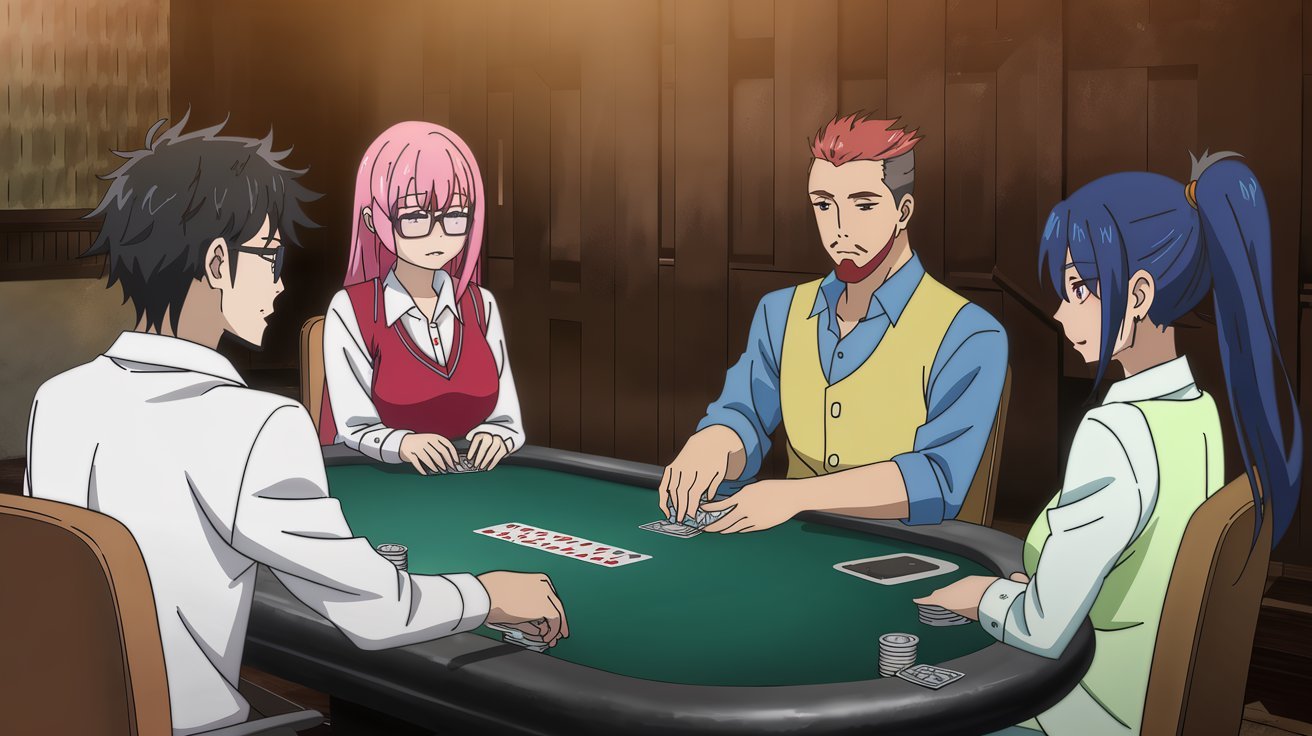
The phrase “manga strip poker video” combines several familiar ideas: manga-inspired artwork, the classic card game of poker, and an adult-oriented entertainment format. Because the term can refer to very different kinds of media, understanding what viewers are actually searching for is important. Some results may involve playful manga-style storytelling, animated card-game scenes, parody content, or mature material featuring fictional characters.
We can approach the subject from a media, cultural, and entertainment perspective, focusing on how manga-inspired visual storytelling uses poker, competition, humor, character interaction, and escalating challenges as narrative devices. This also helps distinguish ordinary manga-inspired card-game content from material intended exclusively for adults.
What Does “Manga Strip Poker Video” Mean?
A manga strip poker video generally describes video content inspired by Japanese manga aesthetics in which characters participate in a variation of strip poker or a similar fictional card-game scenario. The concept combines the visual language of manga with the familiar rules and psychology of poker.
Traditional poker is built around cards, probability, bluffing, risk assessment, and competition. In fictional adaptations, creators may add exaggerated character reactions, comedy, dramatic reveals, or fantasy settings. Manga-style artwork is particularly suitable for this because facial expressions, visual effects, speech bubbles, and dramatic framing can make a simple card game feel much more theatrical.
The word “manga” does not automatically mean that a particular video is Japanese or officially connected to a published manga series. Online creators frequently use manga-inspired artwork to describe an art style, while unrelated fan-made, independent, or animated productions may use similar visual conventions.
How Manga-Style Poker Stories Work
A strong manga-inspired poker story usually depends more on character dynamics and suspense than on the cards themselves. Characters may have different personalities, strategies, and motivations, creating a competitive situation that gives the viewer a reason to continue watching.
Poker provides several useful storytelling mechanisms. A confident character might attempt a bluff, while another character carefully studies the situation. A surprising card can suddenly change the balance of the game. Manga-style presentation can amplify these moments through dramatic close-ups, exaggerated expressions, action lines, and stylized transitions.
In this type of fictional entertainment, the card game can therefore function as a storytelling framework. The focus may be comedy, rivalry, parody, fantasy, or mature entertainment depending on the production.
Manga Aesthetics and Visual Storytelling
One of the defining characteristics of manga-inspired video content is its visual presentation. Traditional manga frequently uses high-contrast compositions, expressive faces, distinctive character designs, speed lines, panel-like framing, and dramatic visual symbols.
When these characteristics are transferred into video, creators can combine still illustrations with animation, camera movement, sound effects, dialogue, and transitions. The result can resemble an animated manga or motion comic rather than conventional animation.
For viewers interested in the artistic side of the genre, details such as character design, panel composition, background treatment, typography, and facial expression can be more significant than the underlying premise. These techniques demonstrate how static manga conventions can be adapted for a moving-image format.
The Role of Poker in Fictional Entertainment
Poker has long been used in movies, comics, games, and television because it naturally creates suspense. Players must make decisions with incomplete information, and viewers can speculate about who has the strongest hand.
A manga-inspired poker scenario can exaggerate those elements. A character might appear completely confident despite holding weak cards, while another quietly recognizes an opportunity. This creates a familiar narrative structure:
- The game begins and the characters establish their personalities.
- The stakes increase as players make increasingly difficult decisions.
- Bluffing and deduction create uncertainty.
- A reversal changes the apparent winner.
- The final hand resolves the central competition.
When mature themes are included, the content becomes more appropriate for adult audiences, and viewers should pay attention to platform age ratings and applicable content warnings.
Finding Safe and Legitimate Manga-Inspired Videos
Search results for adult-themed phrases can vary substantially in quality and reliability. Some pages may contain misleading titles, aggressive advertisements, unauthorized uploads, or questionable downloads. We should therefore prioritize reputable platforms and legitimate creators rather than clicking unknown links simply because they contain a desired keyword.
It is also useful to distinguish between official productions, licensed material, independent animation, fan creations, and reposted content. A recognizable manga character does not necessarily mean that the associated video has been authorized by the copyright holder.
For younger audiences, parental controls and age-appropriate search settings are especially important. Mature entertainment should remain restricted to adults, and platforms should be used according to their published age requirements.
Copyright, Characters, and Fan-Created Content
Manga characters, artwork, logos, and story elements can be protected by copyright and trademark law. A video that uses recognizable characters may be an authorized adaptation, a fan project, a parody, or an unauthorized reproduction.
This distinction matters when evaluating online material. Legitimate creators generally provide clearer information about the source of their characters and artwork. Where possible, viewers should support official publishers, licensed distributors, and original artists.
Creators producing manga-inspired videos should likewise be careful about using another artist’s illustrations, character designs, music, or animation without permission. Creating original characters and artwork is often the safest approach for independent productions.
Why the Search Term Can Be Ambiguous
The keyword “manga strip poker video” can describe several different types of searches. Someone may be looking for a specific animated production, a manga-style illustration, information about a card-game scene, or mature fictional entertainment.
Because search intent is broad, the most useful approach is to examine the context surrounding the term. If the interest is artistic, manga animation and motion-comic techniques may be relevant. If the interest is gaming, traditional poker rules and fictional card-game mechanics may be more useful. If the interest involves mature content, age restrictions and responsible browsing become essential considerations.
Understanding this ambiguity also helps avoid confusing unrelated material with the exact content being sought.
Frequently Asked Questions
What is a manga strip poker video?
A manga strip poker video is generally a manga-inspired fictional video involving a poker or card-game scenario with mature or suggestive themes. The exact format varies between productions.
Is manga strip poker the same as regular poker?
No. Regular poker is a competitive card game governed by established rules, while a fictional strip-poker scenario adds a narrative or entertainment element that is not part of standard poker.
Is manga strip poker content suitable for children?
Mature versions are not intended for children. Viewers should check age ratings, descriptions, and platform restrictions before accessing content.
Does “manga” mean the video is officially Japanese?
Not necessarily. “Manga” can describe an artistic style rather than the origin or licensing status of a production.
How can viewers identify legitimate content?
Look for official publishers, recognized platforms, licensed distributors, and clearly identified creators. Avoid suspicious downloads, misleading pages, and unauthorized copies.
Can creators make their own manga-inspired poker videos?
Yes. Creators can develop original characters, artwork, dialogue, and animation. They should ensure that any third-party material they use is properly licensed or otherwise legally permitted.
Conclusion
The manga strip poker video keyword sits at the intersection of manga-inspired visual culture, poker-based storytelling, animation, and mature entertainment. Its meaning can vary considerably depending on the creator and platform. At its most basic level, the concept uses the familiar tension of a card game and combines it with expressive manga aesthetics and fictional character interactions.
For viewers, the best experience comes from understanding the type of material being presented, respecting age restrictions, choosing legitimate sources, and recognizing the difference between official and fan-created works. For creators, original artwork, responsible presentation, clear labeling, and respect for intellectual-property rights provide a stronger foundation for producing manga-inspired entertainment.
By viewing the subject through the broader lens of manga art, poker storytelling, digital animation, and responsible online media consumption, we can better understand why this unusual combination continues to attract attention across different forms of online entertainment.


 Celebrity4 months ago
Who Is Richard Skelton Jr? The Heartbreaking Story of Red Skelton’s Son
- Celebrity5 months ago
Who Is Susan Cohan? The Untold Story of Lauren Cohan’s Mother
- Celebrity4 months ago
Mark Zettel: A Comprehensive Biography, Career Journey, Family Life, and Lasting Legacy
- Business4 months ago
IndexSP: .INX – Complete Guide to the S&P 500 Index, Market Performance, and Investment Insights (2026)
- Business4 months ago
Travel Tweaks Offers: The Complete 2026 Guide to Smarter Travel Savings and Better Experiences
- Tech4 months ago
Get in Touch on TurboGeek.org: The Complete 2026 Guide to Contacting TurboGeek Support, Community, and Editorial Team
- Sports5 months ago
Fife Jammers Today Explained: History, Music, and Community Traditions
- Business4 months ago
Latest News MyGreenBucks.net (2026): Complete Guide to Updates, Features, Financial Insights, and What Users Should Know