
Blog
How Big Is 2 Inches? A Complete Measurement Guide for 2026

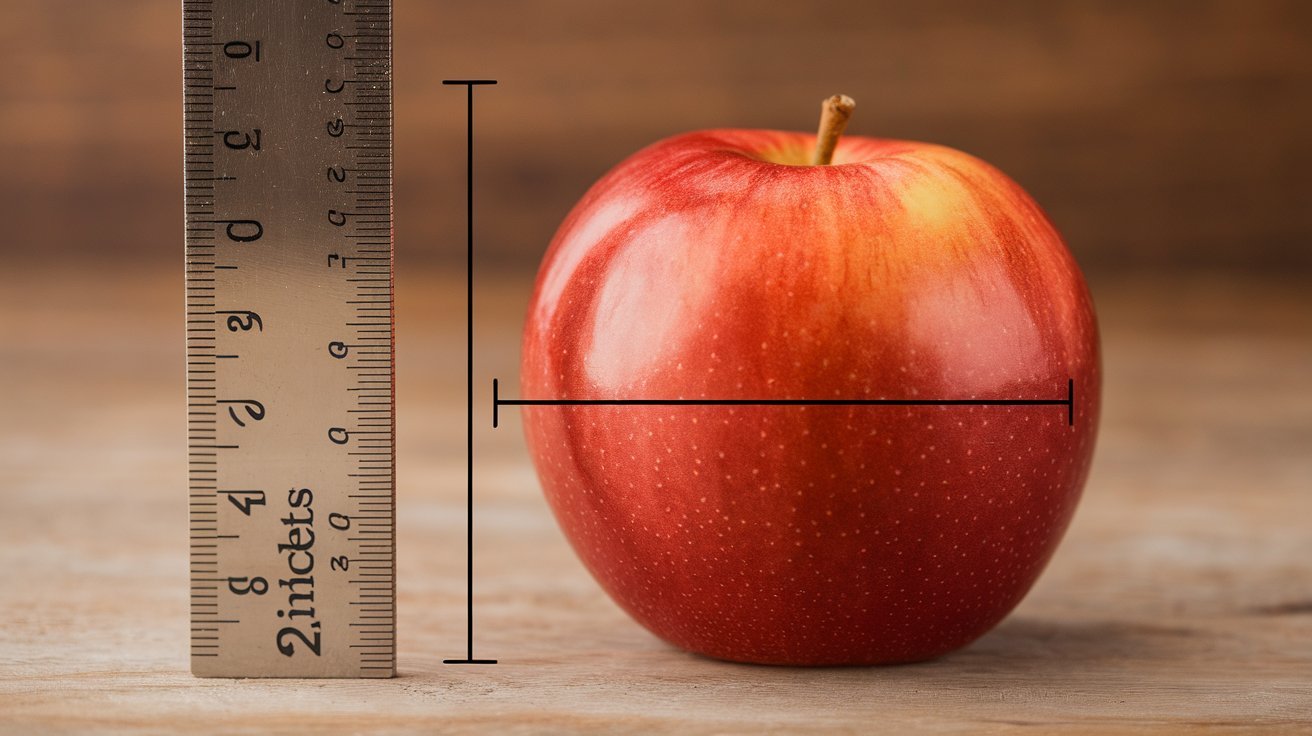
When we ask “how big is 2 inches?”, we are usually looking for an easy way to picture this relatively small measurement. Two inches is short enough to fit comfortably across many small objects, yet it is large enough to make a noticeable difference in crafts, product dimensions, jewelry, tools, electronics, and everyday measurements.
The exact answer is simple: 2 inches equals 5.08 centimeters, or 50.8 millimeters. It is also one-sixth of a foot and approximately 0.1667 feet. Because the international inch is defined as exactly 25.4 millimeters, these conversions are precise rather than estimates.
Understanding how large 2 inches is becomes especially useful when we are shopping online, measuring household objects, reading product specifications, working on DIY projects, or converting measurements between inches and centimeters.
How Big Is 2 Inches Exactly?
2 inches is exactly 5.08 centimeters long. The conversion is based on the standard relationship:
1 inch = 2.54 centimeters
Therefore:
2 × 2.54 = 5.08 centimeters
In millimeters, the calculation is:
2 × 25.4 = 50.8 millimeters
So, the most important conversions are:
| Measurement | 2 Inches Equals |
|---|---|
| Centimeters | 5.08 cm |
| Millimeters | 50.8 mm |
| Meters | 0.0508 m |
| Feet | 0.1667 ft |
| Yards | 0.0556 yd |
For everyday purposes, we can remember that 2 inches is about 5 centimeters. If precision matters, however, the correct measurement is 5.08 cm.
What Does 2 Inches Look Like?
Numbers are not always easy to visualize, so comparing 2 inches with familiar objects can make the measurement much clearer.
The easiest reference is an ordinary ruler. On an inch ruler, the distance from the 0-inch mark to the 2-inch mark is exactly two inches. On a metric ruler, that same distance is just over five centimeters.
Two inches is also exactly four half-inches. On a ruler divided into smaller fractions, we can count four ½-inch intervals to reach the two-inch mark.
For a rough visual estimate, 2 inches is a little shorter than the width of many small smartphone accessories and approximately the length of some small household components. However, everyday objects vary, so they should not be treated as exact measuring tools.
If we need to visualize the measurement without a ruler, imagining a length of about 5 centimeters is generally the easiest approach. Five centimeters is a compact distance that can fit comfortably within the palm of most adults.
What Common Objects Are About 2 Inches?
Several small objects can help us develop an intuitive understanding of how big 2 inches is, although their actual measurements can vary.
Some buttons, small craft materials, decorative pieces, clips, beads, and hardware components may measure approximately two inches. Certain jewelry pieces and accessories may also have dimensions around this size.
Two inches can also describe the diameter of a circular object. For example, a round component with a two-inch diameter would measure exactly 5.08 centimeters from one edge through the center to the opposite edge.
This distinction is important because “2 inches” does not automatically tell us the shape of an object. A product may be 2 inches long, 2 inches wide, 2 inches tall, or 2 inches in diameter. Therefore, when reading product specifications, we should always check which dimension the number represents.
We should also avoid assuming that a familiar object has an exact two-inch measurement simply because it looks similar. A ruler or measuring tape provides a much more reliable reference.
2 Inches Compared With 1 Inch, 3 Inches, and 5 Inches
One of the best ways to understand 2 inches is to compare it with nearby measurements.
Two inches is exactly twice as long as 1 inch. Since one inch equals 2.54 centimeters, two inches equals 5.08 centimeters.
Compared with 3 inches, two inches is one inch shorter. Three inches equals 7.62 centimeters, so the difference between the two measurements is 2.54 centimeters.
Compared with 5 inches, two inches is substantially shorter. Five inches equals 12.7 centimeters, meaning 2 inches is only 40% of a 5-inch length.
A standard foot contains 12 inches, so two inches represents one-sixth of a foot. This makes it much easier to understand when placed against a 12-inch ruler: two inches occupies only a small portion of the ruler’s total length.
These comparisons show that 2 inches is a small measurement, but it is still large enough to be significant when working with small components or precise dimensions.
How Many Centimeters and Millimeters Are 2 Inches?
The metric conversions for two inches are particularly useful because many countries primarily use centimeters and millimeters.
2 inches = 5.08 centimeters
2 inches = 50.8 millimeters
If we round the measurement for casual use, we can say that two inches is approximately 5.1 centimeters. For rough estimates, even “about 5 centimeters” may be sufficient.
However, precision is important in situations such as engineering, manufacturing, jewelry making, woodworking, sewing, construction, and product fitting. In these cases, we should use the exact value of 5.08 centimeters rather than rounding.
The reverse conversion works in exactly the same way. If we have a measurement of 5.08 centimeters and want to convert it into inches:
5.08 ÷ 2.54 = 2 inches
This makes the relationship easy to remember and use.
Where Is a 2-Inch Measurement Commonly Used?
The 2-inch measurement appears in many different contexts. In crafts, small components may be sold in two-inch sizes. In hardware, fasteners, fittings, and other parts can be described using inches. In home improvement, two-inch dimensions can refer to thickness, width, diameter, or length depending on the material.
Jewelry and accessories can also use two-inch measurements, particularly when describing pendants, decorative pieces, clips, or other components.
In technology, a two-inch measurement might refer to a small component or physical dimension. It should not be confused with screen sizes, where measurements are usually expressed diagonally.
For online shopping, understanding 2 inches in centimeters can help us determine whether a product will fit into a particular space. This is especially helpful when product descriptions use imperial measurements but we normally think in metric units.
The context always matters. A product measuring 2 inches in length is very different from one measuring 2 inches in diameter or thickness. Checking the complete dimensions before purchasing is therefore essential.
How to Measure 2 Inches Accurately
The most reliable way to measure 2 inches is with a ruler or measuring tape that has inch markings. Place one end of the object at the zero mark and measure to the 2-inch line.
If we only have a metric ruler, measure 5.08 centimeters. For an approximate measurement, 5 centimeters is close enough for many everyday situations.
When measuring an object, we should first identify exactly what needs to be measured. Is it the length, width, height, diameter, radius, or diagonal? This prevents confusion and produces a more useful measurement.
For example, a circular object with a 2-inch diameter has a radius of 1 inch, while an object that is 2 inches long may have completely different width and height dimensions.
For professional or precision applications, a calibrated ruler, measuring tape, caliper, or other appropriate measuring instrument should be used rather than estimating by sight.
Conclusion: How Big Is 2 Inches?
So, how big is 2 inches? The exact measurement is 5.08 centimeters or 50.8 millimeters. It is twice the length of one inch, one-sixth of a foot, and considerably shorter than measurements such as five inches.
For quick visualization, we can think of 2 inches as approximately 5 centimeters. A ruler provides the easiest exact reference, while small everyday objects can offer a rough visual comparison.
Understanding this measurement is useful when dealing with product dimensions, crafts, jewelry, hardware, DIY projects, electronics, packaging, and household items. The most important conversion to remember is simple:
2 inches = 5.08 cm = 50.8 mm
Frequently Asked Questions About 2 Inches
How many centimeters are in 2 inches?
2 inches equals exactly 5.08 centimeters. For casual estimates, it can be rounded to approximately 5 centimeters.
How many millimeters are 2 inches?
2 inches equals 50.8 millimeters because one inch is exactly 25.4 millimeters.
Is 2 inches the same as 5 centimeters?
Not exactly. 2 inches is 5.08 centimeters, which is only slightly longer than 5 centimeters.
How much of a foot is 2 inches?
Two inches equals 1/6 of a foot, or approximately 0.1667 feet, because a foot contains 12 inches.
What does 2 inches look like?
Two inches is approximately 5 centimeters long. A ruler marked in inches provides the simplest way to visualize and measure it accurately.
Can we measure 2 inches with a centimeter ruler?
Yes. Since 2 inches equals 5.08 centimeters, we can measure from zero to the 5.08-centimeter point on a metric ruler.
Why can “2 inches” mean different things for different products?
Because the measurement may describe length, width, height, diameter, or another dimension. Product specifications should always be checked carefully to understand exactly what the two-inch measurement represents.

Fall Creek Falls is one of the most impressive natural attractions in Tennessee, attracting visitors with its towering waterfall, forested landscapes, dramatic rock formations, and outdoor adventures. Located inside Fall Creek Falls State Park, this destination offers opportunities for hiking, camping, photography, fishing, picnicking, and relaxing in nature. Whether you are planning a family vacation, a weekend road trip, or a day outdoors, Fall Creek Falls provides plenty of ways to experience the beauty of the Cumberland Plateau.
The park is particularly famous for Fall Creek Falls, a 256-foot waterfall that plunges into a shaded gorge. Other attractions include Cane Creek Falls, Cane Creek Cascades, scenic overlooks, wooded trails, and Fall Creek Falls Lake. With accommodations ranging from campsites to cabins and a lodge, visitors can plan anything from a short visit to a longer outdoor getaway.
What Is Fall Creek Falls Known For?
Fall Creek Falls State Park is located in Bledsoe and Van Buren counties in Tennessee, near the communities of Spencer and Pikeville. Covering nearly 30,000 acres, the park is known for its waterfalls, deep gorges, streams, hardwood forests, and extensive recreational facilities.
Its most famous attraction is Fall Creek Falls, which drops approximately 256 feet and is widely recognized as one of the tallest waterfalls in the eastern United States. The surrounding landscape features steep rock walls, shaded woodland, and viewpoints that allow visitors to appreciate the waterfall from different perspectives.
The park also protects a variety of natural habitats. Its forests include oak, hickory, tulip poplar, beech, and other native trees, while the streams and woodland areas support diverse wildlife. Depending on the season, visitors may encounter birds, butterflies, deer, and other animals.
For many travelers, the appeal of Fall Creek Falls lies in its combination of dramatic scenery and accessible recreation. Visitors can enjoy a scenic overlook without undertaking a demanding hike, while experienced hikers can explore longer routes through the park.
Best Waterfalls and Scenic Attractions at Fall Creek Falls
The main waterfall is the highlight for many visitors, but Fall Creek Falls State Park has several other scenic features worth exploring.
Fall Creek Falls offers a memorable view of water plunging into the gorge below. The overlook is a convenient starting point for first-time visitors, photographers, and families who want to experience the landscape without committing to a long trail. Conditions around waterfalls can change with rainfall, so the volume of water may vary throughout the year.
Cane Creek Falls is another popular attraction, surrounded by rocky terrain and forest scenery. Nearby, Cane Creek Cascades provides a different experience, with flowing water moving across a series of natural rock formations. Piney Falls is also known for its striking setting, although access to individual trails can change because of maintenance or storm damage.
The park’s overlooks and lake areas offer additional opportunities for photographs, peaceful walks, and nature observation. Autumn brings colorful foliage, spring often produces fresh greenery and flowing streams, and summer provides a lush woodland setting.
Visitors should check current trail conditions before traveling. Official Tennessee State Parks information lists the Piney Falls Trail between the Fall Creek Falls and Piney Falls parking areas as closed following tornado damage in August 2023. The Millikan’s Overlook Trail is also listed as closed, although the overlook itself remains open. These restrictions should be verified before your visit because park conditions can change.
Hiking Trails and Outdoor Activities
Hiking is one of the most popular activities at Fall Creek Falls. The park has more than 56 miles of trails, with routes ranging from relatively easy walks to more demanding hikes involving elevation changes, rocky ground, and steep sections.
Shorter walks and overlooks are suitable for visitors who want to enjoy the scenery at a relaxed pace. Longer trails offer opportunities to explore the forest, streams, and gorge environments in greater detail. Before choosing a route, consider its distance, difficulty, surface conditions, and whether it includes steep descents or exposed rock.
Beyond hiking, visitors can enjoy several other outdoor activities:
- Photography: Capture waterfalls, woodland scenery, seasonal foliage, and dramatic rock formations.
- Fishing: Explore permitted fishing areas and check current Tennessee fishing regulations before casting a line.
- Boating: Depending on current operations, visitors may find boat rentals or other lake activities available.
- Picnicking: Use designated picnic areas for a family lunch or a relaxing break.
- Nature programs: Look for educational activities and ranger-led programs when offered.
- Golf and recreation: Check the park’s current facilities and operating schedules before planning specific activities.
Safety is essential around waterfalls and gorges. Stay on marked trails, obey closure signs, wear suitable footwear, and avoid climbing over barriers for photographs. Rocks near moving water can be slippery, and sudden changes in terrain can create serious hazards.
Camping, Cabins, and Places to Stay
Fall Creek Falls is suitable for both day trips and overnight stays. Visitors can choose from traditional camping, backcountry camping where permitted, cabins, and lodging at The Lodge at Fall Creek Falls.
The park offers more than 200 campsites across several campground areas. Depending on the site, facilities may include water and electrical hookups, picnic tables, grills, and access to shared bathhouses. Backcountry camping is also available under park rules and permit requirements.
Camping is a good option for visitors who want to spend more time outdoors and enjoy the park during quieter periods. However, reservations are recommended during popular weekends and holiday periods. Review campsite restrictions, occupancy limits, check-in times, and fire rules before arrival.
Cabins provide a more comfortable alternative for families and groups who prefer indoor accommodation. The lodge offers another option for visitors seeking hotel-style rooms and convenient access to the park’s recreational facilities.
When booking, compare the location, available amenities, accessibility features, cancellation policies, and total cost. Guests who need accessible accommodations should request them directly during the reservation process because accessible rooms and campsites are limited.
Official Tennessee State Parks information lists the visitor center at 2009 Village Camp Road, Spencer, Tennessee 38585. The park’s published contact number is 423-881-5298. Check the official website for current accommodation details and reservations.
Best Time to Visit Fall Creek Falls in 2026
Fall Creek Falls can be visited throughout the year, but the best time depends on your interests and preferred weather.
Spring brings fresh vegetation, comfortable hiking conditions on many days, and opportunities to see waterfalls after rainfall. Trails can be muddy, so sturdy shoes are useful.
Summer is popular for family vacations, camping, and outdoor recreation. Temperatures can be hot and humid, so carry drinking water, wear sun protection, and begin longer hikes early in the day. Accommodation and campsite demand may be high during school holidays.
Fall is especially appealing to photographers and visitors who enjoy colorful leaves. Cooler temperatures can make hiking more comfortable, although peak foliage timing varies each year.
Winter offers a quieter atmosphere and different views of the park’s landscape. Some trails may be wet, icy, or more difficult to navigate, and certain facilities or services may operate on reduced schedules.
Tennessee State Parks generally does not charge an entrance fee for state park access, but visitors should confirm whether a particular activity, reservation, rental, or accommodation carries a separate charge. Before setting out, check official park alerts for closures, weather-related hazards, and facility updates.
Frequently Asked Questions About Fall Creek Falls
Where is Fall Creek Falls located?
Fall Creek Falls State Park is in central Tennessee, on the Cumberland Plateau, near Spencer and Pikeville. Visitors can access the park through routes connected to Tennessee Highways 111 and 30.
How tall is Fall Creek Falls?
The main waterfall is approximately 256 feet tall, making it one of the tallest waterfalls in the eastern United States.
Is Fall Creek Falls suitable for families?
Yes. Families can enjoy scenic overlooks, picnic areas, nature activities, and selected walking routes. Choose trails according to the abilities of everyone in your group and supervise children near cliffs, streams, and waterfall viewpoints.
Can you camp at Fall Creek Falls State Park?
Yes. The park offers developed campsites and permitted backcountry camping, along with cabin and lodge accommodations. Reservations and availability depend on dates and accommodation type.
Is there an entrance fee for Fall Creek Falls?
Tennessee State Parks generally provides free park access, but camping, lodging, rentals, and certain activities may cost extra. Confirm the current policies before visiting.
What should I bring to Fall Creek Falls?
Bring drinking water, comfortable hiking shoes, weather-appropriate clothing, sun protection, snacks, and a charged phone. For longer hikes, carry a map and basic safety supplies, and check weather conditions and trail alerts beforehand.
Conclusion
Fall Creek Falls is an outstanding destination for anyone who wants to explore Tennessee’s natural beauty in 2026. Its 256-foot waterfall, scenic gorges, hiking trails, lake, and overnight accommodation options make it appealing to families, photographers, campers, and outdoor enthusiasts.
For the best experience, choose activities that match your fitness level, reserve accommodation early, and verify current trail conditions before traveling. Respecting park rules and staying on designated routes will help protect both visitors and the natural environment. With thoughtful planning, a visit to Fall Creek Falls State Park can become a memorable outdoor adventure.

The 2026 Genesis GV60 is a luxury all-electric SUV that combines distinctive design, responsive performance, advanced technology, and everyday practicality. As one of Genesis’s dedicated electric vehicles, the GV60 offers a premium alternative to traditional gasoline-powered luxury SUVs and competes with electric models from brands such as BMW, Mercedes-Benz, and Audi.
For 2026, the GV60 features a refreshed exterior, an upscale cabin, a large OLED display, and several powertrain choices. Buyers can select rear-wheel drive for efficiency or all-wheel drive for additional traction and power. The range-topping Performance AWD model delivers significantly stronger acceleration for drivers who want a sportier electric SUV.
With an EPA-estimated driving range of up to 306 miles in the United States, ultra-fast charging capability, and premium comfort features, the 2026 Genesis GV60 deserves consideration from shoppers seeking a refined electric vehicle. Here’s a detailed look at its price, specifications, range, charging, interior, safety, and trim levels.
What Is New in the 2026 Genesis GV60?
The 2026 Genesis GV60 carries forward the updated design introduced for the refreshed model. Genesis revealed the redesign in January 2025, bringing a more sculpted front bumper, distinctive two-line headlights with Micro Lens Array (MLA) technology, and revised wheel designs. These changes give the SUV a more modern appearance while maintaining its recognizable coupe-inspired silhouette.
Inside, the GV60 features a prominent 27-inch OLED display that integrates the instrument cluster and infotainment system into one wide screen. The cabin retains the distinctive Crystal Sphere electronic gear selector, which rotates to reveal the shift control when the vehicle is ready to drive.
The 2026 lineup in the United States includes four configurations: RWD, AWD, Advanced AWD, and Performance AWD. Each version targets a different type of buyer, from those prioritizing driving range to those seeking luxury equipment or high performance.
Genesis also emphasizes connectivity, driver assistance, and convenient charging. However, equipment can differ by trim and market, so buyers should verify specifications with their local Genesis retailer before purchasing.
2026 Genesis GV60 Price and Trim Levels
The official U.S. starting prices for the 2026 Genesis GV60 vary according to the selected powertrain and equipment. The published starting MSRP figures below exclude applicable taxes, registration, dealer charges, and optional extras.
| Trim | Starting MSRP (U.S.) | Horsepower | EPA-estimated range |
|---|---|---|---|
| GV60 RWD | $52,525 | 225 hp | Up to 306 miles |
| GV60 AWD | $56,025 | 314 hp | Up to 282 miles |
| GV60 Advanced AWD | $59,405 | 314 hp | Up to 267 miles |
| GV60 Performance AWD | $71,875 | 429 hp | Up to 252 miles |
GV60 RWD: The entry-level version uses a single rear electric motor. It offers the longest estimated range in the lineup and is a practical option for drivers who primarily travel on paved roads and want a premium electric SUV.
GV60 AWD: Dual electric motors provide additional power and all-wheel-drive traction. This configuration may appeal to drivers who frequently encounter wet roads or want stronger acceleration.
GV60 Advanced AWD: This trim adds selected luxury and convenience equipment, including leather seating surfaces, 20-inch alloy wheels, and a Surround View Monitor with Blind-Spot View Monitor.
GV60 Performance AWD: The performance-focused model produces 429 horsepower, with output increasing to 483 horsepower when Boost Mode is activated. It also adds 21-inch wheels, premium Nappa leather seating, and Bang & Olufsen audio.
Prices and equipment can change, and the final transaction price may differ from MSRP. Always check the latest official pricing and available incentives before placing an order.
Electric Motor, Performance, and Driving Range
The Genesis GV60 electric powertrain offers different combinations of efficiency and performance. The rear-wheel-drive model produces 225 horsepower and 258 lb-ft of torque, making it suitable for daily commuting and highway travel.
The dual-motor AWD versions produce 314 horsepower and 446 lb-ft of torque. The extra traction can be useful when accelerating on slippery surfaces, while the immediate response typical of electric motors makes the vehicle feel lively in everyday driving.
For enthusiasts, the Performance AWD model delivers 429 horsepower and 516 lb-ft of torque, rising to 483 horsepower with Boost Mode. Genesis advertises a 0–60 mph time of approximately four seconds when Boost Mode is used.
The 2026 GV60 uses an 84-kWh long-range battery and an advanced 800-volt electrical architecture. Depending on trim, the EPA-estimated driving range reaches 306 miles. The AWD and Performance versions have lower estimates because of their different powertrains, wheels, tires, and equipment.
Actual range depends on temperature, speed, driving style, road conditions, climate-control use, and battery condition. Highway driving in cold weather can reduce range, so long-distance travelers should plan charging stops accordingly.
Charging, Battery Technology, and Everyday Convenience
Charging capability is one of the GV60’s major advantages. When connected to a compatible 350-kW DC ultra-fast charger, the vehicle can charge from 10% to 80% in as little as 18 minutes, under suitable conditions. The actual charging time depends on battery temperature, charger output, charging conditions, and the vehicle’s state of charge.
For daily use, many owners will find home charging more convenient than relying on public stations. A properly installed Level 2 home charger can replenish the battery overnight, depending on available electrical power and the amount of energy used.
The GV60 also supports access to an expanding U.S. public charging network, including Tesla Superchargers where compatible access and the appropriate connector or adapter are available. Drivers should confirm station compatibility and access requirements before traveling.
Available Vehicle-to-Load (V2L) functionality allows the vehicle’s battery to supply power to compatible external devices using the appropriate equipment. This can be useful for camping, outdoor activities, or powering small electrical items.
As with any electric vehicle, charging availability matters. Buyers without reliable home or workplace charging should consider their local public charging network before choosing an EV.
Interior Design, Comfort, and Technology
The 2026 Genesis GV60 interior combines contemporary technology with premium materials and a distinctive design. The wide 27-inch OLED display presents driving information and infotainment features in a unified interface, while the dashboard maintains a clean, uncluttered appearance.
The signature Crystal Sphere is one of the cabin’s most recognizable features. When the vehicle is off, it appears as a decorative illuminated sphere; when the vehicle is ready to drive, it rotates to reveal the electronic gear selector.
Depending on the trim, equipment can include heated front seats, leather or premium Nappa leather upholstery, ventilated seating, customizable ambient lighting, a panoramic Vision Roof with power sunshade, and an upgraded audio system.
The GV60 seats five people and has a compact luxury-SUV footprint that makes it easier to maneuver and park than many larger electric SUVs. The rear seats are suitable for everyday passenger use, while the cargo area accommodates groceries, luggage, and travel equipment.
Technology highlights include wireless Apple CarPlay and Android Auto, a wireless phone charger, fingerprint authentication, and connected services. Selected features may require compatible devices, subscriptions, or specific trim levels.
Safety Features, Advantages, and Potential Drawbacks
The 2026 Genesis GV60 includes a range of driver-assistance and safety technologies. Depending on configuration, features include Forward Collision-Avoidance Assist, Lane Keeping Assist, Lane Following Assist, Blind-Spot Collision-Avoidance Assist, Rear Cross-Traffic Collision-Avoidance Assist, Smart Cruise Control, and Highway Driving Assist.
Parking assistance and camera systems can also make maneuvering in tight spaces easier. These technologies are designed to support the driver, not replace attention behind the wheel. Drivers should review the owner’s manual and understand each system’s limitations.
There are several reasons to consider the GV60. Its strengths include premium cabin design, strong electric acceleration, fast DC charging, modern technology, and an estimated range suitable for many daily routines. The Performance AWD model is particularly appealing to drivers who want luxury and quick acceleration in one package.
Potential drawbacks include a higher purchase price than many mainstream electric SUVs, reduced range on some performance trims, and the need to plan longer journeys around charging stops. Large wheels and premium options may also affect efficiency and ownership costs.
The availability of particular trims, charging networks, incentives, and service facilities varies by region. These factors should be considered alongside the vehicle’s headline specifications.

War for the Planet of the Apes is a powerful science-fiction action film that explores the devastating consequences of war, the struggle for survival, and the meaning of humanity. Released in 2017 and directed by Matt Reeves, the movie is the third installment in the modern Planet of the Apes reboot trilogy. It follows Caesar, a highly intelligent chimpanzee, as he attempts to protect his community while facing a ruthless human military leader.
Featuring Andy Serkis as Caesar, Woody Harrelson as the Colonel, and Steve Zahn as Bad Ape, the film combines emotional performances, cinematic action, and groundbreaking visual effects. In 2026, it remains a popular choice for fans searching for the movie’s plot, cast, ending, themes, and connection to the wider Planet of the Apes franchise.
What Is War for the Planet of the Apes About?
War for the Planet of the Apes takes place in a world transformed by the Simian Flu, a pandemic that has devastated humanity while contributing to the rise of intelligent apes. Caesar has become a respected leader who wants his people to live peacefully, but cooperation between humans and apes has nearly collapsed.
A human military force led by the Colonel launches a devastating attack against Caesar’s community. After suffering deeply personal losses, Caesar struggles to control his anger. While many of his fellow apes seek safety, he begins a dangerous mission to find the Colonel and confront the man responsible for their suffering.
The journey tests Caesar’s character. He must decide whether revenge is more important than protecting his people and preserving the principles that have guided his leadership. Along the way, he encounters unexpected companions and discovers that both species are capable of cruelty, fear, courage, and compassion.
The movie is not simply a battle between humans and apes. It is a character-driven story about how grief can change a leader and how violence can threaten the very values people claim to defend.
War for the Planet of the Apes Cast and Characters
The film’s cast helps bring emotional depth to a story featuring extensive motion-capture performances and digitally created characters.
- Andy Serkis as Caesar: The intelligent ape leader whose desire to protect his community conflicts with his growing need for revenge.
- Woody Harrelson as the Colonel: A ruthless military commander who believes extreme actions are necessary to protect humanity.
- Steve Zahn as Bad Ape: A chimpanzee who has survived independently and becomes an unexpected ally to Caesar.
- Karin Konoval as Maurice: A wise orangutan and one of Caesar’s closest companions, known for his loyalty and compassion.
- Terry Notary as Rocket: A courageous member of Caesar’s community who plays an important role in the group’s struggle.
- Amiah Miller as Nova: A young human girl whose presence challenges assumptions about the relationship between humans and apes.
- Judy Greer as Cornelia: Caesar’s wife, whose importance to his family helps explain the emotional weight of his losses.
Serkis’s performance as Caesar is one of the film’s major strengths. His facial expressions, movements, and vocal delivery create a believable character whose internal conflict drives the narrative. Harrelson also provides a memorable antagonist whose determination is rooted in fear and desperation.
Plot Summary: Caesar’s War Against Humanity
Spoiler warning: The following section reveals major events from the movie.
At the beginning of the film, Caesar and his community are under threat from a military force determined to eliminate the ape resistance. A devastating attack results in the deaths of members of Caesar’s family, leaving him overwhelmed by grief and anger.
Caesar sends many of the apes toward safety but sets out with a small group to find the Colonel. During the journey, the group encounters Bad Ape, who provides assistance and adds moments of humor to the otherwise dark story. They also meet Nova, a young human girl who becomes part of their journey.
As Caesar gets closer to the Colonel, he discovers the horrifying conditions faced by captured apes. They are imprisoned and forced to work under brutal circumstances. Caesar himself is eventually captured, placing him in a position where he must endure suffering while searching for a way to help his people.
The story’s conflict becomes increasingly personal. Caesar recognizes that his pursuit of revenge risks making him resemble the very enemy he opposes. Nevertheless, he continues fighting to protect the apes and help them escape captivity.
The final sequence combines large-scale destruction with a deeply personal struggle. Caesar’s decisions ultimately determine whether his community can survive and begin a new chapter away from the conflict.
War for the Planet of the Apes Ending Explained
The ending of War for the Planet of the Apes brings Caesar’s journey to an emotional conclusion. His primary goal is no longer simply to defeat the Colonel; he must ensure that the next generation of apes has a chance to live freely.
During the climax, Caesar helps his fellow apes escape as a massive military confrontation unfolds. The resulting destruction creates an opportunity for the prisoners to reach safety, allowing the surviving apes to move toward a new home.
Caesar suffers serious injuries during the events surrounding the escape. After leading his people to safety, he watches them begin their future before dying from his wounds.
His death is significant because it represents both the end of an individual journey and the beginning of a new era for the apes. Caesar has fought to protect his community, but he has also struggled to prevent hatred from controlling his actions. His legacy rests on the freedom he secures for his people rather than on the enemies he defeats.
The conclusion also connects the reboot trilogy to the broader franchise. Caesar’s story helps establish the foundation for a world in which intelligent apes build their own societies, although later films explore that world many generations afterward.
Themes, Visual Effects, and Critical Reception
One of the film’s central themes is revenge versus compassion. Caesar begins as a leader who values peace, but grief tempts him to abandon his principles. His struggle illustrates how personal suffering can turn a desire for justice into a cycle of violence.
The Colonel acts as a dark reflection of Caesar. Both characters believe they are defending their people, yet their methods reveal very different moral choices. The film encourages viewers to question how fear can justify cruelty and whether survival alone is enough to excuse destructive behavior.
Another major theme is leadership and sacrifice. Caesar must balance his personal feelings with his responsibility to an entire community. His journey demonstrates that strong leadership often requires difficult decisions, particularly when the safety of others depends on them.
The movie’s motion-capture technology and visual effects also received widespread praise. The digitally created apes display detailed expressions and convincing body language, helping viewers connect with characters who are not portrayed by traditional on-screen makeup. Michael Giacchino’s score and Michael Seresin’s cinematography contribute to the film’s tense, reflective atmosphere.
Critical reception was highly positive. Rotten Tomatoes reports a 94% critics’ score, and its critics’ consensus praises the combination of impressive visual effects and emotionally powerful storytelling. The film’s serious tone distinguishes it from science-fiction blockbusters that focus primarily on spectacle.
Is War for the Planet of the Apes Worth Watching in 2026?
War for the Planet of the Apes is an excellent choice for viewers who enjoy science fiction with meaningful characters, moral questions, and dramatic action. Its emotional story, strong performances, and detailed visual effects make it more than a conventional action movie.
For the best experience, watch the modern trilogy in release order:
- Rise of the Planet of the Apes (2011)
- Dawn of the Planet of the Apes (2014)
- War for the Planet of the Apes (2017)
You can then watch Kingdom of the Planet of the Apes (2024), which takes place many generations after Caesar’s era and follows a new set of characters in a world shaped by his legacy.
The film was released on July 14, 2017, and has a listed U.S. rating of PG-13 with a runtime of approximately 2 hours and 19 minutes. It contains science-fiction violence, action, and disturbing images, so parents should consider its rating before choosing it for younger viewers.
In conclusion, War for the Planet of the Apes is a memorable film about survival, loss, leadership, and the consequences of hatred. Caesar’s emotional journey provides a powerful conclusion to the reboot trilogy, while the movie’s visual effects and thought-provoking themes continue to make it relevant to science-fiction fans in 2026.


 Celebrity4 months ago
Who Is Susan Cohan? The Untold Story of Lauren Cohan’s Mother
- Celebrity3 months ago
Who Is Richard Skelton Jr? The Heartbreaking Story of Red Skelton’s Son
- Celebrity3 months ago
Mark Zettel: A Comprehensive Biography, Career Journey, Family Life, and Lasting Legacy
- Business3 months ago
IndexSP: .INX – Complete Guide to the S&P 500 Index, Market Performance, and Investment Insights (2026)
- Business3 months ago
Travel Tweaks Offers: The Complete 2026 Guide to Smarter Travel Savings and Better Experiences
- Tech3 months ago
Get in Touch on TurboGeek.org: The Complete 2026 Guide to Contacting TurboGeek Support, Community, and Editorial Team
- Sports4 months ago
NewsNow Liverpool: Latest Liverpool FC News, Transfers, Fixtures & Live Updates
- Business3 months ago
Latest News MyGreenBucks.net (2026): Complete Guide to Updates, Features, Financial Insights, and What Users Should Know