
Health
Dentiloquent Meaning, Origin, Usage, and Examples: Complete Guide for 2026

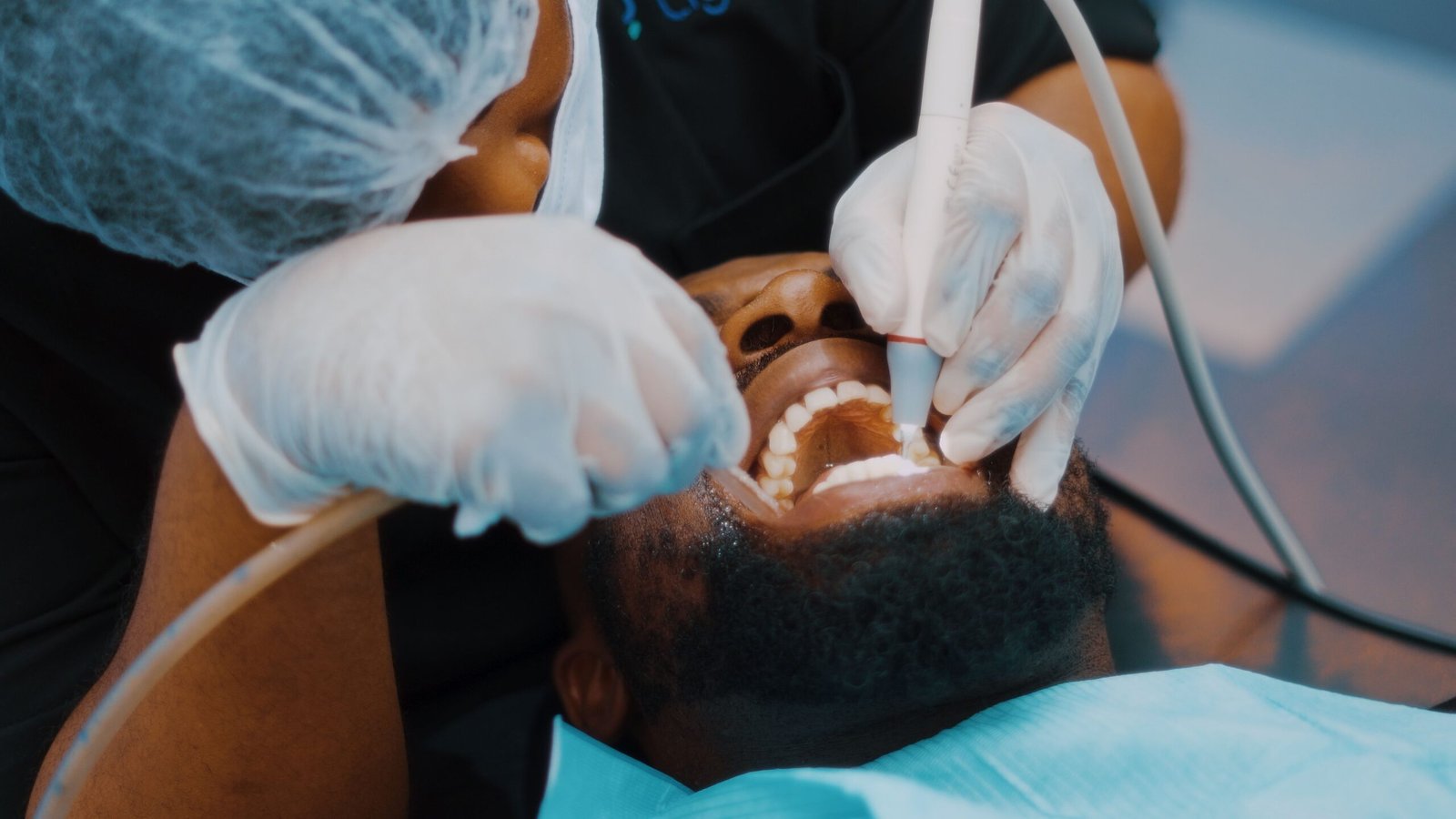
Some English words are so uncommon that discovering them feels like finding a hidden piece of the language. Dentiloquent is one of those words. It is an extremely rare adjective associated with speaking through the teeth, particularly speech produced while the teeth are held together or the mouth is only partially open. Collins currently lists “dentiloquent” as a New Word Suggestion meaning “talking through one’s teeth” and states that the word is being monitored for evidence of usage.
The word is interesting because it gives a single adjective to an action that English normally describes with a longer phrase, such as “speaking through clenched teeth.” It can therefore be useful in literary writing, vocabulary studies, discussions of unusual English words, and situations where the physical manner of speaking matters.
At the same time, dentiloquent should not be presented as an ordinary everyday English word. Its rarity and dictionary status require some qualification, making context particularly important when using it.
What Does Dentiloquent Mean?
Dentiloquent means speaking through the teeth. In practical terms, it describes speech produced when a person keeps the teeth relatively close together or speaks with limited movement of the jaw and mouth. Collins gives the concise definition “talking through one’s teeth.”
Imagine someone who is trying to speak without fully opening their mouth. Their words may sound compressed, restricted, or unusually tight. Instead of saying that the person was “talking through their teeth,” a writer could use the adjective dentiloquent to describe the manner of speech.
For example:
- “He gave a dentiloquent reply.”
- “Her dentiloquent words were difficult to understand.”
- “The character answered in a dentiloquent voice.”
These examples illustrate the basic descriptive function of the word. They do not establish that the speaker is necessarily angry, aggressive, frightened, or upset. Those emotions may be suggested by context, but dentiloquent itself primarily describes the physical manner of speaking.
For most readers, the familiar phrase “speaking through clenched teeth” will be easier to understand immediately.
Is Dentiloquent a Real English Word?
The answer is yes, but with an important qualification.
Dentiloquent is documented as an English word and appears in Collins’ New Word Suggestion database. However, Collins does not currently present it as an ordinary established dictionary entry. Instead, the submission is marked as “being monitored for evidence of usage.” The word was submitted in 2012 with the definition “Talking through one’s teeth.”
This distinction matters.
A word can be documented historically or appear in specialist vocabulary resources without being common in modern conversation. Dentiloquent belongs firmly in the rare and unusual vocabulary category.
Historical evidence also supports the existence of the term. Recent discussions of the word point to Thomas Blount’s Glossographia of 1656, where dentiloquent was associated with the meaning “speaking through the teeth.”
Therefore, it would be inaccurate to describe dentiloquent as either a completely new internet invention or a common modern adjective. A more accurate description is that it is a rare, historically documented English term with very limited contemporary usage.
What Is the Origin of Dentiloquent?
The structure of dentiloquent provides a useful clue to its meaning. The word is built from classical linguistic elements associated with teeth and speaking.
The first part, denti-, relates to teeth. The second portion, -loquent, is associated with speaking and appears in other English words derived from Latin loqui, meaning “to speak.”
This construction helps explain why the word has such a precise meaning. Rather than simply describing someone’s emotional state, it points toward the physical mechanics of speech.
The related noun dentiloquy is also important. Historical dictionary sources have defined dentiloquy as the practice or habit of speaking through the teeth.
This gives us a useful grammatical distinction:
- Dentiloquent — an adjective describing something associated with speaking through the teeth.
- Dentiloquy — a noun referring to the practice or manner of speaking through the teeth.
These words are extremely uncommon, so readers unfamiliar with unusual vocabulary may need context to understand them.
How Does Dentiloquent Speech Sound?
Dentiloquent speech can sound tight, restrained, compressed, or slightly muffled, because normal mouth and jaw movement is reduced. The exact sound will depend on how closely the teeth are held together and how much the speaker restricts jaw movement.
It is important, however, not to turn this description into a medical diagnosis.
Dentiloquent is a descriptive linguistic term, not the standard name of a speech disorder or dental condition. Someone may speak through their teeth temporarily because of a particular situation, physical habit, acting performance, or emotional circumstance.
For example, a person might deliberately speak through their teeth while portraying an angry character in a film or theatrical performance. A fictional character may also be described as giving a dentiloquent response to communicate tension without explicitly stating that the character is angry.
The physical behavior can therefore contribute to characterization, but the word itself does not automatically identify the speaker’s psychological state.
Dentiloquent vs. Speaking Through Clenched Teeth
The easiest way to understand dentiloquent is to compare it with the familiar expression “speaking through clenched teeth.”
The two ideas overlap strongly, but their practical usefulness is different.
“Speaking through clenched teeth” is immediately understandable to almost every English speaker. It creates a vivid mental image without requiring the reader to know specialized vocabulary.
“Dentiloquent,” on the other hand, is shorter and more unusual, making it potentially attractive to writers interested in precise or distinctive vocabulary.
For example:
“She spoke through clenched teeth.”
is clearer for a general audience.
Meanwhile:
“She gave a dentiloquent response.”
is more compact but assumes that the reader understands the rare adjective.
This is why context matters. If the audience is unfamiliar with the term, a writer can introduce it by pairing it with the familiar expression: “His dentiloquent, through-the-teeth reply…”
That approach preserves the unusual vocabulary while keeping the meaning accessible.
How Can We Use Dentiloquent in Writing?
Because dentiloquent is rare, it works best when used deliberately and with sufficient context. It may be particularly effective in fiction, literary criticism, vocabulary articles, historical language research, or descriptions of character behavior.
Consider these examples:
Literary description:
“The detective delivered a dentiloquent warning without raising his voice.”
Characterization:
“She answered in a dentiloquent whisper, barely opening her mouth.”
Descriptive writing:
“His dentiloquent reply made it clear that he was trying to remain composed.”
Vocabulary explanation:
“Dentiloquent describes speech produced through the teeth.”
The final example is especially useful because it immediately defines the word.
Writers should avoid using dentiloquent simply to make ordinary writing sound complicated. Clarity should remain the priority. If “speaking through clenched teeth” communicates the idea more effectively to the intended audience, that familiar expression may be the better choice.
What Dentiloquent Does Not Mean
Several misconceptions can arise because the word looks technical.
First, dentiloquent does not simply mean “related to dentistry.” Although the word contains an element associated with teeth, its meaning concerns a manner of speaking.
Second, it does not automatically mean angry. Someone may speak through their teeth because of anger or frustration, but the definition itself focuses on how the speech is produced.
Third, it is not synonymous with mumbling. Mumbling generally refers to speech that is quiet, indistinct, or difficult to understand, whereas dentiloquent specifically points toward speaking through the teeth.
Finally, dentiloquent should not automatically be interpreted as a medical condition. It is primarily a descriptive vocabulary term.
Understanding these distinctions prevents the word from being given meanings that are broader than the available evidence supports.
Why Is Dentiloquent So Rare and Interesting in 2026?
The rarity of dentiloquent is part of what makes it attractive to vocabulary enthusiasts. English contains thousands of unusual words that are historically documented but seldom appear in everyday communication.
In the case of dentiloquent, the reason for its limited popularity is easy to understand: English already has a simple and highly recognizable phrase—“speaking through the teeth.”
When an ordinary phrase communicates an idea effectively, there is less practical pressure for a rare one-word alternative to enter everyday vocabulary.
Nevertheless, unusual words can remain valuable. They can help writers discover more precise ways of describing physical actions, speech patterns, emotions, and character behavior.
Dentiloquent is also a reminder that vocabulary is not simply a collection of common words. Language contains historical terms, technical expressions, literary vocabulary, regional forms, newly proposed words, and words whose usage changes over time.
In 2026, dentiloquent remains best treated as a rare descriptive word, rather than a normal part of everyday English.
Final Thoughts on Dentiloquent
Dentiloquent means speaking through the teeth, and that is the central meaning readers should remember. It describes a particular manner of speech in which the teeth remain together or the mouth is relatively restricted while words are produced. Collins records the word as a New Word Suggestion and continues to monitor it for evidence of usage.
The word also has historical documentation, including an association with Thomas Blount’s 1656 Glossographia.
Although it may sound technical or unfamiliar, its basic idea is simple. If someone talks while keeping their teeth together, we can describe that manner of speech as dentiloquent.
Its unusual status is precisely what makes it interesting: it is a rare word with a very concrete meaning, a documented history, and a place within the fascinating edges of the English vocabulary.
Frequently Asked Questions About Dentiloquent
What is the meaning of dentiloquent?
Dentiloquent means talking or speaking through one’s teeth. It describes the physical manner in which speech is produced rather than automatically describing a person’s emotions.
Is dentiloquent a real word?
Yes. Dentiloquent is a documented rare English term, although Collins currently lists it as a New Word Suggestion and says that it is being monitored for evidence of usage.
Is dentiloquent commonly used?
No. Dentiloquent is extremely uncommon in ordinary modern conversation. Most people would say “speaking through clenched teeth” instead.
Does dentiloquent mean angry?
Not necessarily. Speaking through the teeth can occur in an angry or tense situation, but anger is not the basic definition of dentiloquent. Context determines the emotional meaning.
What is the difference between dentiloquent and dentiloquy?
Dentiloquent is an adjective, while dentiloquy is a noun referring to the practice or manner of speaking through the teeth.
Is dentiloquent a medical term?
No. Dentiloquent is best understood as a descriptive linguistic term, not the standard name of a dental disease, speech disorder, or medical diagnosis.
What is the easiest way to remember dentiloquent?
A simple memory aid is “dentiloquent = speaking through the teeth.” The “denti” element relates to teeth, while the “loquent” element is associated with speaking.
How should dentiloquent be used in a sentence?
A simple example is: “The character gave a dentiloquent reply.” For general audiences, it can be helpful to explain the word or use the more familiar phrase “speaking through clenched teeth” alongside it.

Mono symptoms can begin gradually, making it difficult to recognize infectious mononucleosis in its early stages. Often called the kissing disease, mono is a contagious viral illness most commonly caused by the Epstein-Barr virus (EBV). It frequently affects teenagers and young adults, although people of any age can develop the infection.
The most recognizable symptoms include extreme fatigue, fever, a severe sore throat, and swollen lymph nodes. Some people also experience headaches, muscle aches, swollen tonsils, skin rashes, and an enlarged spleen or liver. Symptoms vary from person to person, and not everyone develops every sign of the illness.
Understanding the early warning signs of mono can help us recognize when medical assessment may be necessary, manage discomfort, and avoid activities that could lead to complications. This guide explains the common and less familiar mono symptoms, how the infection develops, when to seek medical attention, and what recovery typically involves in 2026.
1. What Is Mono and What Causes It?
Infectious mononucleosis, commonly known as mono, is a viral illness most frequently associated with the Epstein-Barr virus. EBV is widespread, and many people become infected during their lives without developing noticeable symptoms. However, some infections lead to the characteristic symptoms of mononucleosis.
The virus spreads primarily through saliva. Transmission can occur through kissing or sharing drinks, food, utensils, or toothbrushes with an infected person. Less commonly, EBV can spread through infected blood and other bodily fluids.
Mono is particularly common among teenagers, college students, and young adults. Young children may experience mild symptoms or no obvious illness, making the infection harder to recognize.
Symptoms usually develop approximately four to six weeks after exposure to EBV. The illness may begin with general tiredness or a mild feeling of being unwell before more recognizable symptoms appear. Not everyone experiences the same progression, and other infections can produce similar symptoms.
2. Common Mono Symptoms: Early Warning Signs to Recognize
Recognizing the most common mono symptoms is an important first step in understanding the illness. Several signs can appear together, although some people experience only a few.
Extreme fatigue: One of the most characteristic symptoms is overwhelming tiredness. Everyday activities, studying, working, or exercising may suddenly feel exhausting. Unlike ordinary tiredness after a busy day, mono-related fatigue can persist for weeks and sometimes considerably longer.
Fever: A raised body temperature is common, particularly during the early stages. Fever may occur alongside chills, sweating, headaches, and general discomfort.
Severe sore throat: Mono can cause a painful sore throat that makes swallowing uncomfortable. The throat may appear red, and the tonsils may become enlarged or develop a white or yellowish coating. Because these signs resemble strep throat, medical evaluation may be needed to distinguish between the conditions.
Swollen lymph nodes: Enlarged lymph nodes, especially in the neck and sometimes the armpits, are another important symptom. These small structures are part of the immune system and may become tender during an infection.
Headaches and body aches: Some people experience muscle soreness, headaches, stiffness, and a general feeling of illness.
Loss of appetite: Fever, throat pain, and fatigue may reduce appetite and make eating and drinking more difficult.
These symptoms can develop gradually rather than appearing simultaneously. A combination of persistent fatigue, fever, swollen neck glands, and a significant sore throat may suggest mono, but symptoms alone cannot confirm the diagnosis.
3. Less Common Mono Symptoms and Possible Complications
Although fatigue, fever, and sore throat are the best-known signs, mono can affect other parts of the body.
Skin rash: Some people develop a rash during the illness. A rash may also occur after certain antibiotics, particularly amoxicillin or ampicillin, are taken during an EBV infection. Anyone who develops a rash after taking medication should contact a healthcare professional for guidance rather than assuming the cause.
Enlarged spleen: The spleen helps filter blood and supports immune function. Mono can cause it to enlarge, sometimes without obvious symptoms. This is particularly important because an enlarged spleen can be vulnerable to rupture during physical contact or strenuous activity.
Liver inflammation: Some people develop liver inflammation or abnormal liver blood test results. In occasional cases, jaundice may cause the skin or whites of the eyes to appear yellow.
Swollen tonsils: Significantly enlarged tonsils may make swallowing difficult. Severe swelling can occasionally interfere with breathing.
Other possible symptoms include chills, night sweating, abdominal discomfort, and pronounced weakness. More serious complications, such as certain blood abnormalities or nervous system problems, are uncommon but possible.
Seek emergency medical care for sudden, severe pain in the upper left abdomen or pain near the left shoulder, especially if mono is suspected, because these symptoms may indicate a ruptured spleen. Difficulty breathing, inability to swallow saliva, fainting, or severe weakness also requires urgent assessment.
4. How Long Do Mono Symptoms Last?
The duration of mono symptoms varies according to the individual, the severity of the illness, and the body’s response to infection.
Many people begin to feel better within two to four weeks. Fever and sore throat often improve during this period, but fatigue may continue after the other symptoms have subsided.
Some people experience reduced energy for several additional weeks or months. Occasionally, symptoms can persist for six months or longer. An enlarged spleen or liver may also require additional monitoring, even when the person feels substantially better.
Recovery generally benefits from adequate rest, hydration, and a gradual return to normal routines. Trying to resume intense exercise or a demanding schedule too quickly may worsen exhaustion or delay a comfortable return to everyday activities.
We should also remember that lingering fatigue does not automatically mean that the infection remains active at the same intensity. Persistent, worsening, or unusual symptoms deserve medical review to check for complications or other possible causes.
5. How Doctors Diagnose Mono Symptoms
Healthcare professionals usually begin by reviewing symptoms, their duration, possible exposure, and the patient’s medical history. A physical examination may identify swollen lymph nodes, enlarged tonsils, or signs of an enlarged spleen or liver.
Depending on the presentation, a clinician may recommend blood tests.
Monospot testing: This test looks for certain antibodies associated with mono. However, it can produce a false-negative result, particularly early in the illness, and is not reliable in every patient.
EBV antibody testing: Specific antibody tests can help determine whether an infection is recent or occurred in the past. These tests may be useful when the diagnosis is uncertain.
Complete blood count: A blood test may reveal increased lymphocytes or atypical lymphocytes, which can support the diagnosis but do not confirm mono by themselves.
Other tests may be appropriate when symptoms resemble different illnesses, including strep throat or other viral infections. The choice depends on the clinical situation.
Anyone experiencing a persistent severe sore throat, significant fatigue, fever, or swollen lymph nodes should consider contacting a healthcare professional, particularly when symptoms interfere with eating, drinking, school, or work.
6. Treatment and Home Care for Mono Symptoms
There is no specific routine antiviral treatment that cures uncomplicated EBV-related mono. Management usually focuses on relieving symptoms, preventing dehydration, and allowing the body time to recover.
Useful supportive measures include:
Get sufficient rest: Sleep and regular breaks can help manage fatigue. Adjust work, school, and daily responsibilities according to energy levels.
Drink plenty of fluids: Water, broth, and other suitable drinks can help prevent dehydration, particularly when fever or throat pain makes drinking uncomfortable.
Soothe a sore throat: Warm drinks, cool fluids, or saltwater gargles may help ease throat discomfort when appropriate.
Manage fever and pain safely: Acetaminophen (paracetamol) or ibuprofen may help some people, but suitability depends on age, medical history, and other medications. Follow product instructions and professional advice.
Eat manageable meals: Soft foods may be easier to swallow when the throat is painful.
Avoid strenuous activity: Contact sports, heavy lifting, and vigorous exercise should be avoided until a healthcare professional confirms that returning to these activities is safe.
Do not take antibiotics for mono unless a clinician identifies a bacterial infection that requires them. Antibiotics do not treat viruses, and amoxicillin or ampicillin can trigger a rash in people with mono.
Children and teenagers should not take aspirin for viral illnesses because of the risk of Reye’s syndrome. People with liver disease or other medical conditions should ask a healthcare professional which pain-relief options are appropriate.
7. Preventing Mono and Knowing When to Seek Medical Help
Because EBV spreads primarily through saliva, prevention focuses on reducing exposure to infected saliva. Avoid kissing someone who has mono and do not share drinks, food, utensils, toothbrushes, or lip balm during the illness.
The virus may remain detectable in saliva for months after symptoms improve, so the risk of transmission does not necessarily end when fever disappears. There is currently no vaccine specifically approved to prevent infectious mononucleosis.
Medical advice is particularly important when symptoms are severe, do not improve as expected, or return after an initial recovery. Seek prompt evaluation for persistent fever, worsening throat pain, difficulty maintaining hydration, yellowing of the eyes or skin, or significant abdominal discomfort.
Emergency assessment is necessary for sudden severe abdominal pain, breathing difficulties, inability to swallow saliva, or collapse. These signs may indicate a serious complication rather than an uncomplicated viral illness.
Before returning to contact sports, heavy lifting, or vigorous physical activity, we should follow individualized medical advice. An enlarged spleen may remain vulnerable even after other symptoms improve, and returning too soon can result in a life-threatening injury.
Conclusion: Understanding Mono Symptoms in 2026
Mono symptoms range from mild fatigue and a sore throat to fever, swollen lymph nodes, enlarged tonsils, and prolonged exhaustion. Most cases improve with supportive care, although recovery can take several weeks and fatigue may persist for months.
Understanding the characteristic signs, seeking an appropriate diagnosis, maintaining hydration, and allowing sufficient rest can support a safer recovery. Equally important is avoiding contact sports and strenuous exercise until it is medically safe to resume them.
By recognizing early mono symptoms, understanding how EBV spreads, and knowing the warning signs of complications, we can make informed decisions about medical care and recovery. Anyone with severe or persistent symptoms should seek professional advice rather than relying on symptoms alone to identify the illness.
Health
Dumbbell Pullover: Complete Guide to Muscles Worked, Benefits, Proper Form, and Variations (2026)

The dumbbell pullover is a classic upper-body strength exercise that helps develop the chest and back while challenging shoulder control and core stability. It is performed by lying on a bench or the floor, holding a dumbbell with both hands, lowering it in a controlled arc behind the head, and returning it above the chest. This simple movement remains popular among beginners, bodybuilders, and experienced gym enthusiasts because it provides a different training stimulus from conventional presses and rows.
One of the most frequently asked questions about the dumbbell pullover is whether it primarily trains the chest or the back. The answer is that both the pectoralis major and latissimus dorsi contribute to the movement, although the degree of involvement varies with technique, shoulder position, and individual anatomy. The triceps, serratus anterior, and core muscles also contribute to stabilization.
In this guide, we explore the muscles worked by the dumbbell pullover, its main benefits, step-by-step instructions, common mistakes, useful variations, and practical workout recommendations for 2026.
What Is the Dumbbell Pullover and Which Muscles Does It Work?
The dumbbell pullover is an upper-body resistance exercise that involves moving the arms through an overhead arc while maintaining a relatively stable elbow position. Unlike a bench press, which primarily involves pushing a weight away from the body, the pullover emphasizes movement at the shoulder joint.Several muscles work together during the exercise:
Pectoralis major: The main chest muscle contributes to bringing the upper arms back toward the torso.
Latissimus dorsi: These broad back muscles help extend the shoulders as the dumbbell returns from the overhead position.
Teres major: Assists shoulder extension and works alongside the latissimus dorsi.
Triceps brachii: The long head helps stabilize the elbow and contributes to shoulder movement.
Serratus anterior: Helps control the shoulder blades during overhead movement.
Core muscles: The abdominal muscles help stabilize the trunk and resist excessive arching through the lower back.
The precise contribution of each muscle depends on the range of motion, elbow angle, and technique. Therefore, we should view the dumbbell pullover as a chest-and-back accessory exercise, rather than a complete replacement for dedicated chest presses, rows, or lat pulldowns.
Benefits of the Dumbbell Pullover for Strength and Muscle Growth
The dumbbell pullover offers several advantages when incorporated into a balanced resistance-training program.
1. Supports upper-body muscle development
The exercise loads the chest and back through a movement pattern that differs from many conventional strength exercises. With consistent training, appropriate resistance, and sufficient recovery, it can contribute to upper-body muscle development.
2. Trains muscles in an overhead position
The dumbbell travels behind the head, placing the shoulder muscles under load as the arms move overhead. This can be useful for developing control through a comfortable range of motion, although it does not guarantee improved shoulder mobility or prevent injuries.
3. Adds variety to chest and back workouts
Pullovers can complement bench presses, push-ups, rows, and pulldowns. They provide a different resistance pattern and can help make an upper-body routine more comprehensive.
4. Requires minimal equipment
A single dumbbell and a stable bench are sufficient for the traditional version. A floor variation is also possible, making the exercise convenient for home workouts.
5. Can be adapted to different fitness levels
Beginners can practice with a very light dumbbell, while experienced lifters can increase resistance gradually. The most important factor is maintaining control rather than lifting the heaviest possible weight.
Although the exercise has a long history in bodybuilding, it should not be treated as a guaranteed method for expanding the rib cage, correcting posture, or building a larger chest on its own. Its value comes from appropriate loading and consistent training.
How to Perform a Dumbbell Pullover With Proper Form
Correct technique allows us to train effectively while reducing avoidable strain on the shoulders and lower back. Before beginning, choose a dumbbell that you can grip securely and control throughout the entire movement.
Follow these steps:
Position your body. Lie on your back along a flat bench with your head and upper back supported. Keep your feet planted firmly on the floor.
Grip the dumbbell securely. Hold one dumbbell with both hands around the inside of one end, following the manufacturer’s grip design. Check that the weight is secure before lifting it overhead.
Establish the starting position. Hold the dumbbell above your upper chest with your arms extended and your elbows slightly bent.
Brace your core. Maintain a stable rib cage and pelvis. Avoid arching your lower back excessively to increase the range of motion.
Lower the dumbbell slowly. Inhale as you move the weight behind your head in a controlled arc. Stop when you reach a comfortable shoulder position without pain or loss of control.
Return to the starting position. Exhale as you bring the dumbbell back above your chest, using your chest and back muscles to control the movement.
Repeat with consistency. Maintain a similar elbow angle throughout each repetition, avoid bouncing, and keep the weight under control.
A useful starting point for many beginners is 2–3 sets of 8–12 repetitions with a manageable weight. Rest sufficiently between sets to maintain good technique. Your ideal range of motion depends on your shoulder mobility and comfort, so there is no need to force the dumbbell close to the floor.
Common Dumbbell Pullover Mistakes to Avoid
Even a simple exercise can become less effective when technique deteriorates. We should focus on consistent movement rather than chasing heavier weights or a deeper stretch.
Using excessive weight: A heavy dumbbell can cause swinging, poor grip control, and excessive back arching. Begin with a lighter load.
Lowering the weight too far: Forcing the shoulders into an uncomfortable position can increase joint stress. Stop at a comfortable, controlled depth.
Changing the elbow angle repeatedly: Excessive bending and straightening turns the movement into something closer to a triceps extension. Maintain a slight, consistent bend.
Flaring the ribs: Raising the chest and arching the back to create extra range can reduce trunk stability. Keep the torso controlled.
Moving too quickly: Momentum makes the exercise harder to control. Lower and raise the dumbbell smoothly.
Using an insecure grip: A dumbbell held overhead must be secure. If you cannot maintain a reliable grip, select a safer alternative.
Ignoring pain: Stop if you experience sharp shoulder pain, numbness, unusual weakness, or persistent discomfort.
People with existing shoulder injuries or limited overhead mobility may benefit from professional guidance before attempting pullovers. A comfortable range of motion is more important than achieving a particular depth.
Dumbbell Pullover Variations and Alternatives
Different variations allow us to adapt the exercise to our equipment, experience, and mobility.The traditional version provides a stable base and allows the shoulders to move through a comfortable overhead range. It is a useful starting option for many lifters.
The floor limits how far the arms can travel behind the head. This can make the movement easier to control for some people, although it is not suitable for every shoulder condition.
This alternative emphasizes shoulder extension and back engagement while providing a different resistance profile. It is useful when overhead dumbbell positioning feels uncomfortable.
We can also adjust the load, range of motion, and tempo to suit our training experience. Advanced variations should be introduced only after mastering the standard movement. There is no need to use unstable positions or unusually heavy weights to make pullovers effective.
Dumbbell Pullover Workout Plan: Sets, Reps, and Progression
The best way to program dumbbell pullovers depends on whether our goal is general fitness, muscle development, or upper-body endurance.
| Training goal | Suggested sets | Repetitions |
|---|---|---|
| Beginners | 2–3 | 8–12 |
| Muscle development | 3–4 | 8–15 |
| Muscular endurance | 2–3 | 12–20 |
These are general starting guidelines rather than mandatory targets. We should use a weight that allows us to complete each repetition with good form and finish the set without approaching technical failure.
For a chest-focused workout, we could combine dumbbell pullovers with bench presses, incline presses, and controlled chest fly variations. For a back-focused workout, we could pair them with rows and lat pulldowns. In either case, the pullover should complement—not replace—larger compound movements.
Progress gradually by improving technique, completing additional repetitions, or increasing the weight in small increments when appropriate. Allow adequate recovery between training sessions and stop a set when technique begins to deteriorate.
Conclusion
The dumbbell pullover is a versatile upper-body exercise that trains the chest and back while challenging shoulder control and core stability. Its straightforward setup makes it useful for gym training and many home workout routines, provided that we use a secure grip, appropriate resistance, and a comfortable range of motion.
For the best results, prioritize proper form, progress gradually, and combine pullovers with presses, rows, and other complementary exercises. By making technique and consistency the foundation of our training, we can use this classic exercise as a valuable part of a balanced strength program.
Frequently Asked Questions About Dumbbell Pullovers
1. Are dumbbell pullovers for the chest or back?
They can train both the chest and back. The relative emphasis depends on technique, range of motion, and individual anatomy.
2. How many dumbbell pullovers should beginners do?
A practical starting point is 2–3 sets of 8–12 repetitions using a light, manageable weight.
3. Can dumbbell pullovers build a bigger chest?
They can contribute to chest development when included in a consistent resistance-training program, but they work best alongside other appropriate chest exercises.
4. Can we do dumbbell pullovers at home?
Yes. A dumbbell and stable bench are sufficient for the standard version. A floor variation is another option when a bench is unavailable.
5. Are dumbbell pullovers safe for the shoulders?
They may be suitable for many people when performed with controlled technique and a comfortable range of motion. Anyone experiencing shoulder pain or limited mobility should avoid forcing the movement and seek qualified advice if necessary.
6. Should dumbbell pullovers be performed on chest day or back day?
Either option can work. Place them on chest day if they complement your pressing routine, or on back day if they fit better alongside your pulling exercises.
Health
Newest Blackhead Removal Videos 2026: Satisfying Extraction Trends, Skincare Tips, and Safe Viewing

The newest blackhead removal videos 2026 are attracting viewers who enjoy skincare transformations, satisfying extraction footage, and professional dermatology content. From close-up pore-cleaning demonstrations to detailed comedone extractions, these videos offer a fascinating look at how clogged pores are treated. Platforms such as YouTube, Instagram, and TikTok continue to provide a wide variety of blackhead removal content, including professional procedures, educational skincare videos, and dramatic before-and-after transformations.
Blackheads are a common skin concern, but the material removed from a pore is not always what viewers expect. Some videos show genuine open comedones, while others feature sebaceous filaments, enlarged pores, or different types of acne. Understanding these differences helps us appreciate the latest extraction videos without confusing satisfying visual content with reliable skincare advice.
In this guide, we explore the most interesting blackhead removal videos of 2026, the dermatologists and creators behind popular extraction content, the difference between professional and at-home removal, and the skincare habits that can help reduce recurring blackheads.
What Makes the Newest Blackhead Removal Videos 2026 So Popular?
Blackhead removal videos have become a recognizable part of online skincare entertainment. Their appeal comes from the combination of close-up visuals, visible results, and the transformation from a clogged pore to a cleaner-looking skin surface. Viewers often search for the newest videos because they want to discover unusual extractions, larger comedones, improved camera quality, and new techniques used by skincare professionals.
One of the most recognizable names in this area is Dr. Sandra Lee, better known online as Dr. Pimple Popper. Her dermatology channel is associated with acne extractions, blackhead removal, cyst treatments, and educational skincare content. Her popularity has helped bring professional skin procedures to a much wider audience.
The latest blackhead removal videos also benefit from better lighting, macro cameras, and short-form editing. These improvements make small pores and extracted material easier to see. However, the visual quality of a video does not necessarily indicate that the procedure is medically appropriate. A satisfying extraction can still involve irritation, bleeding, or unnecessary pressure, which is why professional context remains important.
New Blackhead Extraction Videos on YouTube and Social Media
YouTube remains one of the most useful places to explore newest blackhead removal videos 2026 because it offers both short clips and longer dermatology procedures. Viewers can find videos featuring facial blackheads, nose extractions, enlarged comedones, and professional acne treatments. Search results also include compilation videos that bring together several extractions in one viewing session.
Instagram and TikTok are especially popular for short, visually engaging skincare clips. Their recommendation systems can introduce viewers to creators who specialize in pore cleaning, facial treatments, and extraction demonstrations. The advantage of short videos is that they provide quick visual results, while longer YouTube videos can offer more information about the patient’s skin condition and the procedure.
When searching for new content, we should distinguish between professional blackhead removal videos and clips created solely for entertainment. A dermatologist-led video may explain why a comedone forms, how the skin is prepared, and what aftercare is required. A dramatic compilation may focus almost entirely on the extraction itself. Both can be visually interesting, but they serve different purposes.
Blackheads, Sebaceous Filaments, and What We See in Extraction Videos
A blackhead is an open comedone, meaning a hair follicle becomes clogged with oil and dead skin cells while remaining open to the air. The dark appearance is caused primarily by oxidation of the material inside the pore, not simply by dirt. Blackheads commonly occur on the nose, forehead, chin, and other areas where oil production is higher.
Sebaceous filaments are different. They are normal structures within pores that help move oil toward the skin surface. They can appear as small gray, yellowish, or dark dots, especially around the nose. Although they may resemble blackheads in close-up videos, they are not necessarily a form of acne and will naturally refill after removal.
This distinction is important when watching satisfying blackhead removal videos. A video may show material being removed from a pore, but that does not mean the pore contained a large blackhead. Some clips feature sebaceous filaments, compacted oil, or other harmless pore contents. Understanding the difference helps us interpret the results more accurately and avoid unrealistic expectations about permanently eliminating visible pores.
Professional Blackhead Removal: What Dermatologists Do Differently
Professional extractions are generally performed after the skin has been assessed and prepared. A dermatologist may use a sterile comedone extractor or another appropriate technique to remove a clogged pore. The goal is to release the material without causing unnecessary trauma to the surrounding skin.
A professional approach is especially valuable when blackheads are deep, numerous, or accompanied by inflamed acne. Dermatologists can determine whether a bump is actually a blackhead and recommend treatments that address the underlying cause. They can also identify conditions that may look similar to acne but require different care.
In contrast, aggressive squeezing at home can damage the skin. Excessive pressure may cause inflammation, bleeding, infection, or scarring. A person may also push material deeper into the follicle rather than removing it. This is why blackhead extraction videos should not be treated as step-by-step instructions for performing forceful extractions on ourselves.
Why Some Blackhead Removal Videos Show Large or Unusual Extractions
Some of the most watched blackhead removal videos feature unusually large comedones or clogged pores that have been present for a long time. These cases are visually striking because the extracted material appears larger than the small blackheads most people see in everyday skincare.
However, not every dramatic extraction represents a typical blackhead. Some videos involve enlarged pores, long-standing comedones, cysts, or other skin lesions. The appearance of extracted material alone is not enough to establish a diagnosis.
The most useful way to understand these videos is to focus on the clinical explanation. If a dermatologist identifies the condition and explains the procedure, viewers gain more than entertainment. They learn how different skin problems develop and why certain treatments are chosen.
We should also remember that online videos are selective. Creators tend to publish unusual or visually interesting procedures, so the most dramatic cases do not represent the average person’s skin. Ordinary blackheads are usually much smaller and can often be managed with consistent skincare rather than dramatic extraction.
How to Reduce Blackheads Between Professional Treatments
Although blackhead removal videos can be satisfying to watch, consistent skincare is more important than repeated extraction. A gentle cleanser can help remove excess oil, sunscreen, and daily buildup without excessively irritating the skin. Overwashing and harsh scrubbing may make the skin more sensitive and worsen irritation.
Salicylic acid is a common ingredient used in products designed for acne-prone skin. It helps exfoliate inside pores and may reduce the buildup that contributes to blackheads. Retinoid treatments can also help prevent clogged pores by supporting normal skin-cell turnover. The appropriate product depends on skin type, sensitivity, and the severity of the problem.
Noncomedogenic skincare products may be helpful for people who frequently develop blackheads. These products are designed to be less likely to clog pores. However, no product guarantees that every pore will remain clear, and even suitable skincare may require several weeks of consistent use before noticeable improvement.
When blackheads persist despite regular skincare, a dermatologist can recommend a treatment plan. Professional extraction may be useful for selected comedones, but it is only one part of managing acne-prone skin.
Best Ways to Find Newest Blackhead Removal Videos 2026
For viewers searching for the latest blackhead extraction content, we recommend using specific search terms rather than relying on general skincare recommendations. Useful searches include “new blackhead removal 2026,” “professional blackhead extraction,” “dermatologist comedone removal,” and “satisfying pore cleaning videos.”
YouTube is particularly useful for finding longer procedures and dermatology explanations. Instagram and TikTok are better suited to short clips and quick transformations. Searching for named dermatology creators can also help us locate more consistent content.
Dr. Pimple Popper remains a recognizable source of professional extraction videos, while other dermatology and skincare creators provide educational demonstrations. The most valuable videos explain what is being removed, how the skin is treated, and what viewers should understand about the procedure.
Because search results change frequently, a video appearing in a recommendation feed is not necessarily the newest upload. We should check the publication date and the creator’s official channel when looking for genuinely recent content.
Conclusion
The newest blackhead removal videos 2026 continue to combine skincare education, satisfying visual transformations, and professional dermatology procedures. Their popularity comes from the clear contrast between clogged pores and the appearance of the skin after treatment. YouTube, Instagram, and TikTok offer a wide selection of videos, from everyday blackhead extractions to unusual cases involving large comedones.
The most important lesson is that not every dark pore is a blackhead, and not every extraction video represents a safe technique. Professional treatment can help when clogged pores are persistent or difficult to manage, while gentle skincare and appropriate acne treatments can reduce recurring blackheads.
For anyone exploring blackhead removal content in 2026, the best approach is to enjoy the visual experience while paying attention to the dermatology information behind it. Understanding the difference between entertainment and medical advice allows us to appreciate these videos without copying potentially harmful extraction methods.
Frequently Asked Questions About Newest Blackhead Removal Videos 2026
What are the newest blackhead removal videos 2026?
They are recent online videos featuring blackhead extractions, pore cleaning, comedone removal, and dermatology procedures. They can be found on platforms such as YouTube, Instagram, and TikTok.
Why do people enjoy watching blackhead removal videos?
Many viewers enjoy the visual transformation, close-up footage, and satisfying appearance of extracted material. Professional videos may also provide useful information about skin conditions and treatments.
Is every dark pore a blackhead?
No. Some dark-looking pores contain sebaceous filaments rather than blackheads. A blackhead is an open comedone, while sebaceous filaments are normal structures that help move oil through the pores.
Can we remove blackheads at home?
Gentle skincare may help reduce blackheads, but forceful squeezing can damage the skin and increase the risk of irritation, infection, and scarring. Professional extraction may be appropriate for persistent or difficult-to-remove comedones.
Who is known for professional blackhead removal videos?
Dr. Sandra Lee, known online as Dr. Pimple Popper, is one of the best-known dermatologists associated with extraction videos and skincare content.
What skincare ingredients help with blackheads?
Salicylic acid and retinoid treatments are commonly used to help manage clogged pores. A dermatologist can recommend suitable products based on skin type and the severity of acne.
Where can we find new blackhead extraction videos?
YouTube, Instagram, and TikTok are useful platforms for finding recent extraction content. Checking the official creator’s channel and publication date helps identify newer uploads.


 Celebrity4 months ago
Who Is Susan Cohan? The Untold Story of Lauren Cohan’s Mother
- Celebrity3 months ago
Who Is Richard Skelton Jr? The Heartbreaking Story of Red Skelton’s Son
- Celebrity3 months ago
Mark Zettel: A Comprehensive Biography, Career Journey, Family Life, and Lasting Legacy
- Business3 months ago
IndexSP: .INX – Complete Guide to the S&P 500 Index, Market Performance, and Investment Insights (2026)
- Business3 months ago
Travel Tweaks Offers: The Complete 2026 Guide to Smarter Travel Savings and Better Experiences
- Tech3 months ago
Get in Touch on TurboGeek.org: The Complete 2026 Guide to Contacting TurboGeek Support, Community, and Editorial Team
- Sports4 months ago
NewsNow Liverpool: Latest Liverpool FC News, Transfers, Fixtures & Live Updates
- Business3 months ago
Latest News MyGreenBucks.net (2026): Complete Guide to Updates, Features, Financial Insights, and What Users Should Know