Food
Best Tarta de Brócoli Near Me: The Ultimate 2026 Guide to Authentic Broccoli Pie


If you’re searching for the best Tarta de Brócoli near me, you’re looking for one of the most delicious and nutritious savory pies enjoyed throughout Argentina, Uruguay, and many Latin American countries. Known for its flaky golden crust, creamy filling, fresh broccoli, melted cheese, and perfectly balanced seasonings, Tarta de Brócoli is a comforting dish that works equally well for breakfast, lunch, dinner, or brunch.
Whether you’re visiting a traditional Argentine bakery, a neighborhood café, or a South American restaurant, finding an authentic Tarta de Brócoli prepared with fresh ingredients can turn an ordinary meal into a memorable dining experience.
This comprehensive 2026 guide explains everything you need to know about Tarta de Brócoli, including its origins, ingredients, nutritional benefits, popular variations, serving suggestions, and tips for finding the best Tarta de Brócoli near you.
What Is Tarta de Brócoli?
Tarta de Brócoli is a traditional Argentine savory pie featuring a buttery pastry crust filled with fresh broccoli, cheese, eggs, cream, onions, and herbs. Similar to a quiche but with a distinctly South American style, this dish is famous for its rich flavor, creamy texture, and satisfying balance of vegetables and dairy.
The pie is baked until the crust becomes crisp and golden while the filling sets into a soft, cheesy center.
Traditional ingredients often include:
- Fresh broccoli florets
- Mozzarella cheese
- Parmesan cheese
- Ricotta cheese
- Eggs
- Heavy cream or milk
- Onions
- Garlic
- Olive oil
- Butter
- Nutmeg
- Black pepper
- Salt
- Fresh parsley
- Flaky pie crust
Many family recipes include their own unique blend of cheeses and herbs, making each Tarta de Brócoli slightly different while preserving its authentic character.
Why Tarta de Brócoli Is So Popular
The growing popularity of Tarta de Brócoli comes from its combination of wholesome ingredients, creamy texture, and versatility.
Rich Yet Balanced Flavor
The mild flavor of broccoli pairs beautifully with creamy cheeses, creating a satisfying dish without being overly heavy.
Perfect for Every Meal
Tarta de Brócoli can be served:
- Hot
- Warm
- At room temperature
making it ideal for family dinners, office lunches, picnics, and gatherings.
Excellent Vegetarian Option
Traditional recipes are naturally vegetarian, making this pie a favorite for those seeking meat-free meals.
Easy to Share
Its pie format allows for easy slicing, making it a popular choice for celebrations and family meals.
How to Find the Best Tarta de Brócoli Near Me
Searching online for the best Tarta de Brócoli near me will often reveal bakeries, cafés, delicatessens, and Argentine restaurants. To find the most authentic version, consider these factors.
Choose Argentine or Uruguayan Restaurants
Restaurants specializing in South American cuisine often prepare Tarta de Brócoli using traditional recipes.
Look for Freshly Baked Pies
Fresh baking ensures:
- Golden flaky crust
- Creamy filling
- Fresh vegetables
- Rich aroma
Read Customer Reviews
Look for reviews mentioning:
- Homemade flavor
- Fresh broccoli
- Quality cheese
- Perfect pastry
- Generous portions
- Friendly service
Positive customer experiences often indicate consistently high quality.
Ask About Homemade Dough
Many family-owned bakeries prepare their pastry from scratch, creating a crisp, buttery crust that enhances the overall flavor.
Ingredients That Make Authentic Tarta de Brócoli Special
The quality of each ingredient determines the final taste and texture of the pie.
Fresh Broccoli
The broccoli should be lightly cooked to preserve its bright color, natural sweetness, and slight crunch.
Premium Cheese
Traditional recipes often combine:
- Mozzarella
- Parmesan
- Ricotta
- Provolone
The mixture creates a rich and creamy filling with excellent flavor.
Eggs and Cream
These ingredients bind the filling while adding a silky texture.
Fresh Aromatics
Garlic, onions, and parsley contribute depth without overpowering the broccoli.
Flaky Pastry
A buttery crust provides the perfect contrast to the soft filling and is one of the defining features of authentic Tarta de Brócoli.
Popular Variations of Tarta de Brócoli
Many restaurants and home cooks prepare creative versions while maintaining the traditional foundation.
Broccoli and Cheese Tarta
The classic recipe featuring broccoli with a blend of mozzarella and Parmesan.
Broccoli and Spinach Tarta
Fresh spinach adds color, nutrition, and additional flavor.
Broccoli and Mushroom Tarta
Sautéed mushrooms provide earthy richness and pair beautifully with cheese.
Broccoli and Ham Tarta
Some recipes include diced cooked ham for extra protein and savory flavor.
Four Cheese Broccoli Tarta
A premium variation featuring:
- Mozzarella
- Parmesan
- Ricotta
- Provolone
for an extra creamy filling.
Best Side Dishes to Enjoy with Tarta de Brócoli
Although satisfying on its own, Tarta de Brócoli pairs wonderfully with a variety of sides.
Fresh Garden Salad
A salad with lettuce, tomatoes, cucumbers, and vinaigrette balances the pie’s creamy richness.
Vegetable Soup
A light soup complements the savory pie without making the meal too heavy.
Roasted Vegetables
Roasted zucchini, carrots, peppers, or asparagus create a colorful and nutritious combination.
Fresh Bread
Artisan bread or dinner rolls pair well with warm slices of Tarta de Brócoli.
Refreshing Beverages
Popular drink options include:
- Sparkling water
- Fresh lemonade
- Iced tea
- Coffee
- Herbal tea
What Makes Authentic Tarta de Brócoli Different?
Authentic South American recipes stand apart because of their careful preparation and balanced ingredients.
Fresh Vegetables
Traditional recipes emphasize fresh broccoli rather than frozen vegetables whenever possible.
Balanced Cheese Blend
Using multiple cheeses creates depth of flavor without overwhelming the broccoli.
Homemade Pastry
Fresh pastry delivers a crisp exterior while supporting the creamy filling.
Simple Seasonings
Authentic recipes rely on:
- Garlic
- Black pepper
- Nutmeg
- Fresh parsley
- Olive oil
These ingredients enhance the natural flavors rather than masking them.
Careful Baking
The pie is baked until:
- The crust is golden
- The filling is fully set
- The cheese is lightly browned
- The aroma is rich and inviting
Tips for Ordering the Best Tarta de Brócoli
To enjoy the most authentic experience, consider these recommendations:
- Visit restaurants specializing in Argentine or Uruguayan cuisine.
- Ask if the pie is baked fresh daily.
- Pair it with a fresh salad or vegetable soup.
- Read recent customer reviews before choosing a restaurant.
- Request extra Parmesan cheese if available.
- If ordering takeout, reheat the pie in an oven to preserve the crispy crust.
Frequently Asked Questions About Tarta de Brócoli
Is Tarta de Brócoli vegetarian?
Yes. Traditional recipes are vegetarian, although some variations may include ham or bacon.
Can it be served cold?
Yes. While many people prefer it warm, Tarta de Brócoli is also delicious at room temperature or chilled.
What cheeses are commonly used?
Popular choices include mozzarella, ricotta, Parmesan, and provolone, often combined for extra creaminess.
Can it be frozen?
Yes. Wrap individual slices tightly and freeze them for convenient reheating later.
Is Tarta de Brócoli healthy?
It provides fiber, vitamins, calcium, and protein thanks to the broccoli, eggs, and cheese. Portion size and ingredient choices will influence the overall nutritional profile.
Final Thoughts
Finding the best Tarta de Brócoli near me means choosing bakeries and restaurants that value fresh ingredients, traditional Argentine recipes, homemade pastry, and premium cheeses. A perfectly prepared Tarta de Brócoli combines tender broccoli, creamy cheese, fluffy egg filling, aromatic herbs, and a flaky golden crust into one of South America’s most comforting savory pies.
Whether you’re trying this classic dish for the first time or searching for an authentic taste of Argentina, selecting a restaurant known for freshly baked specialties ensures the best dining experience. Pair your slice with a fresh salad, roasted vegetables, or a warm bowl of soup, and you’ll quickly understand why Tarta de Brócoli remains a beloved favorite in homes, bakeries, and cafés across Latin America.


Scallops are popular seafood known for their delicate texture, naturally sweet flavor, and versatility in the kitchen. They appear on restaurant menus around the world, from simple pan-seared seafood dishes to elegant pasta, risotto, and grilled preparations. Whether you are trying scallops for the first time or looking to improve your cooking skills, understanding their varieties, nutritional value, preparation methods, and food-safety requirements can help you enjoy them with confidence.
In 2026, scallops remain a favorite ingredient for home cooks and professional chefs because they cook quickly and pair well with a wide range of flavors. They can be served as an appetizer, included in a main course, or combined with vegetables and grains for a balanced meal. However, the best results depend on choosing good-quality scallops, handling them correctly, and avoiding overcooking. This guide explains what scallops are, their types, nutrition, preparation, cooking methods, and practical tips for buying and serving them.
What Are Scallops?
Scallops are marine bivalve mollusks, meaning they have two shells connected by a hinge. They belong to the family Pectinidae and live in saltwater environments. Unlike many shellfish that remain attached to one surface, some scallop species can move through the water by rapidly opening and closing their shells.
The part most commonly eaten is the adductor muscle, a strong muscle that allows the animal to close its shell. This muscle becomes the round, tender piece of seafood commonly sold in shops and served in restaurants. Depending on the species and preparation, scallops may have a mild sweetness and a soft, slightly firm texture.
Scallops are enjoyed in many cuisines, including French, Japanese, Chinese, Mediterranean, and North American cooking. Chefs often prepare them simply because their natural flavor can be overwhelmed by too many ingredients. A little butter or olive oil, a suitable seasoning, and careful cooking are often enough to create a delicious dish.
Some scallops are sold with their roe, the colorful reproductive tissue attached to the muscle, while others are sold as the cleaned white muscle alone. Whether the roe is included depends on the species, market, and culinary tradition. When buying scallops, it is useful to ask how they have been processed and whether they are fresh or previously frozen.
Types of Scallops and Their Differences
There are several types of scallops, and the variety available depends on the region and seafood supplier. Two familiar categories in North American markets are sea scallops and bay scallops.
Sea scallops are generally larger and are often chosen for pan-searing or grilling. Their size makes it easier to develop a golden-brown exterior while keeping the center tender. They are frequently served as individual pieces in restaurant dishes and can be paired with vegetables, potatoes, rice, or pasta.
Bay scallops are smaller and usually have a delicate texture. They work well in seafood pasta, soups, chowders, stir-fries, and mixed seafood dishes. Because they are smaller, they cook very quickly and require close attention to avoid becoming tough.
Other species are harvested in different parts of the world, including regions of the Pacific and Atlantic oceans. Names used in fish markets may refer to a species, size category, or local product, so the label alone does not always tell the whole story.
When comparing scallops, consider their size, intended recipe, origin, and handling. Larger scallops are convenient for searing, while smaller varieties are useful in dishes where the seafood is mixed with other ingredients. No matter which type you choose, proper storage and freshness are essential for quality and food safety.
Scallops Nutrition and Potential Health Benefits
Scallops provide high-quality protein and several important nutrients, making them a useful addition to a varied diet. They are naturally low in saturated fat and contain nutrients such as vitamin B12, selenium, phosphorus, and zinc. Their exact nutritional content depends on the species, serving size, and cooking method.
A cooked serving of scallops provides protein that helps the body maintain and repair muscles and other tissues. Vitamin B12 supports normal nerve function and red blood cell formation, while selenium contributes to antioxidant processes that help protect cells. Scallops also provide phosphorus, which supports healthy bones and normal energy metabolism.
Here are some key nutritional characteristics of scallops:
Protein: Supports muscle maintenance and tissue repair.
Vitamin B12: Helps maintain healthy nerves and red blood cells.
Selenium: Supports normal thyroid function and antioxidant defenses.
Phosphorus: Helps maintain bones and supports energy production.
Low saturated fat: Plain scallops can fit into eating patterns that emphasize lean protein sources.
Scallops can be part of a balanced diet when prepared with reasonable amounts of butter, oil, salt, and rich sauces. Deep-frying or adding large quantities of butter and cream can substantially change the nutritional profile of the finished dish.
One important consideration is allergies. Scallops are molluscan shellfish, and people with shellfish allergies should follow their healthcare professional’s guidance about whether they can safely eat them. Anyone experiencing signs of a severe allergic reaction after eating shellfish needs emergency medical attention.
How to Buy, Clean, and Prepare Scallops
Choosing good-quality scallops is an important step toward making a successful seafood dish. When buying fresh scallops, purchase them from a reputable seafood seller and check that they have been kept properly refrigerated. They should have a mild, fresh sea-like smell rather than a strong, sour, or ammonia-like odor. Avoid seafood with obvious signs of spoilage.
Scallops are commonly sold in two forms: dry-packed and wet-packed. Dry-packed scallops generally have not been treated with added water-retaining phosphates, while wet-packed products may contain additives that help retain moisture. Dry-packed scallops are often preferred for searing because excess moisture can make browning more difficult.
If you buy frozen scallops, keep them frozen until you are ready to thaw them. The safest approach is to thaw them in the refrigerator, preferably in a covered container. Do not leave raw seafood at room temperature to thaw.
Before cooking, check whether the scallops have a small, tough side muscle attached. If present, gently remove it. Pat the scallops dry with clean paper towels, and avoid washing raw seafood in a way that can splash contaminated water onto nearby surfaces. Clean your hands, utensils, and preparation area after handling raw seafood.
Store fresh scallops in the refrigerator and follow the supplier’s storage instructions. For general food-safety guidance, the U.S. Food and Drug Administration recommends keeping seafood properly chilled and cooking it thoroughly. Scallops should be cooked to an internal temperature of 145°F (63°C), measured with a food thermometer.
How to Cook Scallops Perfectly
Scallops cook quickly, which makes them convenient for weeknight meals and special occasions alike. The key is to use a suitable method, prepare the scallops evenly, and avoid leaving them on the heat for too long. Their texture can become rubbery when overcooked.
Pat the scallops dry, season lightly, and place them in a hot skillet with a little oil. Leave enough space between pieces so they brown instead of steam. Turn them as needed and cook until they reach a safe internal temperature.
Use a clean, preheated grill and suitable skewers or a grill-safe pan. Lightly coat the scallops with oil and turn them carefully. Grilling adds a lightly smoky flavor that works well with lemon and herbs.
Add cooked scallops to pasta with garlic, olive oil, lemon, tomatoes, or a light cream sauce. Cook the scallops separately when possible, then combine them with the sauce near the end to help preserve their texture.
For a simple dish, season scallops with black pepper and a modest amount of salt, then serve them with lemon juice and fresh parsley. Garlic, paprika, thyme, and a small amount of butter can also complement their natural sweetness. The aim is to enhance the flavor rather than cover it up.
Popular Scallop Recipes and Serving Ideas
One reason scallops are so popular is their versatility. They can be served as a starter, a light lunch, or part of a complete dinner. Their mild flavor works with citrus, herbs, vegetables, grains, and a range of sauces.
For a simple dinner, serve pan-seared scallops with roasted vegetables and rice or potatoes. Asparagus, green beans, carrots, and zucchini provide color and contrasting textures. Lemon juice or a light herb dressing can bring the ingredients together without making the meal too heavy.
For a more filling option, prepare scallop pasta with garlic, olive oil, cherry tomatoes, and parsley. Smaller bay scallops can work especially well in pasta because they distribute easily throughout the dish. Alternatively, scallops can be added to seafood chowder, risotto, or a stir-fry with vegetables.
For entertaining, serve a small portion of scallops as an appetizer alongside a fresh salad. If you are preparing seafood for guests, ask about shellfish allergies before cooking and avoid cross-contact with other foods. Use separate, clean utensils and preparation surfaces when needed.
The best recipe depends on the scallops you buy, your cooking experience, and the flavors you enjoy. Simple methods are often a good starting point because they allow the seafood’s natural taste and texture to stand out.
Conclusion
Scallops are versatile seafood valued for their delicate sweetness, tender texture, and nutritional benefits. Whether you choose large sea scallops for searing or smaller bay scallops for pasta and soups, selecting good-quality seafood and handling it safely are essential.
In 2026, scallops remain a practical ingredient for both everyday meals and special occasions. By learning how to buy, store, prepare, and cook them correctly, you can enjoy a wide range of dishes while making informed choices about nutrition and food safety. Start with a simple recipe, use fresh ingredients, and remember that proper cooking and careful handling are just as important as flavor.
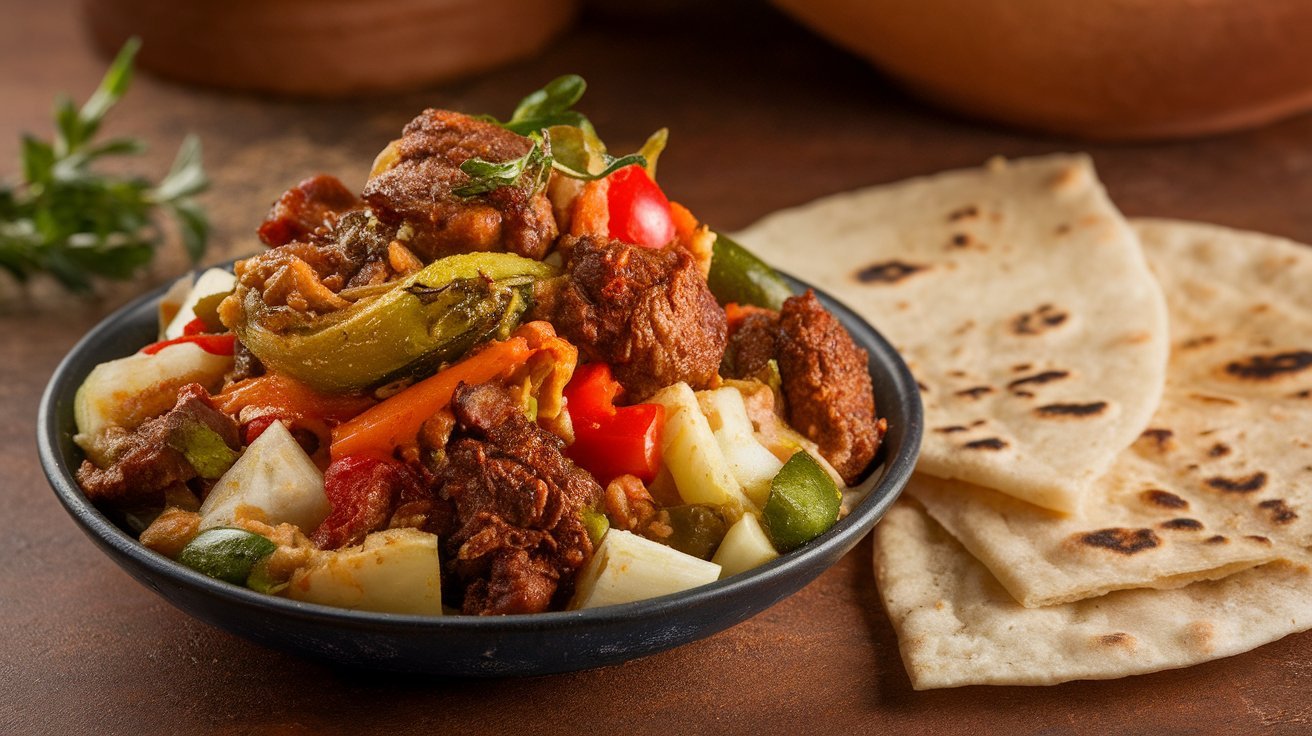
Kouskousi is an intriguing food term that can create confusion because its spelling closely resembles couscous, while some culinary sources use similar names for small, round Greek pasta. In 2026, searches for Kouskousi can therefore lead to several different explanations.
The most important point is that Kouskousi does not have one universally documented meaning in English-language culinary references. Some recent sources use it as a spelling associated with North African couscous, while others describe a small Greek pasta traditionally used in soups, stews, and home-style dishes.
Understanding this distinction helps explain why recipes and descriptions found online may not always agree. The safest approach is to identify the regional context, ingredients, and cooking instructions before assuming that every food called Kouskousi is the same.
What Is Kouskousi?
The meaning of Kouskousi depends on context. Some online sources describe it as another spelling or rendering of couscous, the famous North African food made from small semolina granules. Other sources use Kouskousi or related Greek terms for tiny pasta pieces made from wheat or durum-wheat semolina.
Traditional North African couscous is produced from semolina and water, with the tiny granules traditionally prepared by steaming. It is commonly served alongside vegetables, legumes, meat, fish, or flavorful sauces.
The Greek pasta interpretation is different in an important practical way. It is generally cooked like pasta, often by boiling it or cooking it directly in broth or a dish. The small pieces can absorb surrounding flavors while retaining a soft but slightly chewy texture.
This difference is why the word Kouskousi should not automatically be treated as a precise synonym for couscous.
Kouskousi and Its Connection to Couscous
The similarity between Kouskousi and couscous is the primary reason for the confusion.
Couscous has a long and well-documented culinary history in North Africa, particularly among communities in countries including Morocco, Algeria, Tunisia, and Mauritania. UNESCO added the knowledge and practices related to the production and consumption of couscous to its Representative List of the Intangible Cultural Heritage of Humanity in 2020.
Traditional couscous is not simply a grain like rice. It is a wheat-based food made from semolina, and its traditional preparation involves forming small granules and steaming them.
Kouskousi, however, may refer to a different regional food depending on the source. Some Greek culinary references describe a tiny pasta that resembles small beads or grains. It can be used in soups, vegetable dishes, stews, salads, and baked meals.
Therefore, the visual resemblance between the foods should not be taken as proof that they are prepared identically.
Greek Kouskousi: The Small Pasta Tradition
One of the most interesting interpretations of Kouskousi is its connection with Greek cuisine, particularly regional cooking in northern Greece and Thrace.
Greek Kouskousi may appear as tiny, round or irregular pasta pieces made primarily from wheat flour or semolina. Depending on the recipe or producer, additional ingredients can vary. Some descriptions mention combinations involving water, salt, milk, or eggs.
Its small size makes it particularly practical in traditional home cooking. Kouskousi can be cooked in broth, incorporated into soups, mixed with vegetables, or combined with meat and sauces. Because the pieces are small, they readily take on the flavor of the liquid in which they are cooked.
The food is also associated with traditional household pasta-making practices. Regional Greek families historically prepared various forms of homemade pasta, dried them, and stored them for later meals. Kouskousi fits into this broader tradition of practical, preserved pasta foods.
How Is Kouskousi Cooked?
The correct cooking method depends on which Kouskousi product you have purchased.
If the product is Greek-style small pasta, it is generally prepared more like ordinary pasta. It may be boiled in salted water or cooked directly in broth, soup, tomato sauce, or another liquid-based dish. The small pieces are particularly useful in recipes where the pasta can absorb surrounding flavors.
North African couscous follows a different traditional preparation. Traditional couscous is associated with steaming, although commercially produced instant couscous can often be prepared simply by adding hot liquid and allowing it to absorb the moisture.
For this reason, anyone buying a package labeled Kouskousi should read the manufacturer’s cooking instructions. The name alone does not always tell you whether the product should be steamed or boiled.
A simple Greek-style preparation can include Kouskousi, vegetable or chicken broth, onions, herbs, vegetables, and a little olive oil. The pasta can also be combined with chickpeas, lentils, tomato-based sauces, or cooked greens for a satisfying meal.
Taste, Texture, and Popular Uses
Kouskousi generally has a mild wheat flavor, allowing it to work well with strongly seasoned ingredients. Its small size also gives it a distinctive texture.
Greek-style Kouskousi can have a slightly chewy pasta-like bite, particularly when it is cooked carefully rather than overcooked. Because the pieces are small, they can become tender relatively quickly.
Common culinary applications include:
- Soups and broths
- Vegetable dishes
- Meat stews
- Bean and chickpea recipes
- Tomato-based meals
- Warm pasta salads
- Baked dishes
- Simple side dishes
The North African couscous interpretation has an even broader culinary range. Couscous can be served with vegetables, chickpeas, lamb, chicken, fish, dried fruit, nuts, herbs, and aromatic spices.
The versatility of these foods is one reason similar names continue to appear in modern Mediterranean and international cooking.
Kouskousi Nutrition and Dietary Considerations
Because Kouskousi can describe different products, its nutritional profile depends on the exact food.
Traditional wheat-based Kouskousi and couscous are primarily sources of carbohydrates and also provide some protein. Their nutritional value can change significantly depending on portion size and what they are served with.
Adding vegetables, legumes, nuts, seeds, or lean protein can create a more nutritionally varied meal. On the other hand, rich sauces, large quantities of oil, or heavily processed additions can substantially change the nutritional content of a dish.
Another important consideration is gluten. Traditional Kouskousi and couscous made from wheat semolina are not naturally gluten-free. People with celiac disease, wheat allergy, or gluten sensitivity should carefully check product labels and choose an appropriate certified alternative when necessary.
It is also important not to assume that a product described online as Kouskousi has identical ingredients to another product with the same name. Packaging information remains the best guide for ingredients and allergens.
Kouskousi vs. Couscous: What Is the Difference?
The simplest comparison is based on preparation and regional context.
North African couscous is traditionally a steamed semolina food with deep cultural roots across the Maghreb. It is frequently served as a base for vegetables, meat, legumes, or flavorful stews. UNESCO documentation emphasizes the cultural knowledge and practices associated with its production and consumption.
Greek Kouskousi, where the term refers to the small pasta, is generally treated more like a pasta product. It can be boiled or simmered in broth and used in soups and other everyday dishes.
The two foods can look similar, and their names may have related linguistic histories, but appearance alone does not make them the same product.
This distinction is especially useful when following recipes. Using a pasta-style Kouskousi in a recipe designed for traditional steamed couscous can produce a very different texture and cooking result.
Frequently Asked Questions About Kouskousi
Is Kouskousi the same as couscous?
Not always. Some sources use Kouskousi as a spelling associated with couscous, while Greek culinary sources can use similar terminology for a small pasta. The context matters.
Is Kouskousi a type of pasta?
In the Greek culinary interpretation, yes. It can refer to a small, round pasta made from wheat or semolina and cooked similarly to other pasta.
Does Kouskousi contain gluten?
Traditional wheat-based Kouskousi generally contains gluten. Always check the package if you need a gluten-free product.
How do you cook Kouskousi?
Cooking depends on the product. Greek-style Kouskousi is generally boiled or simmered, while traditional North African couscous is associated with steaming. Follow the specific package directions whenever available.
What can you serve with Kouskousi?
It can be paired with vegetables, legumes, meat, fish, herbs, sauces, broth, and spices. Its mild flavor makes it suitable for many different meals.
Conclusion
Kouskousi is a fascinating food term because it sits at the intersection of several Mediterranean and North African culinary traditions. In some online contexts, it is presented as another spelling for couscous, while Greek culinary sources use related terminology for a small pasta product.
The distinction is important. Traditional North African couscous has a well-established cultural history and is traditionally prepared through steaming, while Greek-style Kouskousi can be cooked like small pasta in soups, broths, and other dishes.
For anyone exploring Kouskousi in 2026, the best approach is to look beyond the name. Check the regional context, ingredients, preparation method, and product instructions. Whether you encounter it as a tiny Greek pasta or in connection with North African couscous, the term ultimately points toward a rich family of wheat-based foods with impressive culinary versatility.
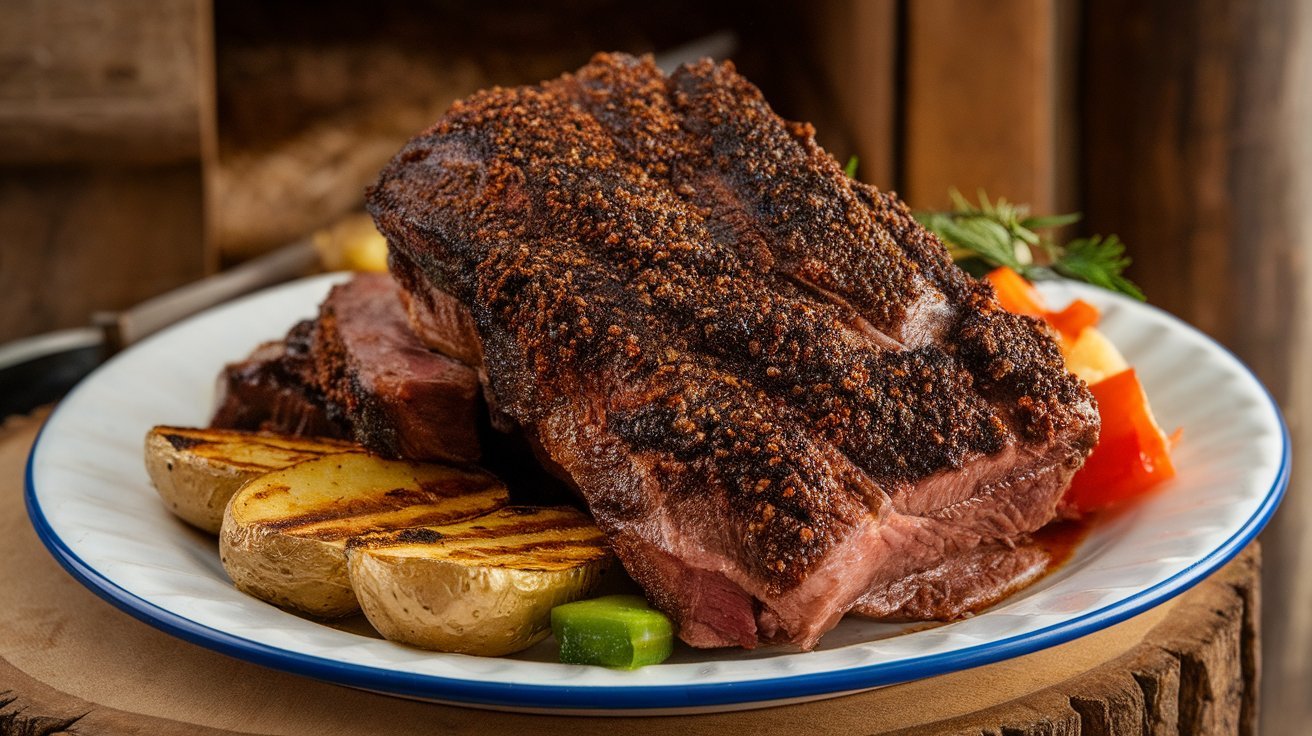
When searching for the best asado negro near me, we are usually looking for more than simply a plate of beef. We are looking for the deep, sweet, savory flavor that makes Venezuelan asado negro such a memorable dish. Traditionally prepared with a beef roast that is slowly browned and simmered in a rich sauce, asado negro combines caramelized sugar, aromatic vegetables, spices, and tender beef into one intensely flavorful meal.
However, finding a restaurant that serves an excellent version is not always easy. Fortunately, we can recreate the experience at home with the right ingredients, cooking technique, and patience. This guide explains how to prepare authentic-style asado negro, how to develop its characteristic dark sauce, what cuts of beef work best, and how to serve the finished dish for a restaurant-quality experience.
What Is Asado Negro?
Asado negro is a classic Venezuelan beef dish known for its exceptionally dark, glossy sauce and combination of sweet, savory, acidic, and aromatic flavors. The name literally refers to the dark appearance created when the beef is deeply browned and combined with a caramelized sauce.
The dish is traditionally made with a beef roast, often a cut that benefits from extended cooking. The meat is first seared until deeply browned. A mixture of sugar or papelón, onions, garlic, peppers, and other seasonings is then used to build the sauce. The beef cooks slowly in the liquid until it becomes tender enough to slice easily.
One of the most important characteristics of asado negro is balance. It should not taste simply sweet or simply salty. Instead, the caramelized notes should complement the beef while the aromatics and acidic ingredients keep the sauce rich without becoming heavy.
For anyone searching for the best asado negro near me, understanding these characteristics makes it easier to recognize a well-prepared version at a Venezuelan restaurant or prepare an impressive homemade alternative.
Ingredients for the Best Asado Negro Recipe
To prepare approximately six servings, we can use the following ingredients:
- 2.5 to 3 pounds beef roast
- 1/2 cup brown sugar or grated papelón
- 2 tablespoons vegetable oil
- 1 large onion, finely chopped
- 5 garlic cloves, minced
- 1 red bell pepper, finely chopped
- 1 green bell pepper, finely chopped
- 2 tablespoons Worcestershire sauce
- 1/3 cup red wine vinegar
- 1 cup beef broth
- 1 cup red wine or additional beef broth
- 2 bay leaves
- 1 teaspoon ground cumin
- 1/2 teaspoon dried oregano
- Salt and freshly ground black pepper
- 1 tablespoon tomato paste
- Optional: a small amount of panela, piloncillo, or dark brown sugar for additional depth
The exact ingredients can vary between families and regions. Nevertheless, the combination of deep caramelization, aromatic vegetables, acidity, and slow-cooked beef is what gives the dish its recognizable character.
How to Make Asado Negro Step by Step
1. Prepare the Beef
We begin by patting the beef completely dry with paper towels. This step matters because excess moisture can prevent proper browning. Season the roast generously with salt and black pepper, allowing the seasoning to penetrate the surface before cooking.
A suitable heavy-bottomed Dutch oven or large pot works particularly well because it distributes heat evenly and retains enough heat for slow cooking.
2. Create the Dark Caramelized Exterior
Heat the oil over medium-high heat. Add the sugar and allow it to melt carefully. As it begins to darken, watch it closely because sugar can burn quickly.
We want a deep mahogany-brown caramel color, not a completely black, bitter mixture. Once the caramel reaches the appropriate stage, carefully add the seasoned beef and brown it on multiple sides.
This is one of the most important stages of the recipe. The dark exterior contributes substantially to the distinctive color and flavor of asado negro.
3. Build the Aromatic Sauce
After browning the beef, remove it temporarily from the pot. Add the onion, garlic, and bell peppers to the same cooking vessel. Cook them until they become soft and fragrant.
Next, stir in the tomato paste, cumin, oregano, Worcestershire sauce, and vinegar. Scraping the browned pieces from the bottom of the pot helps incorporate the concentrated flavors created during searing.
The vinegar provides acidity that balances the sweetness of the caramelized sugar. Meanwhile, the onions and peppers add natural sweetness and complexity.
4. Slowly Cook the Beef
Return the beef to the pot and add the beef broth and red wine. The liquid should come partway up the sides of the roast rather than completely submerge it.
Add the bay leaves, cover the pot, and reduce the heat to low. Allow the beef to simmer slowly for approximately two and a half to three and a half hours, depending on the size and cut.
Turn the beef occasionally so that it cooks evenly. The sauce should gradually become darker, thicker, and more concentrated as the meat becomes tender.
We should avoid rushing this stage. Low and slow cooking allows connective tissue to soften while giving the sauce time to develop its characteristic richness.
How to Get a Deep, Rich Asado Negro Sauce
The sauce is arguably the heart of this dish. A successful sauce should be dark, glossy, concentrated, and balanced.
If the sauce remains too thin after the beef becomes tender, remove the meat and simmer the liquid uncovered for several minutes. This reduces excess moisture and intensifies the flavor.
For an especially smooth sauce, we can strain or blend the cooked vegetables before returning the sauce to the pot. However, leaving some of the softened vegetables intact creates a more rustic presentation.
The biggest mistake is allowing the caramel to become burnt. Dark does not mean bitter. We want layers of caramelized flavor rather than scorched sugar.
It is also important to taste the sauce before serving. If it is excessively sweet, a small amount of vinegar can restore balance. If it is too acidic, a little additional caramelized sugar can soften the sharpness.
How to Serve Asado Negro Like a Restaurant
Once the beef is tender, allow it to rest for approximately 10 to 15 minutes before slicing. Cutting the roast immediately can cause valuable juices to escape.
Slice the beef across the grain into moderately thin pieces. Arrange the slices on a serving platter and spoon the dark caramelized sauce generously over the top.
Traditional accompaniments can include white rice, fried plantains, mashed potatoes, or Venezuelan-style side dishes. Rice is particularly useful because it absorbs the rich sauce without competing with the beef.
For a restaurant-style presentation, we can place several slices of beef over a bed of rice, drizzle the sauce around and over the meat, and add golden fried plantains on the side.
The contrast between tender beef, dark sauce, fluffy rice, and sweet plantain creates a satisfying combination of textures and flavors.
Tips for Finding the Best Asado Negro Near Me
When searching for best asado negro near me, we should look beyond photographs or star ratings. A good version should have tender beef, a noticeably caramelized flavor, and a sauce that tastes balanced rather than overwhelmingly sweet.
A Venezuelan restaurant that prepares the dish traditionally may offer asado negro as a special, weekend dish, or family-style entrée rather than as an everyday menu item. Calling ahead can therefore be worthwhile.
We should also look for descriptions mentioning slow-cooked beef, caramelized sauce, papelón, plantains, rice, and traditional Venezuelan preparation. These details can provide useful clues about the style of dish being served.
If a restaurant version inspires a particular flavor preference, the same principles can be adapted at home. We can make the sauce sweeter, more acidic, spicier, or more savory according to personal taste while preserving the essential character of asado negro.
Common Mistakes to Avoid
Several small mistakes can prevent us from achieving the best result. First, insufficient browning can leave the finished dish lacking depth. Second, burning the sugar can introduce an unpleasant bitterness that is difficult to correct.
Another common problem is cooking the beef at excessively high heat. Asado negro benefits from gentle, extended cooking, especially when using a tougher beef roast. Finally, slicing the meat with the grain can make an otherwise tender roast seem chewy.
We should also avoid adding too much liquid at the beginning. A concentrated sauce is one of the defining features of the dish, so excessive liquid can dilute its flavor.
Frequently Asked Questions
What cut of beef is best for asado negro?
A beef roast with enough connective tissue to benefit from slow cooking is generally a good choice. Chuck-style or similar roasting cuts can work particularly well.
Why is asado negro so dark?
Its deep color comes primarily from intense browning and caramelization, combined with the reduction of the cooking sauce.
Is asado negro supposed to be sweet?
It has a noticeable sweetness, but authentic-style preparation should balance that sweetness with savory aromatics and acidity. The final flavor should be rich and complex rather than dessert-like.
Can we make asado negro without red wine?
Yes. Beef broth can replace the wine. A little additional vinegar can also help maintain the acidity and balance normally contributed by wine.
How long should asado negro cook?
Cooking time depends on the beef cut and size, but approximately 2½ to 3½ hours over low heat is a useful starting point for a large roast.
What should we serve with asado negro?
White rice and fried plantains are excellent choices. Potatoes, vegetables, or other Venezuelan-inspired sides can also complement the rich sauce.
Conclusion
The best asado negro near me does not have to remain a restaurant-only experience. With a good beef roast, careful caramelization, aromatic vegetables, balanced acidity, and slow cooking, we can prepare a deeply flavorful Venezuelan-inspired meal at home.
The key is patience. Proper browning establishes the foundation, while slow simmering transforms the beef and concentrates the sauce. When served with rice and sweet plantains, the result is a memorable combination of savory beef, caramelized sweetness, and rich aromatic sauce.
Whether we discover a favorite Venezuelan restaurant or prepare the dish ourselves, asado negro remains an excellent choice for anyone who enjoys slow-cooked beef and bold, layered flavors. The recipe rewards attention to detail, making it especially suitable for family meals, celebrations, and occasions when we want to serve something genuinely distinctive.


 Celebrity4 months ago
Who Is Susan Cohan? The Untold Story of Lauren Cohan’s Mother
- Celebrity3 months ago
Who Is Richard Skelton Jr? The Heartbreaking Story of Red Skelton’s Son
- Celebrity3 months ago
Mark Zettel: A Comprehensive Biography, Career Journey, Family Life, and Lasting Legacy
- Business3 months ago
IndexSP: .INX – Complete Guide to the S&P 500 Index, Market Performance, and Investment Insights (2026)
- Business3 months ago
Travel Tweaks Offers: The Complete 2026 Guide to Smarter Travel Savings and Better Experiences
- Tech3 months ago
Get in Touch on TurboGeek.org: The Complete 2026 Guide to Contacting TurboGeek Support, Community, and Editorial Team
- Sports4 months ago
NewsNow Liverpool: Latest Liverpool FC News, Transfers, Fixtures & Live Updates
- Business3 months ago
Latest News MyGreenBucks.net (2026): Complete Guide to Updates, Features, Financial Insights, and What Users Should Know