Drinks
Babeltee: Meaning, Uses, Tea Connection, Fashion, and Online Identity in 2026

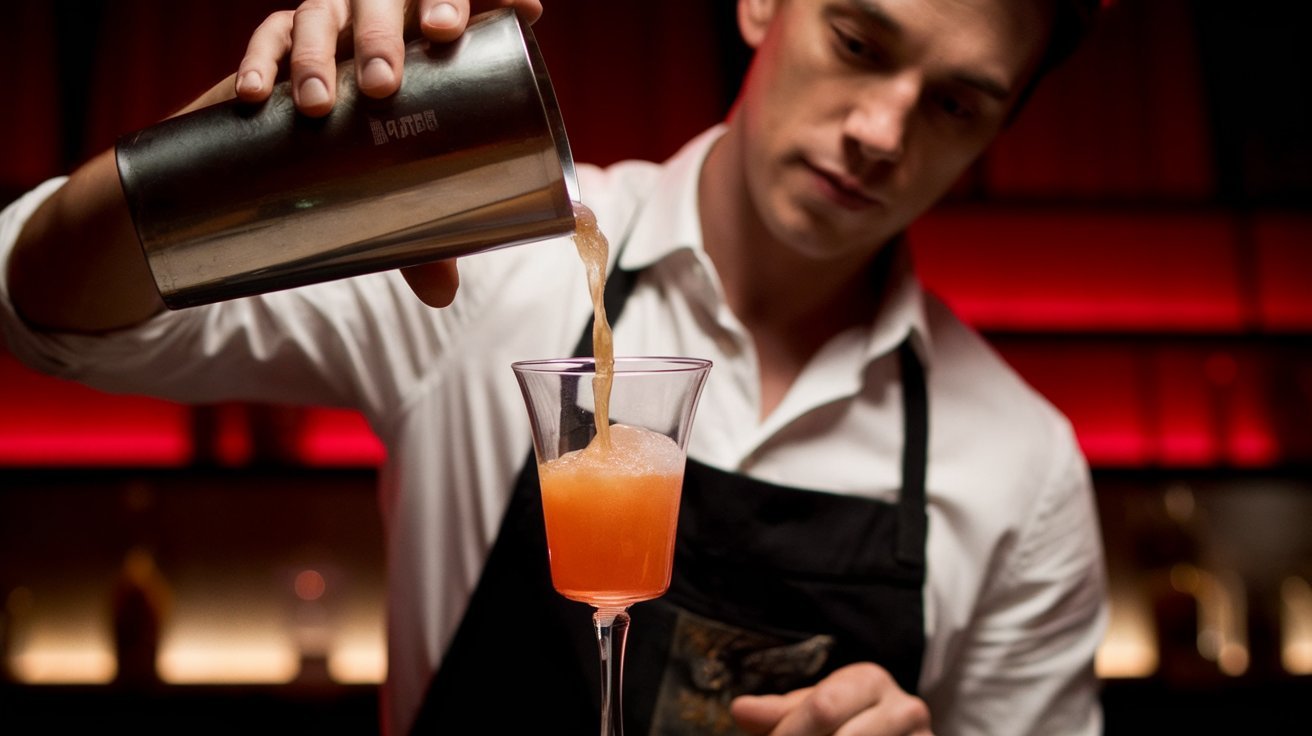
Babeltee is an unusual internet term that has attracted attention in 2026 because it does not have one universally accepted definition. Depending on where people encounter the word, Babeltee may be associated with customizable tea drinks, bubble tea, T-shirts and fashion, online branding, or simply a newly created digital name.
That makes Babeltee different from established terms such as green tea, milk tea, bubble tea, or T-shirt. Current online results show several competing interpretations rather than one authoritative product or category. Recent discussions particularly connect Babeltee with customizable tea beverages, while other sources associate the name with apparel and online branding.
Understanding this distinction is important for anyone searching for Babeltee in 2026. Instead of assuming that every website is discussing the same thing, it is more useful to examine the different meanings and identify what is documented and what remains uncertain.
What Is Babeltee?
Babeltee is best understood as an emerging, context-dependent online term. It does not currently appear to have a single standardized definition, established dictionary meaning, or universally recognized product category.
In food and beverage discussions, several websites describe Babeltee as a creative tea-based drink concept. These descriptions commonly mention tea combined with ingredients such as fruit, milk, herbs, spices, sweeteners, ice, or optional toppings. However, the descriptions vary considerably, and there is no confirmed standard recipe that defines every drink called Babeltee.
The word also appears in fashion-related contexts. In this interpretation, “tee” can refer to a T-shirt, making Babeltee a possible name for clothing, graphic apparel, or a fashion-oriented online brand. One current Babeltee website presents the term in connection with T-shirts and modern apparel.
Therefore, the meaning depends heavily on context. A person reading about beverages may understand Babeltee as a tea concept, while someone visiting a fashion website may encounter it as an apparel identity.
Babeltee and the Bubble Tea Connection
One of the most common questions is whether Babeltee is another name for bubble tea.
There is an obvious visual and phonetic similarity between the two terms. Both contain the word “tea,” while “Babel” can resemble a creative alteration of “bubble.” This similarity may explain why many online articles connect Babeltee with bubble tea.
However, there is currently no strong evidence that Babeltee is an officially recognized alternative name for bubble tea. Recent sources repeatedly describe the relationship as an interpretation or emerging online association rather than a documented historical fact.
Bubble tea itself has a recognizable beverage identity, while Babeltee does not yet have the same level of standardization. Consequently, the two terms should not automatically be treated as interchangeable.
If a website uses Babeltee to describe a beverage containing tea, fruit, milk, and boba-style toppings, that represents that source’s interpretation. It does not establish an official definition for the term.
Babeltee as a Customizable Tea Concept
The beverage interpretation of Babeltee generally focuses on personalization. Instead of following one rigid formula, a Babeltee-style drink can be presented as a combination of different tea bases, flavors, and optional additions.
Potential components described in current online discussions include:
- Black tea
- Green tea
- Herbal tea
- Fruit
- Milk or plant-based milk
- Natural or conventional sweeteners
- Herbs and spices
- Ice
- Tapioca pearls or other toppings
The important point is that these ingredients are descriptions found in online interpretations, not an officially established Babeltee ingredient list. Recent sources explicitly note that the term does not currently have one fixed recipe.
This flexibility is potentially part of the appeal of the term. A person could use Babeltee as a name for a personalized tea creation without claiming that there is a traditional formula behind it.
From a search perspective, this also explains why different pages can describe Babeltee differently. Without an agreed recipe, writers have considerable freedom to interpret the concept.
Babeltee as a Fashion and T-Shirt Term
Another important meaning appears outside the beverage world.
Some online sources connect Babeltee with fashion, T-shirts, graphic apparel, and personal expression. In this context, “tee” is understood as an informal term for a T-shirt rather than a reference to tea.
The fashion interpretation can include concepts such as:
- Graphic T-shirts
- Creative designs
- Casual clothing
- Streetwear
- Personal expression
- Custom apparel
- Online fashion branding
This interpretation demonstrates why searching only for a food-related definition can be misleading.
A person looking for Babeltee merchandise could be interested in clothing rather than beverages. Conversely, someone searching the term after seeing it in a food article may have no interest in apparel.
There is also no strong evidence that every website using the Babeltee name belongs to one organization. The same unusual keyword can be adopted independently by different websites, writers, or businesses.
Babeltee.com and Its Online Presence
Another confirmed use of the term is Babeltee.com. Current search results indicate that the website’s visible content is not primarily focused on tea. Instead, its articles include time-calculation content, such as explanations of what time it was a certain number of hours ago.
This is an important distinction because the existence of an exact-match domain does not automatically establish what Babeltee means as a word.
A domain owner can choose an invented, memorable, or distinctive name for almost any type of online project. Therefore, Babeltee.com does not by itself prove that Babeltee is a beverage brand, clothing company, or traditional tea concept.
The online footprint in 2026 is instead fragmented. Some sources discuss tea, some discuss fashion, and Babeltee.com currently has a different content focus. This makes context especially important for readers researching the term.
Why Is Babeltee Becoming Popular Online?
The growing interest in Babeltee appears to be connected to the way new internet terms spread across search engines, blogs, social media, and branding.
Unusual words can attract attention precisely because people do not immediately understand them. Once several websites begin publishing explanations, the keyword can acquire multiple interpretations. Current results demonstrate this process clearly: some sources call Babeltee a tea concept, others connect it with bubble tea, and others discuss fashion or digital branding.
This does not necessarily mean there is one rapidly expanding global product called Babeltee. Instead, the available evidence suggests that the keyword itself is developing an online identity.
For readers, the best approach is to check the context, identify the website or business using the term, and avoid assuming that every reference points to the same product.
Frequently Asked Questions About Babeltee
Is Babeltee a real word?
Babeltee is a term used online, but it does not currently have one universally accepted dictionary definition. Its meaning depends on the context in which it appears.
Is Babeltee the same as bubble tea?
Not necessarily. Babeltee and bubble tea are not established as interchangeable terms. Their similarity may explain the connection, but current evidence does not establish Babeltee as the official name of bubble tea.
Does Babeltee have a standard recipe?
No universally recognized recipe has been established. Online beverage descriptions may include tea, fruit, milk, herbs, sweeteners, spices, and toppings, but these combinations vary between sources.
Can Babeltee refer to clothing?
Yes. Some online sources use Babeltee in a fashion and T-shirt context, where “tee” refers to a T-shirt rather than a beverage.
Is Babeltee a brand?
The name is used in different online contexts, including websites and fashion-related discussions. However, current search results do not establish one universally recognized Babeltee brand responsible for every use of the name.
Where did Babeltee originate?
The exact origin remains uncertain. Current online sources do not establish a verified inventor, original recipe, or definitive place where the term was first created.
Final Thoughts
Babeltee is an interesting example of how an unfamiliar word can develop multiple meanings online. In 2026, it appears in discussions involving tea, customizable drinks, bubble tea, fashion, T-shirts, branding, and websites, but these uses should not automatically be treated as one unified product or company.
The strongest conclusion from current information is that Babeltee is an emerging and context-dependent term. Its beverage interpretation generally describes a customizable tea concept, while its fashion interpretation can use “tee” to refer to clothing. Meanwhile, Babeltee.com currently has a separate online identity centered on time-related content.
For anyone researching the keyword, the most reliable approach is to examine where the term appears and who is using it. Until a recognized definition, standardized product, or authoritative origin becomes established, claims about Babeltee should be presented carefully rather than as settled facts.

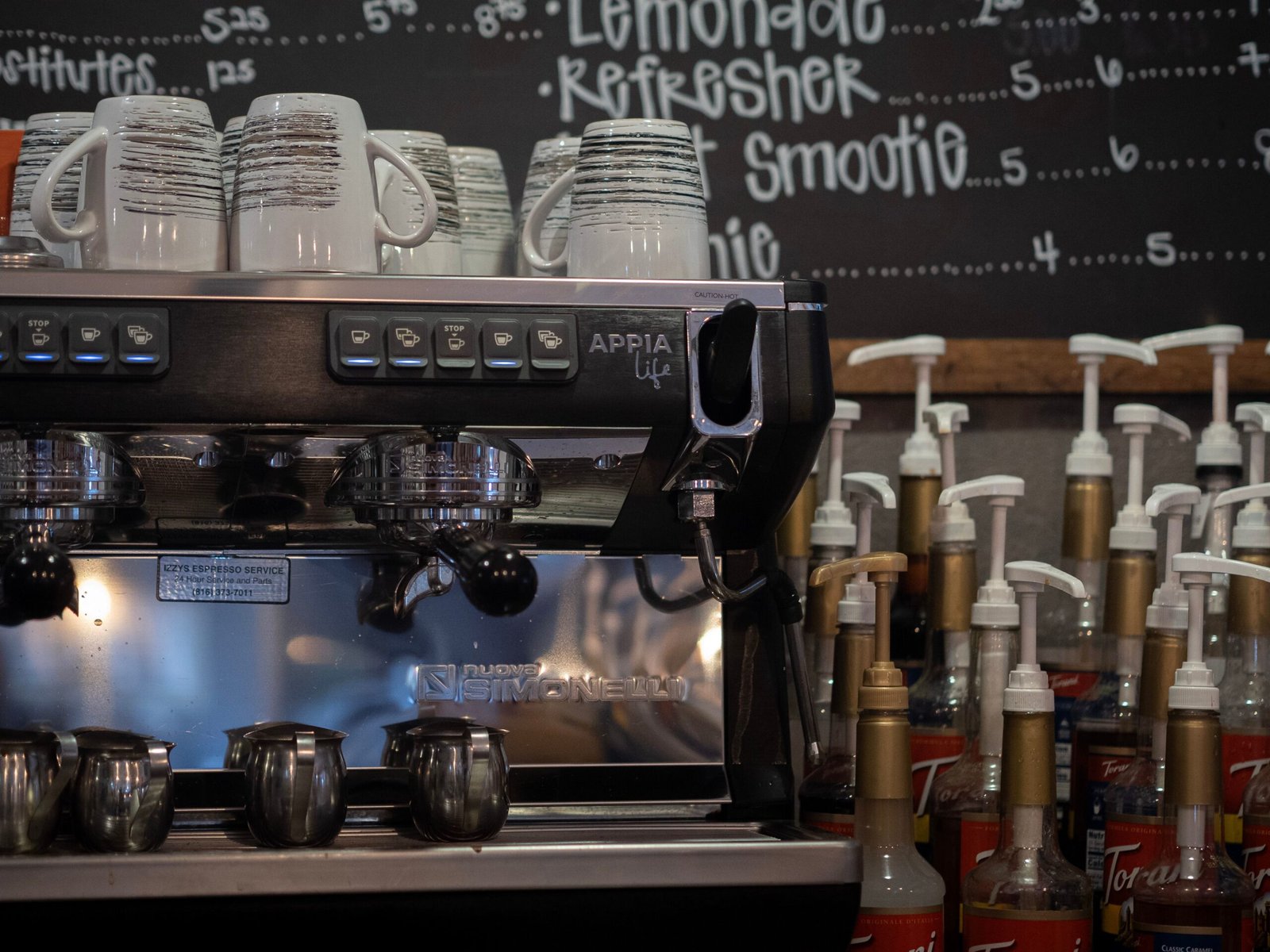
The 7 Brew menu has become a popular choice for coffee lovers who want flavorful drinks, convenient drive-thru service, and endless opportunities to customize their beverages. Known for its energetic atmosphere and extensive drink combinations, 7 Brew offers much more than traditional coffee. Customers can explore signature espresso drinks, classic coffee favorites, energy drinks, teas, chai, matcha, lemonades, sparkling sodas, smoothies, and creamy shakes.
In 2026, the 7 Brew menu continues to attract attention because customers can personalize drinks according to their preferred flavors, sweetness levels, milk choices, and toppings. Whether we want a strong morning coffee, a refreshing afternoon drink, or a sweet treat, the menu offers options for different tastes and occasions.
Understanding the main categories, signature drinks, customization options, and pricing considerations can make ordering easier, especially for first-time visitors. This guide covers the essential details of the 7 Brew menu, including popular drinks, sugar-free options, and tips for choosing a beverage that matches our preferences.
What Is 7 Brew? Understanding the Coffee Brand
7 Brew Coffee is a drive-thru beverage brand founded in 2017 in Northwest Arkansas. Its business model focuses on handcrafted drinks, convenient service, and a friendly customer experience. Rather than concentrating exclusively on conventional coffee, the company offers a broad selection of beverages that can be personalized with different flavors and ingredients.
One of the brand’s defining features is customization. Customers can select from established signature drinks or build their own combinations using available flavorings, sweetness adjustments, milk alternatives, espresso additions, and toppings. According to the official website, the menu supports thousands of possible drink combinations. <Cite refs={[“turn515028search4″,”turn515028search2”]}/>
The drive-thru format makes 7 Brew convenient for customers who want a quick beverage while commuting, attending school, running errands, or meeting friends. Its menu also accommodates people who do not drink traditional coffee, with options such as lemonades, smoothies, shakes, and caffeine-free sparkling drinks.
Because selections and promotions may vary by location, checking the current official menu is the best way to confirm availability before visiting.
Complete 7 Brew Menu: Main Drink Categories
The 7 Brew menu in 2026 includes several major categories, each offering a different drinking experience. Understanding these choices helps us select a beverage based on flavor, temperature, caffeine preferences, and desired sweetness.
1. 7 Originals: These signature drinks are among the brand’s best-known offerings. The Blondie combines caramel and vanilla in a breve-style coffee, while the Brunette pairs hazelnut and caramel with a mocha. The Smooth 7 combines white chocolate and Irish cream flavors. Other established favorites include White Chocolate Mocha, Cinnamon Roll, German Chocolate, and Triple 7. These drinks can be served in different preparations, including hot, iced, or blended options where available. <Cite refs={[“turn515028search12″,”turn515028search0”]}/>
2. 7 Classics: Customers who prefer familiar coffeehouse beverages can choose from classics such as lattes, mochas, breves, caramel macchiatos, cappuccinos, and house coffee. These options are suitable for people who enjoy traditional espresso flavors and want to customize them with additional syrups.
3. 7 Energy: This category features the brand’s signature energy drinks, available in original and sugar-free versions. Customers can personalize them with fruity flavors to create a refreshing alternative to coffee. Since energy drinks contain caffeine, checking serving information is important for anyone monitoring their daily intake.
4. 7 Fizz Sodas: These sparkling, caffeine-free drinks combine fizzy soda-style refreshment with available flavor choices. They can be a good alternative for people who want a colorful, fruity drink without coffee.
5. Teas, Chai, and Matcha: This category includes tea selections, chai lattes, and matcha beverages. These choices appeal to customers who prefer tea-based flavors or want an alternative to espresso.
6. Lemonades, Smoothies, and Shakes: Lemonades offer a sweet-and-tart refreshment, smoothies provide fruit-based options, and shakes deliver a creamy, dessert-inspired experience. These categories also offer opportunities to explore different flavors and toppings.
The exact selection may change as the brand introduces featured drinks and seasonal offerings. <Cite refs={[“turn515028search0″,”turn515028search2”]}/>
Popular 7 Brew Drinks and Flavor Combinations
Choosing a drink becomes easier when we understand the flavors behind the most recognizable menu items. The Blondie is a useful starting point for customers who enjoy caramel and vanilla with a creamy coffee base. The Brunette appeals to those who prefer a richer combination of hazelnut, caramel, and chocolate.
The Smooth 7 is another option for customers who enjoy white chocolate and Irish cream flavors. Those who prefer chocolate-focused beverages may enjoy the White Chocolate Mocha or German Chocolate, while the Cinnamon Roll offers a combination inspired by brown sugar, cinnamon, and white chocolate.
For customers who do not want coffee, fruity energy drinks, flavored lemonades, sparkling 7 Fizz drinks, and smoothies provide alternatives. A strawberry smoothie, for example, offers a fruit-forward experience, while a flavored lemonade may suit someone looking for a refreshing drink on a warm day.
Customers can also experiment with combinations that match their personal tastes. Caramel and vanilla are familiar choices for sweet coffee, while coconut and fruit flavors may work well in selected noncoffee drinks. The best combination depends on the beverage base and the flavors available at the local stand.
Rather than ordering several unfamiliar additions at once, we can begin with one signature drink and gradually explore other options.
7 Brew Menu Prices in 2026: What Do Drinks Cost?
The 7 Brew menu prices depend on the location, drink category, serving size, and any additional ingredients. There is no single nationwide price that applies to every drink at every stand. The official 7 Brew support page confirms that prices can vary slightly by location and recommends checking the local stand’s menu for current pricing. <Cite refs={[“turn515028search1”]}/>
Coffee drinks, energy drinks, teas, lemonades, smoothies, and shakes may have different prices. Additional espresso shots, specialty toppings, or other customizations may also affect the final cost, depending on the location’s pricing policy.
For an accurate estimate, we should check the menu at our nearest 7 Brew location before ordering. Online price lists can be helpful for general reference, but they may be outdated or reflect a different market.
Customers who want to manage their spending can choose a simpler drink, compare available sizes, and ask whether optional additions carry extra charges. The best value is not always the largest beverage; it is the drink that matches our taste preferences and budget.
Seasonal promotions and limited-time offers may also be available. Since these deals can have specific dates and participation requirements, we should confirm the details through official channels rather than assuming that a promotion is available everywhere.
How to Customize Your 7 Brew Order
Customization is one of the biggest reasons customers explore the 7 Brew menu. The brand allows customers to adjust several aspects of eligible drinks, making it easier to create a beverage that suits their preferences. <Cite refs={[“turn515028search0″,”turn515028search1”]}/>
Choose the temperature and preparation. Depending on the drink, we may be able to order it hot, iced, or blended. A hot latte suits customers who enjoy a warm coffee, while an iced drink can be refreshing in warmer weather.
Adjust the sweetness. Available options may include reduced sweetness, regular sweetness, or extra sweetness. Customers who find flavored coffee too sweet can ask for less syrup, while those who prefer dessert-like drinks can explore richer combinations.
Select a milk option. Dairy milk, oat milk, almond milk, or coconut milk may be available, depending on the location and beverage. Anyone with a milk allergy should confirm ingredients and preparation practices with staff.
Add flavors and toppings. Customers can explore available syrups, whipped cream, cold foam, and chocolate or caramel drizzles. Not every topping is suitable for every drink, so it helps to ask which additions work best.
Consider sugar-free options. 7 Brew offers selected sugar-free flavors, and its official support information states that all seven Originals can be made using sugar-free flavors. However, sugar-free flavoring does not automatically make the entire beverage sugar-free or calorie-free. <Cite refs={[“turn515028search1”]}/>
By customizing one or two elements at a time, we can discover a preferred order without making the drink unnecessarily complicated.
Best 7 Brew Drinks for Different Preferences
The best drink on the 7 Brew menu depends on what we enjoy and what we want from the experience.
For coffee lovers, the Blondie, Brunette, latte, or mocha can provide familiar starting points. Those who enjoy a stronger coffee taste may prefer a less-sweet classic beverage, while customers who like creamy flavors can explore breves and signature drinks.
For fruity drink fans, 7 Energy, lemonade, smoothies, and 7 Fizz offer different combinations of sweetness and refreshment. Customers should remember that energy drinks contain caffeine, while 7 Fizz is presented by the brand as a caffeine-free soda option.
For people seeking tea-based beverages, chai, matcha, and available hot or iced teas provide alternatives to espresso. Tea and matcha may still contain caffeine, so checking the drink details is worthwhile.
For customers looking for lower-sugar choices, a less-sweet coffee or a drink made with suitable sugar-free flavorings may be appropriate. The overall nutritional content depends on the base, serving size, milk, and additions, so customers with specific dietary goals should request current information.
For those who prefer caffeine-free drinks, options may include 7 Fizz, selected lemonades, smoothies, shakes, hot cocoa, and other eligible beverages. Availability varies, and ingredients should be confirmed when necessary. <Cite refs={[“turn515028search1″,”turn515028search12”]}/>
Conclusion: Why the 7 Brew Menu Is Worth Exploring
The 7 Brew menu in 2026 offers a wide selection of drinks for customers who enjoy classic coffee, signature flavors, energy drinks, teas, chai, matcha, lemonades, sparkling sodas, smoothies, and shakes. Its focus on customization makes it possible to personalize many beverages according to sweetness, milk preferences, flavors, and toppings.
Whether we choose a caramel-and-vanilla Blondie, a chocolate-forward mocha, a fruity energy drink, or a refreshing lemonade, the best approach is to start with our preferred flavors and explore additional combinations gradually.
Before visiting, check the official menu and local pricing, confirm seasonal availability, and ask staff about ingredients when dietary needs are important. With its diverse drink categories and flexible ordering options, 7 Brew offers plenty of ways to discover a new favorite beverage.
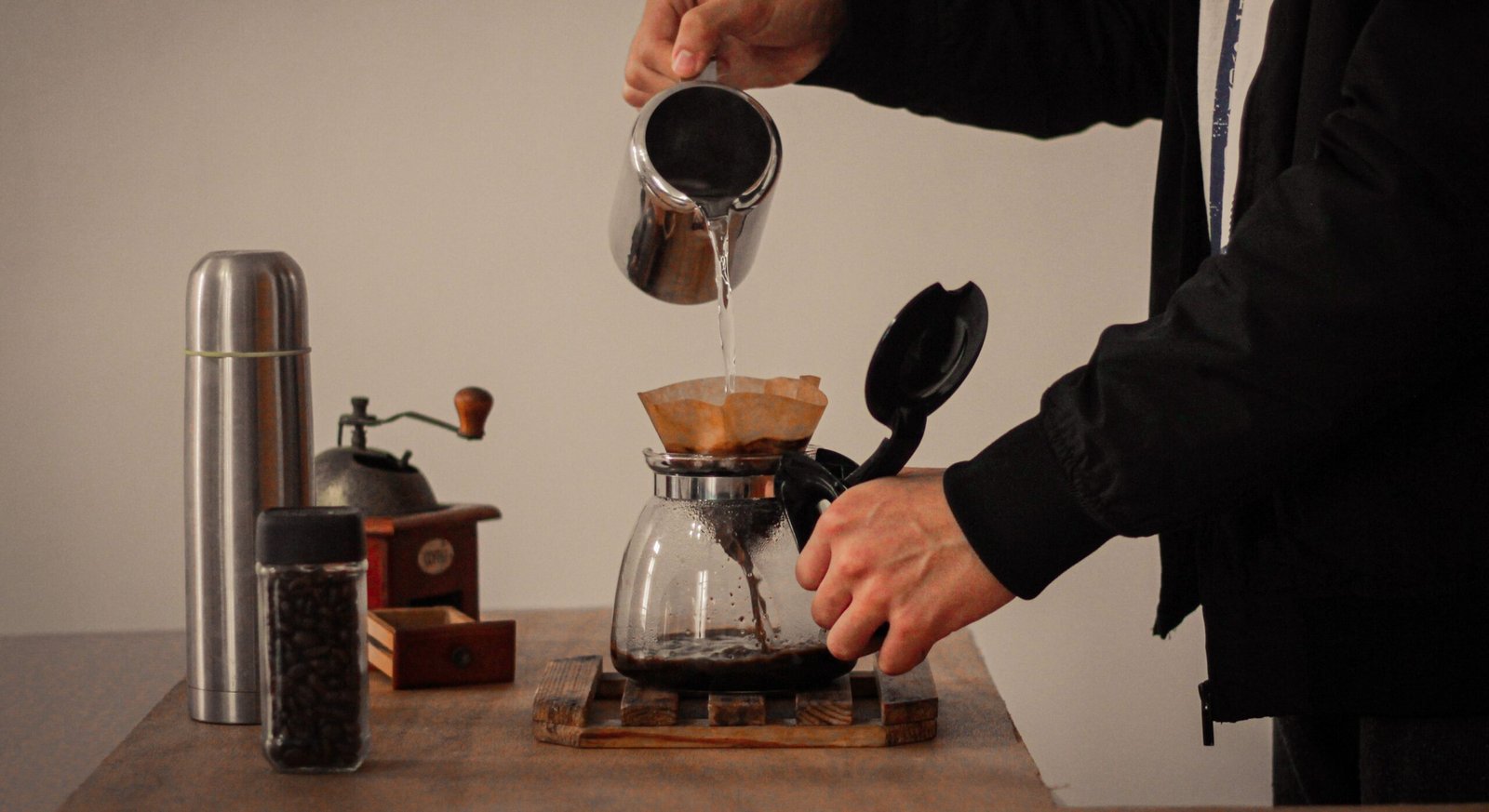
Learning how to brew pour over coffee is one of the best ways to enjoy a fresh, flavorful cup at home. This manual brewing method gives us greater control over water temperature, coffee-to-water ratio, pouring speed, and extraction time. With the right technique, we can highlight the natural sweetness, aroma, acidity, and unique flavor notes of different coffee beans.
Whether we are beginners exploring specialty coffee or experienced coffee drinkers looking to improve our brewing routine, pour over coffee offers a simple and rewarding experience. We do not need an expensive espresso machine or complicated equipment. A dripper, paper filter, freshly ground coffee, hot water, and a suitable brewing vessel are enough to get started.
In this complete 2026 pour over coffee guide, we will explain the equipment, ideal measurements, step-by-step brewing process, common mistakes, and practical techniques for making a consistently delicious cup.
1. What Is Pour Over Coffee and Why Is It Popular?
Pour over coffee is a manual brewing method in which hot water passes through ground coffee held inside a filter. Gravity draws the extracted coffee into a cup or carafe below, producing a clean and aromatic drink.
Unlike automatic coffee makers, pour over brewing allows us to control nearly every important variable. We can adjust how much water we use, how quickly we pour, how finely we grind the beans, and how long the coffee takes to brew.
One major advantage of this method is its ability to highlight subtle flavor characteristics. Light-roasted beans may reveal floral, citrus, or berry notes, while medium-roasted coffee can offer chocolate, caramel, or nutty flavors. The final taste depends on the beans, roast level, water, grind size, and brewing technique.
Pour over coffee is also popular because it requires relatively little equipment and creates minimal waste when paired with reusable filters. Paper filters typically remove much of the coffee’s sediment and some oils, resulting in a lighter-bodied cup than many unfiltered brewing methods.
Popular pour over brewers include the Hario V60, Kalita Wave, and Chemex. Each design influences water flow and extraction, but the basic brewing principles remain similar.
2. Essential Equipment for Brewing Pour Over Coffee
Before we learn how to brew pour over coffee, we should gather the right equipment. Good tools make the process easier, although technique and coffee quality matter more than buying expensive accessories.
Pour over dripper: Holds the filter and ground coffee. Choose a brewer that matches your preferred serving size and brewing style.
Paper or reusable filter: Captures coffee grounds and influences the final texture. Always use a filter designed for your brewer.
Fresh coffee beans: Whole beans generally retain their aroma better than pre-ground coffee when stored properly.
Burr grinder: Produces relatively consistent coffee particles, helping us achieve more even extraction.
Digital scale: Measures coffee and water accurately for repeatable results.
Gooseneck kettle: Provides better control over the direction and speed of pouring.
Thermometer or temperature-controlled kettle: Helps maintain a suitable water temperature.
Coffee cup or carafe: Collects the finished brew.
We should also use clean, good-tasting water. Since brewed coffee consists primarily of water, unpleasant tap-water flavors can affect the final result.
A digital scale is particularly valuable because measuring coffee by weight is more consistent than using tablespoons or scoops.
3. The Best Coffee-to-Water Ratio, Grind Size, and Temperature
Three important variables determine how well pour over coffee extracts: coffee-to-water ratio, grind size, and water temperature.
A reliable starting point is a 1:16 coffee-to-water ratio. This means using one gram of coffee for every 16 grams of water.
For example:
| Coffee | Water | Approximate serving |
|---|---|---|
| 15 g | 240 g | One small cup |
| 20 g | 320 g | One generous cup |
| 30 g | 480 g | Two servings |
These measurements refer to the total brewing water, not the final beverage volume.
For most pour over methods, a medium-fine to medium grind is a useful starting point. The ideal setting depends on the brewer, filter, coffee, and pouring technique. A V60 often benefits from a medium-fine grind, while other brewers may work better with a slightly different setting.
Water temperature also affects extraction. A practical starting range for many coffees is 90–96°C (194–205°F). Lighter roasts may benefit from the higher end of this range, while darker roasts may taste better with somewhat cooler water.
If coffee tastes sour, weak, or underdeveloped, we may need finer grounds, hotter water, or a longer extraction. If it tastes harsh, excessively bitter, or drying, coarser grounds or slightly cooler water may help.
We should change one variable at a time so that we can identify which adjustment improves the flavor.
4. How to Brew Pour Over Coffee Step by Step
Recommended starting recipe: 20 g coffee, 320 g water, approximately 2:30–3:30 total brew time.
Follow these steps to prepare a balanced cup of pour over coffee at home.
Step 1: Prepare the filter and brewer
Place the appropriate filter inside the dripper. Rinse it with hot water to remove possible paper flavors and warm the brewing equipment. Discard the rinse water before adding coffee.
Step 2: Weigh and grind the coffee
Measure 20 grams of whole coffee beans and grind them to a medium-fine consistency suitable for your brewer. Add the grounds to the filter and gently level the coffee bed.
Step 3: Bloom the coffee
Start a timer and pour approximately 50–60 grams of water evenly over the grounds. Allow the coffee to bloom for about 30–45 seconds. Fresh coffee releases carbon dioxide, and this initial wetting helps prepare the grounds for more even extraction.
Step 4: Continue pouring gradually
Pour the remaining water in slow, controlled circles, aiming to wet the coffee evenly without pouring directly against the filter walls. You can divide the water into two or three pours, allowing the water level to fall slightly between them.
Step 5: Let the coffee drain
Allow the remaining water to pass through the coffee bed. A total brew time of roughly 2:30–3:30 is a reasonable starting point for this recipe, although the ideal time varies by brewer, grind size, and technique.
Step 6: Serve and enjoy
Remove the dripper, swirl the coffee gently if brewing into a carafe, and allow it to cool slightly before tasting. As coffee cools, its aromas and flavor characteristics often become easier to distinguish.
5. Common Pour Over Coffee Mistakes and How to Avoid Them
Even when we follow a recipe, small mistakes can affect the final cup. Understanding these issues helps us improve consistency.
Using an inconsistent grind: Uneven particles can extract at different rates. A burr grinder generally produces more consistent results than a basic blade grinder.
Pouring too quickly: Water may flow through the coffee bed unevenly, leading to inconsistent extraction. A controlled pour helps distribute water more evenly.
Skipping the bloom: Fresh grounds can release substantial carbon dioxide when first exposed to hot water. Skipping the bloom may make even wetting more difficult, especially with freshly roasted beans.
Using the wrong ratio: Too much coffee can produce a concentrated brew, while too little may create a weak cup. Start with a 1:16 ratio and adjust according to preference.
Ignoring water quality: Strong chlorine odors or unpleasant mineral flavors can affect the drink. Use clean water with a balanced mineral composition suitable for coffee brewing.
Changing several variables at once: If we simultaneously change the grind, temperature, ratio, and pouring method, it becomes difficult to determine what caused the difference. Make adjustments gradually.
Finally, do not judge coffee only by its brewing time. A brew that drains in three minutes is not automatically better than one that takes two minutes and 45 seconds. Taste is the most useful guide, supported by consistent measurements.
6. Expert Tips for Better-Tasting Pour Over Coffee
Once we understand the basics, a few additional habits can improve the quality of every cup.
First, buy freshly roasted beans from a reliable supplier and store them in an airtight container away from direct sunlight, heat, and moisture. Whole beans usually preserve their aroma better than ground coffee.
Second, match the recipe to the roast. Light-roasted coffee can be more difficult to extract and may benefit from hotter water or a slightly finer grind. Darker coffee often extracts readily and may taste smoother with a coarser grind or cooler water.
Third, maintain a consistent pouring pattern. Keep the kettle close enough to the coffee bed to control the stream without disturbing the grounds excessively. Avoid repeatedly pouring against the filter walls, where water may bypass much of the coffee.
Fourth, clean the dripper, carafe, kettle, and grinder regularly. Residual coffee oils can become stale and introduce unwanted bitterness into future brews.
Finally, keep a simple brewing record. Note the coffee variety, roast date, grind setting, water temperature, ratio, and total brewing time. These details help us repeat successful recipes and make purposeful adjustments.
7. Frequently Asked Questions About Pour Over Coffee
How much coffee should we use for one cup?
A good starting point is 15–20 grams of coffee for 240–320 grams of water. The exact amount depends on serving size and preferred strength.
How long should pour over coffee take?
Many recipes finish in approximately two and a half to four minutes, but the ideal duration varies with the brewer, grind, and pouring method.
Can we make pour over coffee without a gooseneck kettle?
Yes. A regular kettle works, although a gooseneck kettle generally makes it easier to control the flow and distribute water evenly.
Is pour over coffee stronger than drip coffee?
It can be, depending on the coffee-to-water ratio and extraction. Both methods can produce excellent coffee, and strength is not determined by brewing method alone.
Should we use boiling water?
Water straight off the boil may be suitable for some light-roasted coffees, but it can be too hot for others. Starting around 90–96°C and adjusting according to taste is a practical approach.
Conclusion
Learning how to brew pour over coffee is a straightforward way to improve our daily coffee routine. By selecting quality beans, using a reliable coffee-to-water ratio, choosing an appropriate grind size, controlling water temperature, and pouring carefully, we can produce a clean, aromatic, and balanced cup at home.
The best starting recipe is 20 grams of coffee to 320 grams of water, with a 30–45-second bloom and a total brewing time of approximately 2:30–3:30. From there, we can adjust the recipe to suit different beans and personal preferences.
Ultimately, excellent pour over coffee comes from fresh ingredients, consistent technique, and careful tasting. With a little practice, every brew becomes an opportunity to discover new flavors and enjoy better coffee.


 Celebrity4 months ago
Who Is Susan Cohan? The Untold Story of Lauren Cohan’s Mother
- Celebrity3 months ago
Who Is Richard Skelton Jr? The Heartbreaking Story of Red Skelton’s Son
- Celebrity3 months ago
Mark Zettel: A Comprehensive Biography, Career Journey, Family Life, and Lasting Legacy
- Business3 months ago
IndexSP: .INX – Complete Guide to the S&P 500 Index, Market Performance, and Investment Insights (2026)
- Business3 months ago
Travel Tweaks Offers: The Complete 2026 Guide to Smarter Travel Savings and Better Experiences
- Tech3 months ago
Get in Touch on TurboGeek.org: The Complete 2026 Guide to Contacting TurboGeek Support, Community, and Editorial Team
- Sports4 months ago
NewsNow Liverpool: Latest Liverpool FC News, Transfers, Fixtures & Live Updates
- Business3 months ago
Latest News MyGreenBucks.net (2026): Complete Guide to Updates, Features, Financial Insights, and What Users Should Know