
Blog
Auto Hyundai Elantra 2006: Complete Guide, Specs, Features, Maintenance and Buying Advice


The 2006 Hyundai Elantra remains an interesting choice for drivers looking for an affordable, practical, and relatively simple used car. As an older compact Hyundai, it combines a four-cylinder engine, front-wheel drive, useful interior space, and straightforward mechanical construction. Today, the condition of an individual vehicle matters much more than its age alone, but a well-maintained Elantra 2006 can still serve as economical daily transportation.
The model was offered in four-door sedan and five-door hatchback configurations, depending on market. Contemporary specifications show the U.S.-market car using a 2.0-liter four-cylinder engine, while output and equipment varied by configuration and emissions specification.
2006 Hyundai Elantra Overview
The Auto Hyundai Elantra 2006 belongs to the compact-car category and was designed around affordability, practicality, and everyday usability. Its front-wheel-drive layout provides predictable handling, while the four-cylinder engine keeps the vehicle relatively straightforward to maintain.
The owner’s documentation identifies the Elantra as a vehicle requiring regular maintenance at manufacturer-specified intervals, with more frequent servicing recommended under severe driving conditions.
For buyers considering an older Elantra today, this maintenance history is particularly important. A car that has received consistent oil changes, cooling-system service, brake maintenance, and suspension repairs can be a much better purchase than a lower-mileage example that has been neglected.
Engine, Performance and Transmission
The 2006 Elantra is commonly associated with a 2.0-liter four-cylinder engine. Edmunds lists 138 horsepower and 136 lb-ft of torque for the 2006 model, with a five-speed manual or four-speed automatic transmission.
This powertrain is designed primarily for everyday transportation rather than high-performance driving. Acceleration is generally adequate for city traffic, while highway performance depends heavily on vehicle condition and transmission choice.
A manual transmission can appeal to drivers who prefer greater control over gear selection and potentially simpler mechanical operation. The automatic version offers greater convenience, particularly for urban driving.
When inspecting a used example, we should pay close attention to engine noises, oil leaks, exhaust smoke, overheating, transmission engagement, and warning lights. These checks can reveal problems that are more significant than cosmetic imperfections.
Fuel Economy and Practicality
Fuel economy is one reason compact cars such as the Elantra remain attractive as used vehicles. Contemporary data for the 2006 sedan lists approximately 21 mpg city and 29 mpg highway, although actual consumption varies according to transmission, driving conditions, maintenance, traffic, tire condition, and driving style.
The Elantra also provides useful passenger and cargo capacity for a compact car. The hatchback configuration is particularly practical because its folding rear seats and larger cargo opening make it more versatile for groceries, luggage, equipment, and everyday errands. Edmunds lists approximately 20.1 cubic feet of cargo capacity for the hatchback.
The sedan provides a traditional trunk and remains a sensible option for drivers who prioritize conventional passenger-car styling.
Interior, Comfort and Features
The 2006 Hyundai Elantra interior focuses on functionality rather than modern luxury. Depending on trim and equipment, buyers could find features such as power windows, power door locks, air conditioning, cruise control, adjustable steering, and an available upgraded interior.
Modern buyers should remember that this is a vehicle from the mid-2000s. It will not provide the connectivity, large infotainment screens, advanced driver-assistance systems, or smartphone integration commonly found in newer vehicles.
However, that simplicity can be an advantage. A used Elantra can be easier to understand and repair than a newer vehicle packed with complicated electronic systems.
The five-passenger cabin also makes the car useful for commuting, family transportation, and routine urban driving. Before purchasing, it is worth checking the condition of the seats, dashboard, door panels, air-conditioning system, power accessories, and instrument cluster.
Safety Features and What to Check Today
Safety equipment on the 2006 Elantra included front and side airbags, while available braking and traction equipment varied by configuration. Contemporary crash-test information reported strong results in several frontal and side-impact government tests, although the IIHS assessment identified weaknesses in side-impact protection.
Because safety technology has advanced considerably since 2006, buyers should not evaluate an older Elantra using the same expectations applied to a current vehicle.
Before buying, we should verify that the airbags, seat belts, brakes, lights, tires, and other safety equipment are functioning correctly. A professional inspection is especially valuable when purchasing a car that is nearly two decades old.
It is also important to check the vehicle identification number for applicable recalls and confirm that any required recall work has been completed.
Maintenance and Common Inspection Points
Maintenance is arguably the most important consideration when buying a Hyundai Elantra 2006 today. The owner’s manual emphasizes following scheduled maintenance and notes that severe operating conditions may require more frequent service.
Important inspection areas include:
- Engine oil and leaks
- Cooling system and evidence of overheating
- Belts, hoses, and fluids
- Transmission operation
- Brake pads, rotors, and brake fluid
- Suspension components
- Steering components
- Tires and wheel condition
- Battery and charging system
- Air-conditioning performance
- Exhaust system
- Rust and corrosion
- Electrical accessories
The manufacturer’s documentation also provides specifications for engine oil and other fluids, demonstrating why using the correct maintenance products and service procedures is important.
Because individual examples have now accumulated many years of use, maintenance records are often more valuable than a seller’s verbal claims. A vehicle with documented servicing gives buyers a clearer picture of how it has been treated.
Is the 2006 Hyundai Elantra Still Worth Buying?
A 2006 Hyundai Elantra can still be worth considering when its price reflects its age and its mechanical condition is good. Its biggest strengths are its compact dimensions, practical cabin, four-cylinder powertrain, front-wheel-drive layout, and generally straightforward design.
The biggest disadvantage is simply age. Rubber components, suspension parts, seals, electrical components, cooling-system components, and other wear items can deteriorate even when mileage is not exceptionally high.
Therefore, the best purchase is not necessarily the cheapest Elantra available. Instead, we should look for an example with good maintenance records, clean ownership history, sound mechanical condition, and a thorough inspection.
Buyers should also compare the cost of necessary repairs with the vehicle’s overall market value. Spending a reasonable amount to maintain a well-kept car can make sense, while purchasing a neglected example can quickly become expensive.
Frequently Asked Questions About the Hyundai Elantra 2006
What engine does the 2006 Hyundai Elantra have?
The commonly documented U.S.-market Elantra uses a 2.0-liter four-cylinder engine. Output is listed around 138 horsepower in contemporary Edmunds information, with some variations depending on emissions specification and configuration.
Is the 2006 Elantra fuel efficient?
For its period, the Elantra offered reasonable compact-car fuel economy. Contemporary sedan figures are approximately 21 mpg city and 29 mpg highway, although real-world results vary.
**Does the 2006 Hyundai Elantra come as a hatchback?
Yes. The model was available as both a four-door sedan and five-door hatchback, depending on market and configuration.
Is a 2006 Elantra good for daily driving?
A properly maintained example can still work well as a daily commuter or practical second car. Its suitability depends heavily on mechanical condition because of the vehicle’s age.
What should we inspect before buying one?
We should inspect the engine, transmission, brakes, suspension, tires, cooling system, electrical equipment, air conditioning, rust, and maintenance history. A professional pre-purchase inspection is strongly recommended.
How long can a 2006 Hyundai Elantra last?
There is no single guaranteed lifespan. Longevity depends on maintenance, driving conditions, mileage, repairs, corrosion, and previous ownership. A carefully maintained example can remain useful well beyond its original warranty period.
Final Thoughts
The auto Hyundai Elantra 2006 represents a straightforward generation of compact transportation that can still have value in the used-car market. Its four-cylinder engine, practical dimensions, available hatchback body style, and relatively simple mechanical design make it appealing to buyers seeking inexpensive transportation.
At the same time, nearly two decades of age means condition should be the deciding factor. Checking maintenance records, inspecting major mechanical systems, confirming safety equipment, and obtaining a professional inspection can dramatically reduce the risk of an expensive purchase.
For buyers who find a well-maintained 2006 Hyundai Elantra at a sensible price, the model can remain a practical choice for everyday transportation—especially when expectations are based on what an older compact car can realistically provide rather than on the technology of a modern vehicle.

The FFA Creed is one of the most important traditions of the National FFA Organization. It expresses the beliefs, values, and responsibilities of students involved in agricultural education. Through its message, members learn about the importance of agriculture, personal responsibility, leadership, hard work, and serving their communities.
Written by E.M. Tiffany, the FFA Creed has inspired generations of agricultural students since it became an official part of the organization in 1930. Its five paragraphs explain why agriculture matters and how individuals can contribute to a stronger future through knowledge, determination, and responsible actions.
Whether you are a new FFA member, preparing for a Creed Speaking competition, or simply interested in agricultural education, understanding the FFA Creed can help you appreciate its meaning. This guide explores its history, author, five main beliefs, importance, and practical tips for memorizing it.
What Is the FFA Creed?
The FFA Creed is a five-paragraph statement that explains the fundamental beliefs of the National FFA Organization. It focuses on agriculture, leadership, personal achievement, economic independence, fairness, and community responsibility. Each paragraph begins with the words “I believe,” emphasizing the importance of personal commitment.
The Creed encourages students to recognize agriculture as an essential part of society. It also reminds members that success requires more than positive thinking; it depends on hard work, practical knowledge, and meaningful contributions.
For FFA members, the Creed is more than a traditional statement to memorize. It represents a shared commitment to agricultural education, personal growth, and the development of future leaders.
Who Wrote the FFA Creed?
The FFA Creed was written by Erwin Milton Tiffany, commonly known as E.M. Tiffany. He was an agricultural educator who wanted to create a statement that clearly expressed the values and beliefs of the Future Farmers of America.
Tiffany wrote the original Creed in 1928, during the early development of the organization. It was officially adopted at the Third National FFA Convention in 1930, becoming an important part of FFA history and tradition.
The Creed was later revised at the 38th and 63rd National FFA Conventions. Although agricultural technology and education have changed considerably, its central message about responsibility, leadership, and the future of agriculture remains important.
What Are the Five Paragraphs of the FFA Creed About?
The FFA Creed contains five paragraphs, and each one communicates a different belief about agriculture and personal responsibility. Understanding the meaning behind each paragraph makes the statement easier to remember and explain.
1. Belief in the Future of Agriculture
The first paragraph expresses confidence in the future of agriculture and recognizes the achievements of previous generations. It explains that progress comes from practical work, dedication, and learning from past experiences.
Its central message is that agriculture can continue improving through innovation and hard work. Students are encouraged to respect agricultural traditions while contributing new ideas and better practices.
2. Appreciation for Agricultural Life
The second paragraph describes agricultural work as both rewarding and challenging. It recognizes that farming and other agricultural careers involve difficult conditions, responsibilities, and personal sacrifices.
At the same time, it highlights the satisfaction that comes from working in agriculture. The message encourages members to appreciate the experiences and relationships that make agricultural life meaningful.
3. Leadership, Knowledge, and Responsibility
The third paragraph focuses on personal leadership, self-confidence, and the importance of developing useful skills. It encourages individuals to think clearly, work efficiently, and gain the knowledge needed to contribute to agricultural progress.
It also emphasizes serving both personal and public interests. Successful agriculture depends on knowledgeable people who can produce, manage, and market agricultural products responsibly.
4. Independence, Fairness, and Prosperity
The fourth paragraph discusses economic independence, honest work, fairness, and helping others. It encourages people to develop the ability to support themselves instead of depending unnecessarily on others.
However, it also recognizes the importance of charity when assistance is genuinely needed. Its broader message is that personal success should be balanced with honesty, generosity, and consideration for other people.
5. Commitment to Community and Agriculture
The fifth paragraph expresses confidence in American agriculture and the individual’s ability to make a positive difference. It emphasizes that meaningful contributions can begin at home and extend throughout the wider community.
This final paragraph connects personal responsibility with a larger purpose. It reminds FFA members that their actions, values, and leadership can help strengthen the future of agriculture and society.
Why Is the FFA Creed Important to Students?
The FFA Creed plays an important role in agricultural education because it gives students a shared foundation of beliefs and values. Learning its message encourages members to think about the responsibilities associated with agriculture and their potential roles as future professionals.
One major benefit is leadership development. Students who practice explaining the Creed can improve their communication, public speaking, confidence, and ability to express ideas clearly.
The Creed also encourages personal responsibility and respect for hard work. For example, a student participating in an agricultural science project can apply its principles by conducting research, managing time, working with classmates, and presenting results honestly.
How to Memorize the FFA Creed Easily
Memorizing the FFA Creed can seem challenging at first because it contains five detailed paragraphs. However, breaking it into smaller sections and practicing consistently can make the process much easier.
Here are some practical memorization strategies:
- Learn one paragraph at a time: Focus on understanding and memorizing a single section before moving to the next.
- Understand the meaning: Learn what each paragraph communicates instead of memorizing unfamiliar words without context.
- Practice out loud: Reciting the Creed regularly helps improve pronunciation, confidence, and speaking ability.
- Record your voice: Listen to your recordings to identify missed words and areas that need improvement.
- Use short practice sessions: Spend 10 to 15 minutes practicing instead of trying to memorize everything in one sitting.
- Practice without reading: Once you feel comfortable, recite each paragraph from memory and check your accuracy afterward.
A helpful technique is to connect each paragraph with a keyword: agriculture, appreciation, leadership, independence, and community. These five ideas can serve as mental reminders when practicing the complete Creed.
What Is the FFA Creed Speaking Competition?
The FFA Creed Speaking Leadership Development Event is a competition that gives eligible students an opportunity to demonstrate their understanding of the Creed and their public speaking abilities. Participants memorize the official statement and present it before judges.
The event generally involves recitation, questions, and an evaluation of communication skills. Competition rules, eligibility requirements, and scoring procedures can vary depending on the state or event level.
Preparing for Creed Speaking helps students develop confidence, clear pronunciation, effective delivery, and the ability to explain important ideas. These skills are useful not only in FFA activities but also in future educational and professional situations.
Students interested in participating should review the current rules published by their state FFA association or the National FFA Organization.
How Does the FFA Creed Connect With Modern Agriculture?
Agriculture has changed significantly since the FFA Creed was written. Modern farming now includes precision technology, automated equipment, biotechnology, sustainable production methods, and advanced agricultural research.
Despite these developments, the Creed’s central principles remain relevant. Farmers, agricultural scientists, food producers, and agribusiness professionals still depend on hard work, education, leadership, and responsible decision-making.
For example, a modern farmer using GPS-guided machinery demonstrates how knowledge and innovation can improve agricultural efficiency. Similarly, students studying soil conservation or water management can put the Creed’s commitment to agricultural progress into practice.
Frequently Asked Questions About the FFA Creed
Who wrote the FFA Creed?
The FFA Creed was written by E.M. Tiffany, whose full name was Erwin Milton Tiffany. He developed it in 1928, and the National FFA Organization officially adopted it in 1930.
How many paragraphs are in the FFA Creed?
The official FFA Creed contains five paragraphs. Each paragraph communicates a different belief about agriculture, leadership, personal responsibility, economic independence, and community service.
When was the FFA Creed adopted?
The FFA Creed was officially adopted in 1930 at the Third National FFA Convention. It has remained an important part of FFA traditions ever since.
Why does every FFA member learn the Creed?
Learning the Creed helps members understand the organization’s values and agricultural mission. It also encourages leadership, confidence, responsibility, and appreciation for the agricultural industry.
Has the FFA Creed ever changed?
Yes. The Creed was revised at the 38th and 63rd National FFA Conventions. Its current five-paragraph version reflects those revisions.
What does the phrase “I believe” mean in the FFA Creed?
The repeated phrase represents personal commitment to the values expressed in the statement. It encourages members to turn their beliefs into positive actions and responsible behavior.
Can middle school students participate in FFA?
Yes. The National FFA Organization includes opportunities for middle school students, as well as high school members. Specific programs and eligibility requirements depend on the relevant FFA activities.
Final Thoughts
The FFA Creed is much more than a traditional statement in agricultural education. It represents a lasting commitment to hard work, leadership, personal responsibility, economic independence, and the future of agriculture.
Written by E.M. Tiffany and adopted in 1930, its five paragraphs continue to guide students as they develop agricultural knowledge and important life skills. Understanding its meaning can make memorization easier and help members appreciate the values behind every statement.
Whether you are preparing for a Creed Speaking competition or learning about the National FFA Organization for the first time, studying the FFA Creed is a valuable way to understand agriculture’s importance and the role future generations can play in improving it.
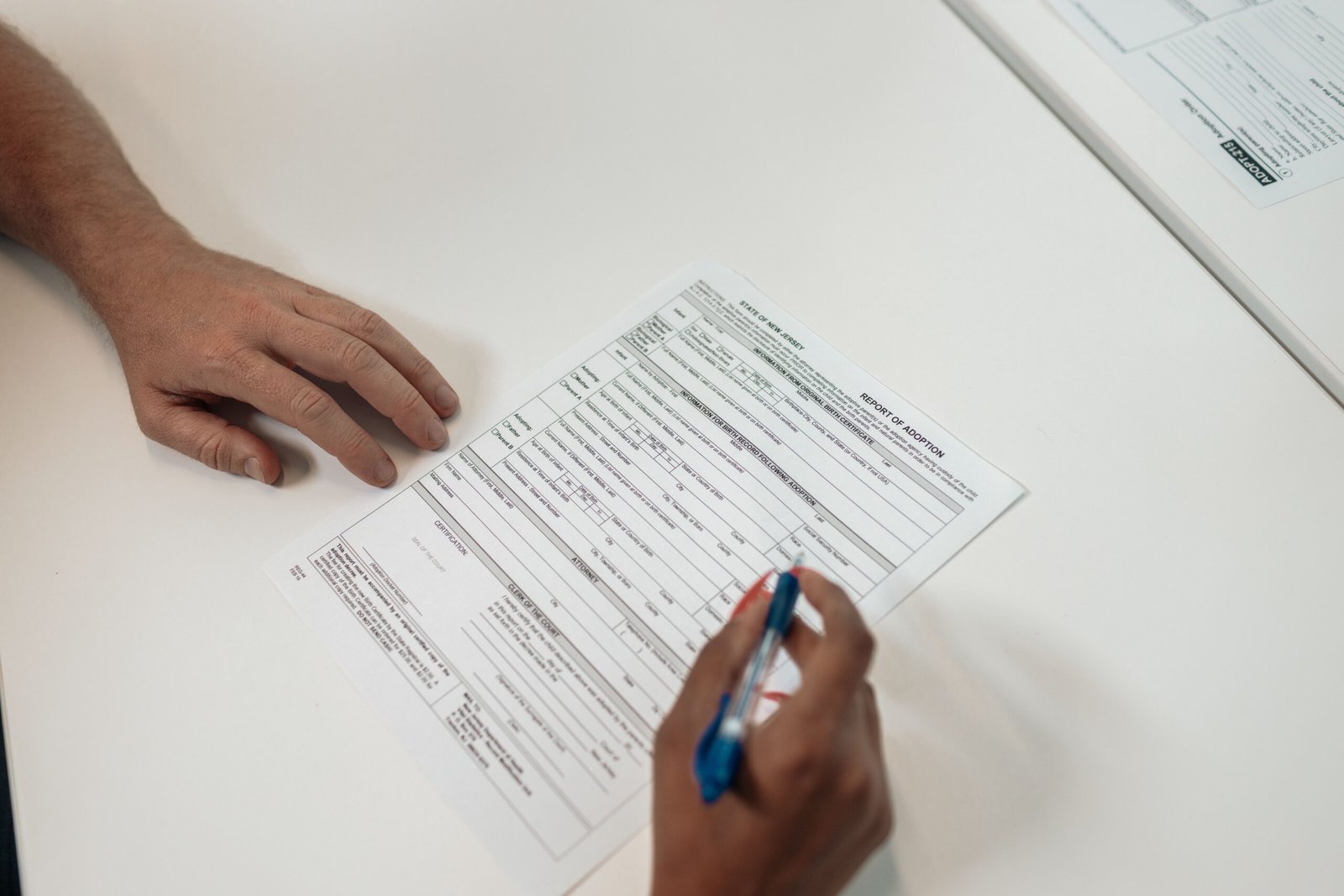
A DMV appointment is a scheduled visit to a Department of Motor Vehicles office for services such as getting a driver’s license, renewing an identification card, taking a driving test, or handling certain vehicle registration matters. Booking an appointment in advance can help you organize your visit and reduce unnecessary waiting. However, the services available and appointment requirements depend on the state where you live.
If you are searching for a DMV appointment online, the first step is to find your state’s official DMV or motor vehicle agency website. Many services can be completed online without visiting an office, while others require an in-person appointment. This guide explains how to schedule a DMV appointment, prepare the necessary documents, check availability, and manage an existing booking.
What Is a DMV Appointment?
A DMV appointment is a reservation for a specific service at a designated motor vehicle office. Depending on the state, appointments may be available for driver’s license applications, permit tests, license renewals, REAL ID applications, identification cards, and selected vehicle-related transactions. Some offices also offer appointments for commercial driver’s licenses and other specialized services.
The purpose of scheduling an appointment is to help organize customer visits and make the service process more predictable. However, an appointment does not guarantee that every transaction will be completed if required documents are missing or eligibility requirements are not met. Reviewing the instructions for your specific service before attending is essential.
How to Schedule a DMV Appointment Online
Most people begin by visiting the official website of their state’s motor vehicle agency. Since the United States does not have one nationwide DMV booking system, you must select the state responsible for your driver’s license or vehicle transaction. Avoid unofficial booking websites that may charge unnecessary fees for services available directly through the government.
Follow these general steps to schedule your DMV appointment:
- Visit your state’s official DMV or motor vehicle agency website.
- Select the service you need, such as a driver’s license renewal or driving test.
- Choose an office location that provides that service.
- Review the available dates and appointment times.
- Enter the requested information and confirm your booking.
- Save the confirmation number or email for your records.
The exact booking process varies by state, and some services require an application or pre-registration before scheduling. For example, Texas uses its official Department of Public Safety appointment scheduler for driver license services, while California provides a separate DMV appointment portal. Always follow the instructions on the official website for your state.
How to Find a DMV Appointment Near You
Finding a convenient DMV appointment location starts with identifying offices near your home or workplace. Use the official state agency website to search by city, ZIP code, or office location, then check which services each office provides. A nearby office may not offer every service, so confirm that it handles your particular transaction.
If your preferred office has no available appointments, check other eligible locations within a reasonable distance. You can also revisit the official scheduler later because cancellations may create new openings. Some states release appointments according to specific schedules, so reviewing the agency’s published booking rules can help you plan more effectively.
DMV Appointment for a Driver’s License
A driver’s license appointment may be necessary when applying for your first license, transferring an out-of-state license, updating certain personal details, or completing a transaction that requires an in-person visit. The precise requirements depend on the state, your age, driving history, and the type of license you need. Some renewals can be completed online or by mail instead.
Before booking, check whether you must complete an application, knowledge test, or other preliminary step. You may also need to provide proof of identity, residency, and other documents specified by the state. If a driving test is required, confirm whether it is scheduled through the DMV or a separate approved testing provider.
DMV Appointment for REAL ID
A REAL ID appointment may be needed if you are applying for a REAL ID-compliant driver’s license or identification card and your state requires an office visit. REAL ID is a federal identification standard implemented through state-issued licenses and identification cards. The documents required to obtain one can differ depending on your circumstances and state procedures.
Applicants commonly need documents establishing identity, Social Security number or acceptable alternatives, and residency, as specified by their state. Some applicants may also need documents supporting a legal name change. Use your state’s official REAL ID document checklist before attending because incomplete paperwork can delay the application.
DMV Appointment for License Renewal
A license renewal appointment may be necessary if your state requires an in-person visit or you are not eligible for online renewal. Some states permit eligible drivers to renew their licenses through an online portal, by mail, or through other approved methods. Checking eligibility first can save you time and help you avoid an unnecessary office visit.
If you must attend in person, review the expiration date, identification requirements, renewal fee, and any testing requirements that apply to your situation. Bring your current license and the additional documents requested by the state. If your license has already expired, check the official rules for your state before driving or arranging your visit.
DMV Appointment for a Driving Test
A driving test appointment is used to reserve a time for an examiner to assess your practical driving skills. Depending on the state, you may need to complete a learner’s permit process, meet a minimum practice requirement, or provide evidence of driver education before booking. Road tests may be scheduled through the DMV or an approved testing provider.
Before the test, confirm the required documents and whether you must provide a properly registered and insured vehicle. Check that the vehicle meets the testing location’s safety requirements and that the person accompanying you meets the applicable rules. Arriving prepared can help prevent cancellation or postponement because of missing paperwork or an unsuitable vehicle.
What Documents Should You Bring to a DMV Appointment?
The documents you need depend on the service you have booked and the state handling your request. Common examples include a current driver’s license or identification card, proof of identity, proof of residency, and relevant application forms. Certain transactions may also require proof of lawful status, a Social Security number, vehicle title documents, or insurance information.
Use the official document checklist for your appointment rather than relying on a general list alone. Check whether originals are required, whether copies are accepted, and whether documents must show your current legal name or address. Keeping your paperwork organized in a folder can make it easier to present the correct documents when requested.
What If No DMV Appointments Are Available?
Finding no available appointments can be frustrating, especially when you need to renew a license or complete a time-sensitive transaction. Start by checking whether the service can be completed online, by mail, or through another authorized channel. Your state’s official website should explain which alternatives are available for your particular situation.
You can also review nearby offices and check the booking system again for cancellations. Some states offer limited same-day appointments or walk-in services, while others restrict access to scheduled customers for particular transactions. Never assume that walk-ins are accepted everywhere; confirm the rules with the relevant agency before travelling.
How to Reschedule or Cancel a DMV Appointment
If you cannot attend your scheduled visit, use the official appointment system to review, cancel, or reschedule the booking. You may need your confirmation number, appointment identification, or other information used during the original reservation. Following the correct process helps prevent confusion and may allow another customer to use the released time slot.
When choosing a new appointment, check that the replacement date still meets any license expiration or application deadline that applies to you. Some states automatically cancel the original appointment when a rescheduled booking is confirmed. Keep the updated confirmation details and verify the new date, time, location, and service before leaving home.
How Early Should You Arrive for a DMV Appointment?
The recommended arrival time varies by state, office, and appointment type. Some agencies ask customers to arrive shortly before their scheduled time, while others provide specific check-in instructions. Review the confirmation email and official appointment guidance instead of assuming every office follows the same policy.
Allow extra time for parking, locating the correct office, and completing any required check-in steps. Bring your confirmation details and have your documents ready when you arrive. If you are taking a driving test, check the instructions carefully because vehicle inspections and document verification may be part of the process.
Can You Visit the DMV Without an Appointment?
Whether you can visit the DMV without an appointment depends on your state, office, and the service you need. Some agencies accept walk-ins or provide electronic queue tickets, while others require appointments for particular services. Even where walk-ins are permitted, waiting times and service availability may vary.
Check your state’s official website before visiting without a reservation. If the agency offers an online service or an appointment cancellation list, those options may be more convenient than travelling to an office and hoping to be served. Confirming the rules in advance can help you avoid an unnecessary trip.
Tips for Getting an Earlier DMV Appointment
If your preferred date is unavailable, consider searching multiple eligible office locations rather than checking only the nearest branch. Cancellations may open additional times, so checking the official scheduler periodically can be useful. If the state publishes information about when new appointments are released, use that guidance to plan your search.
Prepare your application details and documents before opening the scheduler so you can complete the process promptly when a suitable slot appears. Avoid paying an unverified third party that promises guaranteed access to government appointments. Use the official booking system and follow its stated procedures for availability, changes, and cancellations.
Common DMV Appointment Mistakes to Avoid
One common mistake is selecting the wrong service when booking an appointment. For example, a license renewal appointment may not cover a road test or a vehicle title transfer. Read the service description carefully and confirm that the selected office handles your transaction.
Another mistake is arriving without the necessary documents or relying on outdated information about office hours. Check your confirmation email, review the official checklist, and verify the location before leaving. Also, protect your personal information by using legitimate government websites rather than links from suspicious messages or advertisements.
Official DMV Appointment Websites
Because DMV services are administered at the state level, the correct booking website depends on where you need service. The following official resources can help you begin:
- California: California DMV Appointments
- Texas: Texas DPS Driver License Appointments
- Colorado: Colorado DMV Appointment Scheduling
- Virginia: Virginia DMV Appointments
- North Carolina: North Carolina DMV Driver License Appointments
- All US states and territories: USA.gov State Motor Vehicle Services
These resources provide official state-specific guidance. If your state is not listed above, use the USA.gov directory to locate the relevant motor vehicle agency and follow its instructions for scheduling an appointment.
Frequently Asked Questions About DMV Appointments
How do I book a DMV appointment online?
Visit your state’s official DMV website, select the required service, choose an eligible office, and select an available date and time. Enter the requested information and save your confirmation details once the appointment is booked.
Can I make a DMV appointment for the same day?
Same-day appointments may be available in some states and locations, but availability is not guaranteed. Check the official scheduling system for cancellations, newly released slots, and any permitted walk-in options.
What should I bring to my DMV appointment?
Bring the documents required for your specific transaction, such as identification, proof of residency, application forms, and your appointment confirmation. Check your state’s official checklist because requirements differ for licenses, REAL ID applications, driving tests, and vehicle services.
Can I reschedule my DMV appointment?
Many states allow customers to reschedule or cancel appointments through their official booking systems. Follow the instructions provided in your confirmation details and verify the new appointment information after making a change.
Can I renew my driver’s license without visiting the DMV?
Some states allow eligible drivers to renew their licenses online or by mail. Your eligibility depends on state rules and personal circumstances, so check the official renewal page before booking an in-person appointment.
How can I find the nearest DMV office?
Use your state’s official motor vehicle website to search by city or ZIP code. Check each office’s available services, location, operating hours, and appointment requirements before making a reservation.
Is there a fee to schedule a DMV appointment?
Appointment scheduling through an official state website is generally separate from any license, identification, testing, or registration fees that may apply. Check your state’s official fee schedule and avoid unofficial websites that charge unnecessary booking fees.
Conclusion
Booking a DMV appointment is easier when you know which service you need, where to schedule it, and what documents to prepare. The official motor vehicle agency for your state is the best starting point for checking appointment availability, reviewing requirements, and determining whether your transaction can be completed online. Preparing in advance can reduce delays and help you make the most of your visit.
Before travelling to a DMV office, confirm the date, time, location, required documents, and current appointment rules. If no suitable times are available, check other eligible offices or review authorized alternatives offered by your state. With the right preparation and accurate information, you can approach your DMV appointment with greater confidence and fewer surprises.

Fall Creek Falls is one of the most impressive natural attractions in Tennessee, attracting visitors with its towering waterfall, forested landscapes, dramatic rock formations, and outdoor adventures. Located inside Fall Creek Falls State Park, this destination offers opportunities for hiking, camping, photography, fishing, picnicking, and relaxing in nature. Whether you are planning a family vacation, a weekend road trip, or a day outdoors, Fall Creek Falls provides plenty of ways to experience the beauty of the Cumberland Plateau.
The park is particularly famous for Fall Creek Falls, a 256-foot waterfall that plunges into a shaded gorge. Other attractions include Cane Creek Falls, Cane Creek Cascades, scenic overlooks, wooded trails, and Fall Creek Falls Lake. With accommodations ranging from campsites to cabins and a lodge, visitors can plan anything from a short visit to a longer outdoor getaway.
What Is Fall Creek Falls Known For?
Fall Creek Falls State Park is located in Bledsoe and Van Buren counties in Tennessee, near the communities of Spencer and Pikeville. Covering nearly 30,000 acres, the park is known for its waterfalls, deep gorges, streams, hardwood forests, and extensive recreational facilities.
Its most famous attraction is Fall Creek Falls, which drops approximately 256 feet and is widely recognized as one of the tallest waterfalls in the eastern United States. The surrounding landscape features steep rock walls, shaded woodland, and viewpoints that allow visitors to appreciate the waterfall from different perspectives.
The park also protects a variety of natural habitats. Its forests include oak, hickory, tulip poplar, beech, and other native trees, while the streams and woodland areas support diverse wildlife. Depending on the season, visitors may encounter birds, butterflies, deer, and other animals.
For many travelers, the appeal of Fall Creek Falls lies in its combination of dramatic scenery and accessible recreation. Visitors can enjoy a scenic overlook without undertaking a demanding hike, while experienced hikers can explore longer routes through the park.
Best Waterfalls and Scenic Attractions at Fall Creek Falls
The main waterfall is the highlight for many visitors, but Fall Creek Falls State Park has several other scenic features worth exploring.
Fall Creek Falls offers a memorable view of water plunging into the gorge below. The overlook is a convenient starting point for first-time visitors, photographers, and families who want to experience the landscape without committing to a long trail. Conditions around waterfalls can change with rainfall, so the volume of water may vary throughout the year.
Cane Creek Falls is another popular attraction, surrounded by rocky terrain and forest scenery. Nearby, Cane Creek Cascades provides a different experience, with flowing water moving across a series of natural rock formations. Piney Falls is also known for its striking setting, although access to individual trails can change because of maintenance or storm damage.
The park’s overlooks and lake areas offer additional opportunities for photographs, peaceful walks, and nature observation. Autumn brings colorful foliage, spring often produces fresh greenery and flowing streams, and summer provides a lush woodland setting.
Visitors should check current trail conditions before traveling. Official Tennessee State Parks information lists the Piney Falls Trail between the Fall Creek Falls and Piney Falls parking areas as closed following tornado damage in August 2023. The Millikan’s Overlook Trail is also listed as closed, although the overlook itself remains open. These restrictions should be verified before your visit because park conditions can change.
Hiking Trails and Outdoor Activities
Hiking is one of the most popular activities at Fall Creek Falls. The park has more than 56 miles of trails, with routes ranging from relatively easy walks to more demanding hikes involving elevation changes, rocky ground, and steep sections.
Shorter walks and overlooks are suitable for visitors who want to enjoy the scenery at a relaxed pace. Longer trails offer opportunities to explore the forest, streams, and gorge environments in greater detail. Before choosing a route, consider its distance, difficulty, surface conditions, and whether it includes steep descents or exposed rock.
Beyond hiking, visitors can enjoy several other outdoor activities:
- Photography: Capture waterfalls, woodland scenery, seasonal foliage, and dramatic rock formations.
- Fishing: Explore permitted fishing areas and check current Tennessee fishing regulations before casting a line.
- Boating: Depending on current operations, visitors may find boat rentals or other lake activities available.
- Picnicking: Use designated picnic areas for a family lunch or a relaxing break.
- Nature programs: Look for educational activities and ranger-led programs when offered.
- Golf and recreation: Check the park’s current facilities and operating schedules before planning specific activities.
Safety is essential around waterfalls and gorges. Stay on marked trails, obey closure signs, wear suitable footwear, and avoid climbing over barriers for photographs. Rocks near moving water can be slippery, and sudden changes in terrain can create serious hazards.
Camping, Cabins, and Places to Stay
Fall Creek Falls is suitable for both day trips and overnight stays. Visitors can choose from traditional camping, backcountry camping where permitted, cabins, and lodging at The Lodge at Fall Creek Falls.
The park offers more than 200 campsites across several campground areas. Depending on the site, facilities may include water and electrical hookups, picnic tables, grills, and access to shared bathhouses. Backcountry camping is also available under park rules and permit requirements.
Camping is a good option for visitors who want to spend more time outdoors and enjoy the park during quieter periods. However, reservations are recommended during popular weekends and holiday periods. Review campsite restrictions, occupancy limits, check-in times, and fire rules before arrival.
Cabins provide a more comfortable alternative for families and groups who prefer indoor accommodation. The lodge offers another option for visitors seeking hotel-style rooms and convenient access to the park’s recreational facilities.
When booking, compare the location, available amenities, accessibility features, cancellation policies, and total cost. Guests who need accessible accommodations should request them directly during the reservation process because accessible rooms and campsites are limited.
Official Tennessee State Parks information lists the visitor center at 2009 Village Camp Road, Spencer, Tennessee 38585. The park’s published contact number is 423-881-5298. Check the official website for current accommodation details and reservations.
Best Time to Visit Fall Creek Falls in 2026
Fall Creek Falls can be visited throughout the year, but the best time depends on your interests and preferred weather.
Spring brings fresh vegetation, comfortable hiking conditions on many days, and opportunities to see waterfalls after rainfall. Trails can be muddy, so sturdy shoes are useful.
Summer is popular for family vacations, camping, and outdoor recreation. Temperatures can be hot and humid, so carry drinking water, wear sun protection, and begin longer hikes early in the day. Accommodation and campsite demand may be high during school holidays.
Fall is especially appealing to photographers and visitors who enjoy colorful leaves. Cooler temperatures can make hiking more comfortable, although peak foliage timing varies each year.
Winter offers a quieter atmosphere and different views of the park’s landscape. Some trails may be wet, icy, or more difficult to navigate, and certain facilities or services may operate on reduced schedules.
Tennessee State Parks generally does not charge an entrance fee for state park access, but visitors should confirm whether a particular activity, reservation, rental, or accommodation carries a separate charge. Before setting out, check official park alerts for closures, weather-related hazards, and facility updates.
Frequently Asked Questions About Fall Creek Falls
Where is Fall Creek Falls located?
Fall Creek Falls State Park is in central Tennessee, on the Cumberland Plateau, near Spencer and Pikeville. Visitors can access the park through routes connected to Tennessee Highways 111 and 30.
How tall is Fall Creek Falls?
The main waterfall is approximately 256 feet tall, making it one of the tallest waterfalls in the eastern United States.
Is Fall Creek Falls suitable for families?
Yes. Families can enjoy scenic overlooks, picnic areas, nature activities, and selected walking routes. Choose trails according to the abilities of everyone in your group and supervise children near cliffs, streams, and waterfall viewpoints.
Can you camp at Fall Creek Falls State Park?
Yes. The park offers developed campsites and permitted backcountry camping, along with cabin and lodge accommodations. Reservations and availability depend on dates and accommodation type.
Is there an entrance fee for Fall Creek Falls?
Tennessee State Parks generally provides free park access, but camping, lodging, rentals, and certain activities may cost extra. Confirm the current policies before visiting.
What should I bring to Fall Creek Falls?
Bring drinking water, comfortable hiking shoes, weather-appropriate clothing, sun protection, snacks, and a charged phone. For longer hikes, carry a map and basic safety supplies, and check weather conditions and trail alerts beforehand.
Conclusion
Fall Creek Falls is an outstanding destination for anyone who wants to explore Tennessee’s natural beauty in 2026. Its 256-foot waterfall, scenic gorges, hiking trails, lake, and overnight accommodation options make it appealing to families, photographers, campers, and outdoor enthusiasts.
For the best experience, choose activities that match your fitness level, reserve accommodation early, and verify current trail conditions before traveling. Respecting park rules and staying on designated routes will help protect both visitors and the natural environment. With thoughtful planning, a visit to Fall Creek Falls State Park can become a memorable outdoor adventure.


 Celebrity5 months ago
Who Is Susan Cohan? The Untold Story of Lauren Cohan’s Mother
- Celebrity5 months ago
Who Is Richard Skelton Jr? The Heartbreaking Story of Red Skelton’s Son
- Celebrity5 months ago
Mark Zettel: A Comprehensive Biography, Career Journey, Family Life, and Lasting Legacy
- Business4 months ago
IndexSP: .INX – Complete Guide to the S&P 500 Index, Market Performance, and Investment Insights (2026)
- Business4 months ago
Travel Tweaks Offers: The Complete 2026 Guide to Smarter Travel Savings and Better Experiences
- Sports5 months ago
Fife Jammers Today Explained: History, Music, and Community Traditions
- Tech4 months ago
Get in Touch on TurboGeek.org: The Complete 2026 Guide to Contacting TurboGeek Support, Community, and Editorial Team
- Business4 months ago
Latest News MyGreenBucks.net (2026): Complete Guide to Updates, Features, Financial Insights, and What Users Should Know