
Blog
Apple in ASL: How to Sign “Apple” in American Sign Language in 2026


Learning how to sign “apple” in ASL (American Sign Language) is a useful starting point for anyone building basic food and fruit vocabulary. The sign is relatively simple, distinctive, and frequently included in beginner ASL lessons. Whether we are learning ASL for everyday communication, teaching children, expanding classroom vocabulary, or communicating with Deaf and hard-of-hearing people, knowing the correct handshape and movement makes the sign much easier to remember.
The Apple in ASL uses the dominant hand and a characteristic hooked index finger/X handshape. The bent finger is placed against the cheek or near the corner of the mouth, followed by a small twisting movement. Major ASL reference resources describe this basic form, although descriptions can differ slightly regarding the precise contact point and direction of movement.
What Is the Sign for Apple in ASL?
To sign apple in American Sign Language, we generally use our dominant hand to create an X-like handshape. The other fingers remain curled while the index finger is bent at the appropriate joints. We then place the bent knuckle against the cheek area and make a small twisting motion.
A useful way to remember the movement is to think of the sign as a compact, repeated twist at the cheek rather than a large arm movement. Handspeak describes the sign as a dominant X hand with the knuckle contacting the chin and twisting, while other ASL resources demonstrate the movement near the cheek or corner of the mouth.
This distinction is important because beginners sometimes focus on making a fist without paying attention to the index-finger position. The hooked finger is an essential part of the recognizable ASL form.
How to Sign Apple in ASL Step by Step
We can learn the sign through four simple steps:
Step 1: Use the dominant hand.
If we normally write with our right hand, we will typically use the right hand as our dominant signing hand. Left-handed signers can use their left hand.
Step 2: Form the X handshape.
Make a loose fist and bend the index finger so that it forms the characteristic hooked/X-like shape. The exact handshape is more important than trying to make an exaggerated fist.
Step 3: Position the hand near the cheek.
Bring the bent index-finger knuckle toward the cheek or the area near the corner of the mouth. Different instructional references describe slightly different contact locations, so we should focus on reproducing the established sign rather than forcing an unnaturally precise point.
Step 4: Twist the hand.
Make a small twisting motion while keeping the contact point relatively stable. The movement is controlled and compact rather than a broad rotation of the entire arm.
Practicing these four elements separately can make apple in ASL much easier to remember.
Apple in ASL: Handshape, Location, and Movement
Understanding the individual components of a sign helps us reproduce it accurately. ASL signs can be analyzed through features such as handshape, location, movement, orientation, and non-manual signals.
For APPLE, the handshape is particularly important. The index finger is bent while the remaining fingers are held in a closed configuration. An ASL linguistics resource describing the sign notes that the index finger stays flexed while the other fingers maintain their positions, with movement primarily coming from forearm rotation.
The location is around the cheek/chin or corner-of-mouth area, depending on the particular instructional description. Handspeak records a version involving contact at the chin, while PocketSign describes contact at the corner of the lips or cheek.
The movement itself should remain small and deliberate. We do not need to swing our elbow or rotate the entire shoulder. The goal is a recognizable localized twist.
Why Does the Apple Sign Look This Way?
The visual motivation behind ASL signs can be useful as a memory aid, although we should not assume that every sign has a single universally accepted origin story.
Historical material on ASL indicates that APPLE has regional and historical variations, while sharing the characteristic idea of a closed hand pivoting against the cheek. A historical and etymological dictionary notes that older forms also connected the sign with the round form of an apple and the action of eating or chewing.
For beginners, the most practical memory trick is simply to associate the hooked finger + cheek + twist combination with the word APPLE.
Once this physical pattern becomes familiar, recalling the sign becomes much faster than trying to translate the English word letter by letter.
Apple vs. Similar ASL Signs: Common Mistakes
One of the biggest challenges for beginners is confusing APPLE with signs that use a similar location or movement.
A common instructional distinction is between APPLE and CANDY. PocketSign explains that APPLE uses a hooked index finger, whereas CANDY uses a straight index finger with a twisting movement near the cheek.
We should therefore pay close attention to the index finger:
- APPLE: hooked/bent index finger.
- CANDY: straight index finger in the relevant sign.
- Avoid turning APPLE into a generic fist movement.
- Keep the twist controlled and localized.
- Practice the handshape before adding movement.
Another mistake is making the movement much too large. Beginners may rotate their entire wrist, elbow, or arm because they are concentrating on the motion. A cleaner approach is to establish the handshape first and then practice a small, smooth twist.
How to Use Apple in ASL Sentences
Knowing an individual sign is useful, but we can become more comfortable with ASL by placing vocabulary into meaningful contexts.
For example, when communicating the idea “I want to eat an apple,” we can use the appropriate ASL signs for I, WANT, EAT, and APPLE rather than trying to translate every English word mechanically. PocketSign provides this type of example and demonstrates APPLE as part of a simple sentence.
We can also build vocabulary around the same topic:
- APPLE + RED
- APPLE + SWEET
- EAT + APPLE
- YOU LIKE APPLE?
- APPLE + FOOD
- APPLE + FRUIT
These combinations give beginners opportunities to practice both the individual sign and its use in conversational contexts.
It is also worth remembering that ASL is a complete natural language, not simply English represented through hand gestures. Learning vocabulary such as APPLE is most effective when we gradually learn ASL grammar, facial expressions, spatial organization, and conversational conventions as well.
Best Ways to Practice “Apple” in ASL in 2026
Consistent repetition is more useful than practicing the sign hundreds of times in one sitting. We can start by making the X handshape, checking the bent index finger, placing it correctly, and performing a small twist.
Video dictionaries can be especially helpful because signs involve movement that written descriptions cannot fully capture. SignASL provides video demonstrations and multiple references for APPLE, while Sign Language 101 offers an instructional page for learning the sign.
A practical practice routine is:
- Practice the X handshape five to ten times.
- Hold the handshape steady.
- Move it to the cheek area.
- Practice the twisting movement slowly.
- Repeat the complete sign at normal speed.
- Use APPLE with other familiar food signs.
- Watch a reliable ASL demonstration and compare the movement.
We should also avoid relying solely on written instructions. ASL is visual and movement-based, so watching qualified demonstrations and, where possible, learning from Deaf ASL users or experienced instructors can improve accuracy and cultural understanding.
Final Thoughts on Apple in ASL
The sign for apple in ASL is an excellent beginner vocabulary item because its handshape and movement are distinctive. We use the dominant hand, form a characteristic hooked/X-like index-finger shape, position the hand near the cheek or mouth area, and make a controlled twisting motion.
The most important elements to remember are the bent index finger, correct hand placement, and small twisting movement. Once we can produce APPLE confidently, we can combine it with signs for other fruits, foods, colors, preferences, and everyday activities.
For anyone learning ASL in 2026, APPLE is more than a single vocabulary word: it is a useful exercise in understanding how handshape, movement, location, and visual memory work together to create meaning. Regular practice with reliable video resources can help us move from memorizing isolated signs toward more natural ASL communication.
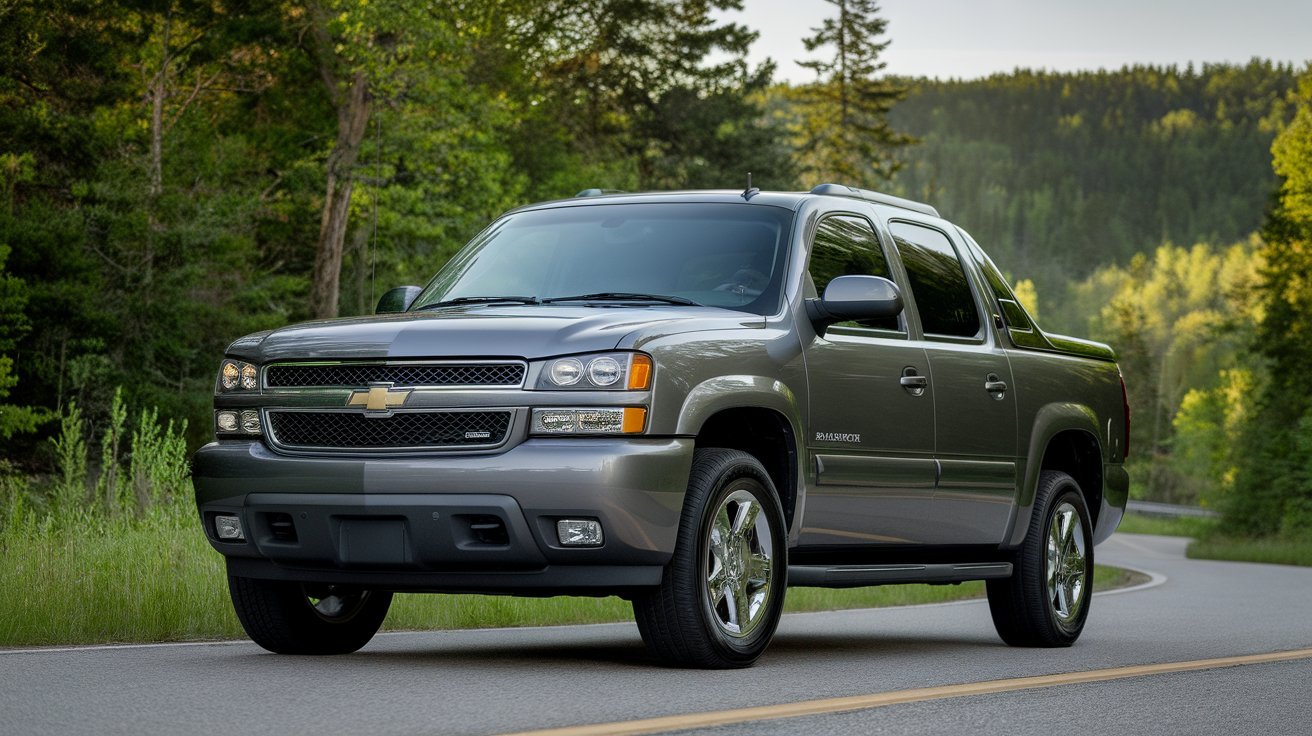
The 2005 Chevy Avalanche remains one of the most unique vehicles ever produced by Chevrolet. Combining the comfort of a full-size SUV with the utility of a pickup truck, the Avalanche was designed for drivers who needed versatility without sacrificing passenger space. Even decades after its release, the 2005 model continues to attract truck enthusiasts, outdoor adventurers, contractors, and families looking for a capable multipurpose vehicle.
What made the Avalanche stand out from traditional pickups was its innovative design. It featured a spacious crew cab, a flexible cargo bed, and Chevrolet’s famous Midgate system, which allowed owners to expand cargo space by folding down the rear seating area. This combination made the Avalanche one of the most practical trucks of its era.
Today, the 2005 Chevy Avalanche remains a popular choice in the used truck market thanks to its durability, V8 performance, and impressive towing capabilities. citeturn0search13turn0search0
What Makes the 2005 Chevy Avalanche Unique?
The 2005 Avalanche was built on General Motors’ full-size truck platform and shared many components with the Chevrolet Silverado and Chevrolet Suburban. However, it offered a distinctive blend of comfort and utility.
One of its most recognizable features was the Midgate cargo management system. This innovative design allowed owners to extend the cargo bed into the cabin when additional hauling space was needed. The bed could expand significantly beyond the standard configuration, making it easier to transport long items such as lumber, kayaks, ladders, and recreational equipment. citeturn0search13
Key highlights included:
- Four full-size doors
- Comfortable seating for up to six passengers
- Flexible cargo bed design
- Available four-wheel drive
- Strong V8 engine options
- Excellent towing capability
- SUV-like ride quality
These features helped distinguish the Avalanche from other trucks available in 2005.
Engine Options and Performance
The 2005 Chevy Avalanche was offered with powerful V8 engines that delivered strong performance for both daily driving and heavy-duty work.
The Avalanche 1500 models featured a 5.3-liter V8 engine producing approximately 295 horsepower and 330 lb-ft of torque. This engine was paired with a four-speed automatic transmission and was available in rear-wheel-drive or four-wheel-drive configurations. citeturn0search0turn0search2
For buyers needing even greater capability, the Avalanche 2500 offered an 8.1-liter V8 engine producing approximately 325 horsepower and 447 lb-ft of torque. This heavy-duty version was designed for maximum towing and hauling performance. citeturn0search3turn0search1
Performance advantages included:
- Strong low-end torque
- Smooth highway cruising
- Reliable V8 power
- Excellent towing strength
- Durable drivetrain components
The powerful engines helped establish the Avalanche as a highly capable utility vehicle.
Towing and Hauling Capabilities
One of the strongest selling points of the 2005 Chevy Avalanche was its ability to handle demanding towing and hauling tasks.
The Avalanche 1500 could tow up to approximately 8,000 to 8,200 pounds, depending on configuration. This made it suitable for towing:
- Travel trailers
- Fishing boats
- Utility trailers
- Small campers
- Recreational vehicles
Meanwhile, the Avalanche 2500 significantly increased capability with a maximum towing capacity of approximately 12,000 pounds. citeturn0search0turn0search3turn0search1
Payload capacities were also impressive, ranging from around 1,349 pounds in the 1500 models to over 2,000 pounds in the heavy-duty 2500 models. citeturn0search2turn0search3
These capabilities made the Avalanche suitable for both work and recreation.
Interior Comfort and Technology Features
Unlike many trucks of its era, the 2005 Chevy Avalanche prioritized passenger comfort. The spacious crew-cab design provided generous room for front and rear occupants.
Interior features available on various trims included:
- Power-adjustable driver seat
- Dual-zone climate control
- Leather seating options
- Premium Bose audio system
- Cruise control
- Power windows and locks
- Remote keyless entry
- Navigation system availability
The cabin was designed to provide a comfortable ride during long trips while maintaining the rugged utility expected from a full-size truck. Many owners appreciated the Avalanche for offering SUV-level comfort combined with truck functionality. citeturn0search13turn0search0
Rear passengers benefited from generous legroom and shoulder room, making the vehicle practical for families and work crews alike. citeturn0search2
Safety Features and Reliability
The 2005 Chevy Avalanche included several safety features that were competitive for its time.
Standard safety equipment included:
- Four-wheel anti-lock brakes (ABS)
- Front airbags
- Electronic brake-force distribution
- Daytime running lights
- Child seat anchors
- Anti-theft security systems
- Engine immobilizer
These features helped improve driver confidence and occupant protection. citeturn0search0turn0search2
When properly maintained, many Avalanche models have proven capable of exceeding 200,000 miles of service. The vehicle’s reputation for durability continues to support its popularity among used truck buyers.
Routine maintenance, including transmission servicing, suspension inspections, cooling system care, and regular oil changes, plays a significant role in long-term reliability.
Fuel Economy and Ownership Considerations
As a large V8-powered truck, the 2005 Chevy Avalanche prioritizes capability over fuel efficiency.
The Avalanche 1500 typically achieves approximately:
- 13 MPG city
- 17–18 MPG highway
- 14–15 MPG combined
depending on drivetrain configuration. citeturn0search0turn0search2turn0search4
While fuel economy may not match modern trucks or SUVs, many owners consider the trade-off worthwhile because of the vehicle’s versatility, towing strength, and cargo flexibility.
Potential buyers should inspect:
- Frame condition
- Suspension components
- Transmission performance
- Brake system condition
- Electrical systems
- Midgate functionality
A well-maintained Avalanche can still provide years of dependable service.
Why the 2005 Chevy Avalanche Remains Popular Today
Nearly two decades after its release, the 2005 Chevy Avalanche continues to enjoy a loyal following. Its innovative design remains unique even by today’s standards.
Owners appreciate the vehicle for:
- Versatile Midgate cargo system
- Powerful V8 engines
- Comfortable crew-cab interior
- Strong towing capacity
- Durable construction
- SUV-like ride quality
- Practical everyday usability
Few vehicles have successfully combined passenger comfort and cargo flexibility as effectively as the Avalanche.
For buyers seeking a used truck that offers both utility and comfort, the 2005 Avalanche remains a compelling option.
Conclusion
The 2005 Chevy Avalanche stands as one of Chevrolet’s most innovative and versatile trucks. With its Midgate cargo system, spacious interior, powerful V8 engine options, and impressive towing capabilities, it successfully blended the best characteristics of a pickup truck and an SUV.
Whether used for work, family transportation, towing, or outdoor adventures, the 2005 Avalanche continues to demonstrate why it earned such a strong reputation. Even in 2026, this unique vehicle remains a favorite among truck enthusiasts who value practicality, durability, and flexibility in a full-size utility vehicle.
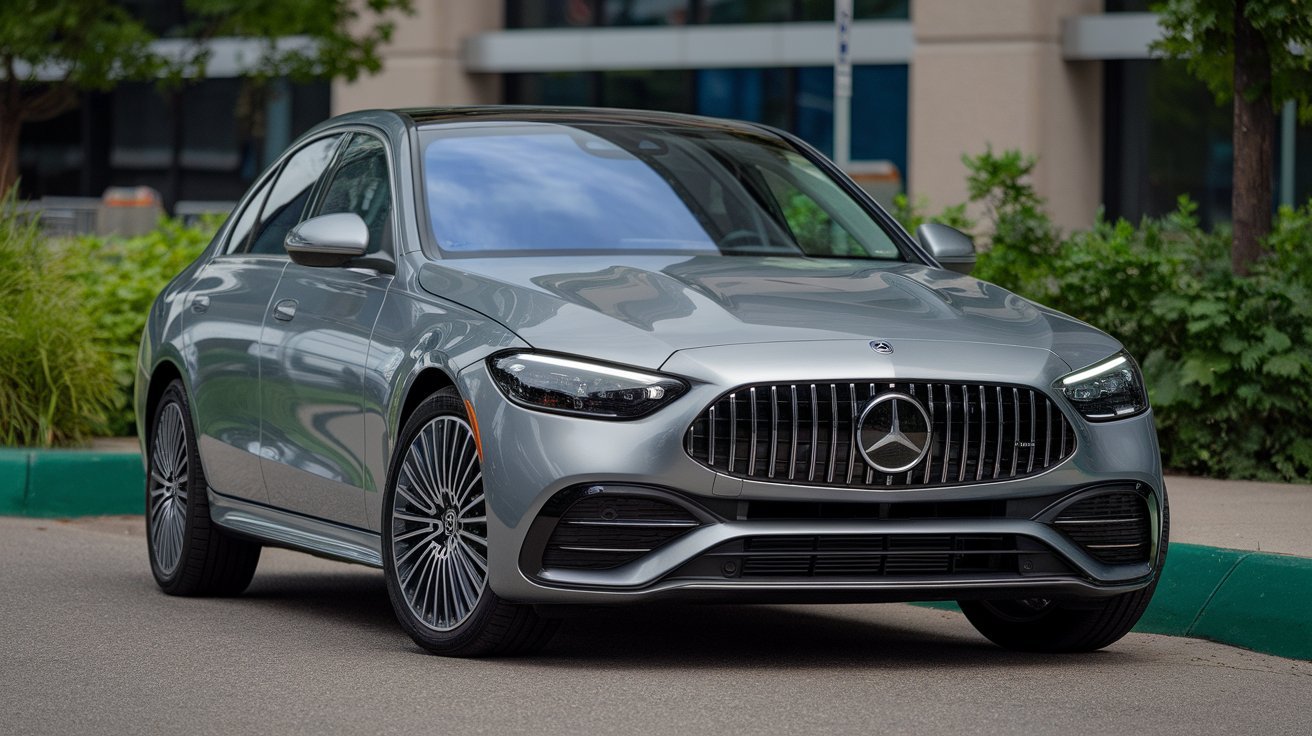
The 2025 Mercedes-Benz C-Class continues to represent the perfect balance between luxury, innovation, performance, and everyday practicality. As one of the most popular compact luxury sedans in the world, the C-Class brings premium craftsmanship and advanced technology from Mercedes-Benz’s flagship models into a more accessible package.
For 2025, Mercedes-Benz has refined the C-Class with updated technology, enhanced safety features, and the latest version of its intelligent infotainment system. The result is a luxury sedan that appeals to professionals, families, and driving enthusiasts alike. Whether you are looking for elegant styling, efficient performance, or cutting-edge connectivity, the 2025 Mercedes-Benz C-Class delivers a premium experience in every aspect.
Sophisticated Exterior Design That Stands Out
The 2025 Mercedes-Benz C-Class maintains the elegant styling that has made the model a favorite among luxury car buyers. Inspired by the larger E-Class and S-Class sedans, the C-Class features a sleek silhouette, sculpted body lines, and a distinctive front grille that immediately identifies it as a Mercedes-Benz.
Exterior highlights include:
- LED headlamps and taillamps
- 18-inch and available 19-inch alloy wheels
- Aerodynamic body styling
- Panoramic sunroof availability
- Chrome and AMG styling options
- Power-folding side mirrors
- Modern Mercedes-Benz grille design
The sedan’s proportions create a sporty yet refined appearance that remains timeless. From city streets to highway cruising, the C-Class projects confidence and prestige.
Turbo Hybrid Performance and Driving Dynamics
One of the biggest strengths of the 2025 Mercedes-Benz C-Class is its advanced powertrain technology. The standard C 300 model is powered by a 2.0-liter turbocharged four-cylinder engine paired with a 48-volt mild-hybrid system, producing 255 horsepower and 295 lb-ft of torque.
Performance features include:
- 255 horsepower
- 295 lb-ft of torque
- 48-volt mild hybrid assistance
- 9G-TRONIC 9-speed automatic transmission
- Rear-wheel drive standard
- Available 4MATIC all-wheel drive
- 0-60 mph in approximately 6 seconds
The mild-hybrid system can provide additional power assistance during acceleration while improving overall efficiency. Drivers benefit from smooth power delivery, quick throttle response, and a refined driving experience.
The suspension system balances comfort and handling, making the C-Class equally capable during daily commutes and longer road trips.
Premium Interior Craftsmanship and Comfort
Inside the cabin, the 2025 Mercedes-Benz C-Class showcases the luxury and attention to detail that Mercedes-Benz is known for. High-quality materials, modern design elements, and advanced seating features create a sophisticated driving environment.
Interior highlights include:
- Power-adjustable front seats
- Memory seating functions
- Heated front seats
- Premium upholstery options
- Nappa leather availability
- Dual-zone climate control
- Leather-wrapped steering wheel
- Ambient interior lighting
The cabin provides excellent comfort for both front and rear passengers. With generous legroom, supportive seating, and refined materials throughout, the C-Class feels much more expensive than many competitors in its segment.
Mercedes-Benz also offers multiple trim and upholstery choices, allowing buyers to personalize their vehicle according to their preferences.
Advanced MBUX Technology and Digital Innovation
Technology is a major focus of the 2025 Mercedes-Benz C-Class. Mercedes has equipped the sedan with the latest generation of the Mercedes-Benz User Experience (MBUX) infotainment system, providing intuitive controls and advanced connectivity. For 2025, the MBUX software receives further updates that enhance functionality and user experience.
Key technology features include:
- 11.9-inch central touchscreen
- Digital driver display
- Wireless Apple CarPlay
- Wireless Android Auto
- Voice command functionality
- Wireless smartphone charging
- Navigation capabilities
- Mercedes me connectivity services
The portrait-style touchscreen creates a futuristic dashboard layout while keeping controls easily accessible. The voice assistant allows drivers to control navigation, media, and vehicle settings with natural voice commands.
The result is a connected driving experience that rivals many luxury vehicles costing significantly more.
Comprehensive Safety and Driver Assistance Features
Mercedes-Benz continues its commitment to safety with an impressive suite of driver-assistance technologies in the 2025 Mercedes-Benz C-Class. The model receives a newly standard center airbag and numerous active safety systems designed to enhance driver confidence.
Important safety features include:
- Active Brake Assist
- Blind Spot Assist
- Driver Attention Monitor
- Lane-Keeping Technologies
- Adaptive Cruise Control Availability
- Parking Sensors
- Active Parking Assist
- Rearview Camera
- PRE-SAFE Occupant Protection System
These advanced systems help reduce collision risks and improve awareness during everyday driving situations. Mercedes-Benz remains one of the industry’s leaders in automotive safety innovation.
Fuel Economy and Everyday Practicality
Luxury buyers increasingly want efficiency without sacrificing performance, and the 2025 Mercedes-Benz C-Class delivers on both fronts.
The C 300 model achieves an EPA-estimated 25 MPG city, 35 MPG highway, and 29 MPG combined, making it highly competitive among luxury sedans.
Additional practical benefits include:
- 11.6 cubic feet of trunk space
- Comfortable seating for five passengers
- Smooth highway cruising
- Quiet cabin environment
- Long-distance driving comfort
- Excellent fuel range
The mild-hybrid technology contributes to improved fuel efficiency while maintaining the responsive performance expected from a Mercedes-Benz vehicle.
For drivers who spend significant time commuting, the combination of comfort and efficiency is particularly appealing.
Why the 2025 Mercedes-Benz C-Class Remains a Top Luxury Sedan
The luxury sedan segment remains highly competitive, but the 2025 Mercedes-Benz C-Class continues to stand out thanks to its blend of premium design, advanced technology, and refined performance.
Major advantages include:
- Elegant Mercedes-Benz styling
- Turbocharged mild-hybrid powertrain
- Updated MBUX infotainment system
- Premium interior materials
- Advanced safety technologies
- Strong fuel economy
- Available all-wheel drive
- Excellent brand reputation
With a starting MSRP around $49,650 for the C 300 Sedan, buyers receive a luxury vehicle that offers many of the same technologies and design elements found in Mercedes-Benz’s larger and more expensive models.
Conclusion
The 2025 Mercedes-Benz C-Class continues to set a high standard in the compact luxury sedan category. Combining turbo-hybrid performance, modern MBUX technology, premium interior comfort, and advanced safety systems, it delivers an upscale driving experience that appeals to a wide range of buyers.
Whether chosen for daily commuting, executive travel, or long-distance road trips, the C-Class offers the sophistication, efficiency, and innovation that have defined the Mercedes-Benz brand for decades. For anyone seeking a luxury sedan that balances performance and elegance, the 2025 Mercedes-Benz C-Class remains one of the strongest choices available.
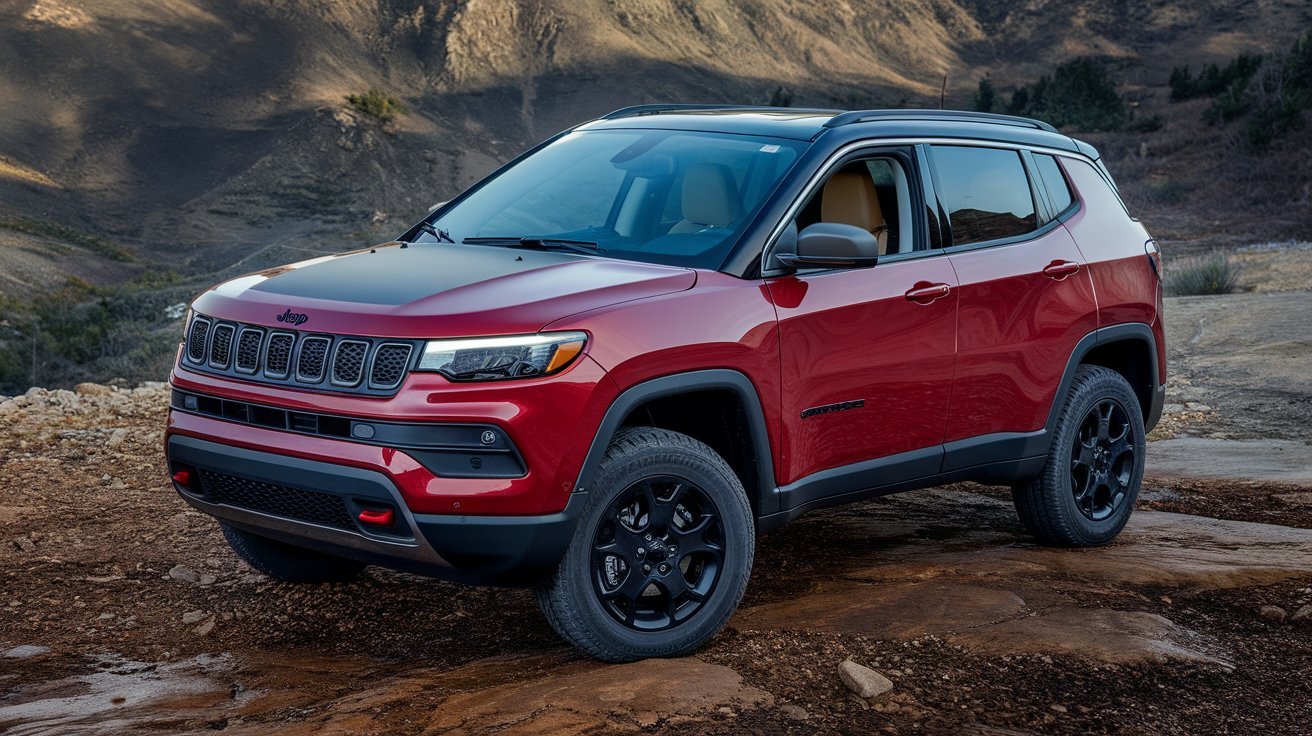
The 2025 Jeep Compass Sport is the entry-level trim of Jeep’s compact Compass SUV, combining a turbocharged four-cylinder engine, standard four-wheel drive, five-passenger seating, and a practical interior. For buyers researching the model in 2026, the Sport remains an interesting option because it provides the core Compass powertrain and Jeep’s traction-focused drivetrain without requiring the higher price of the more extensively equipped trims.
For the 2025 model year, the Compass Sport uses a 2.0-liter turbocharged four-cylinder engine producing 200 horsepower and 221 lb-ft of torque. It is paired with an eight-speed automatic transmission and standard four-wheel drive. EPA estimates list 24 mpg city, 32 mpg highway, and 27 mpg combined.
2025 Jeep Compass Sport Engine and Performance
The 2025 Compass Sport comes standard with a 2.0-liter turbocharged inline-four gasoline engine. The engine produces 200 horsepower at 5,000 rpm and 221 lb-ft of torque from 1,750 to 4,250 rpm. Jeep pairs it with an eight-speed automatic transmission and a four-wheel-drive system.
The turbocharged configuration gives the compact SUV a useful amount of low-end torque. The 221 lb-ft torque figure is available relatively low in the rev range, which can be helpful during normal acceleration, merging, and climbing hills.
The Sport also uses engine stop-start technology, which can automatically shut down the engine during certain stops and restart it when needed. This system is intended to reduce unnecessary fuel consumption during stationary periods.
Unlike some compact SUVs that offer front-wheel drive on their base models, the Compass Sport is configured with four-wheel drive. That makes drivetrain traction a central part of the vehicle’s specification rather than an optional upgrade.
Fuel Economy and Everyday Driving
Fuel economy is an important consideration for any compact SUV, and the 2025 Jeep Compass Sport is rated at 24 mpg city, 32 mpg highway, and 27 mpg combined according to EPA figures. The SUV uses regular unleaded gasoline and has a 13.5-gallon fuel tank.
The estimated highway range is approximately 432 miles, while the estimated city range is about 324 miles based on the published EPA figures and fuel-tank capacity. Actual range can vary considerably depending on speed, weather, traffic, terrain, passenger weight, tire pressure, and driving habits.
For daily commuting, the Compass Sport’s highway fuel-economy rating can be useful for reducing the frequency of fuel stops. However, its standard four-wheel-drive system and turbocharged engine mean it should be evaluated as a compact SUV focused on a combination of traction, utility, and performance rather than maximum fuel efficiency.
Interior, Seating, and Cargo Space
Inside, the 2025 Jeep Compass Sport provides seating for five people. Published specifications show approximately 99.6 cubic feet of passenger volume, with 41.8 inches of front legroom and 38.3 inches of rear legroom.
The Sport’s standard interior equipment includes cloth seating, manually adjustable front seats, a rearview camera, cruise control, front and rear cupholders, door-pocket storage, rear ventilation ducts, and an interior air-filtration system.
Cargo capacity is another useful feature. With the rear seats in their normal position, the Compass Sport provides approximately 27.2 cubic feet of cargo space. Folding the rear seats increases maximum cargo volume to approximately 59.8 cubic feet.
This flexible cargo arrangement allows the Compass to handle normal grocery shopping and luggage while also accommodating larger items when the rear seating area is folded.
Technology and Standard Features
The 2025 Compass Sport includes a selection of technology designed for everyday convenience. Equipment can vary by market and package, but the Sport specification includes a rearview camera, USB connectivity, cruise control, and an infotainment system.
Jeep’s 2025 Compass documentation lists the Uconnect 5 multimedia system among the model’s equipment, with an 8.4-inch touchscreen available as a key technology feature. The official Jeep Canada listing for the Sport also identifies an 8.4-inch Uconnect touchscreen and forward-collision warning with active emergency braking. Equipment specifications can differ between countries, so buyers should check the vehicle’s original market specification before assuming a feature is standard.
The Sport can also be equipped with packages that add convenience or protection features. Available options listed for the 2025 model include a Driver Assistance Group, Convenience Group, Sun and Sound Group, and Mopar protection packages, depending on configuration and market.
Exterior Design, Dimensions, and Jeep Capability
The 2025 Jeep Compass Sport measures approximately 173.4 inches long, 73.8 inches wide without mirrors, and 64.6 inches tall, with a 103.8-inch wheelbase. Ground clearance is approximately 8.1 inches.
The compact dimensions make the Compass relatively easy to position in city streets and parking areas while maintaining the upright proportions associated with Jeep’s SUV lineup.
Standard Sport models use 17-inch aluminum wheels with 225/60R17 all-season tires.
The standard four-wheel-drive system is one of the most notable elements of the Sport trim. Jeep also equips the Compass with Selec-Terrain traction management, allowing the vehicle’s systems to adapt to different driving conditions. The exact equipment and available drive modes can vary according to market and configuration.
Towing Capacity and Practical Utility
The 2025 Jeep Compass Sport has a maximum towing capacity of 2,000 pounds when properly equipped. That provides enough capacity for certain small trailers, lightweight recreational equipment, and utility loads, although buyers should always confirm the specific vehicle’s tow rating and required equipment before towing.
The Compass also benefits from its compact dimensions. It is substantially easier to maneuver than larger SUVs while still offering a raised driving position, five-person seating, folding rear seats, and useful cargo volume.
The 8.1-inch ground clearance and standard four-wheel-drive configuration give the Sport characteristics that fit Jeep’s broader emphasis on traction and versatility. However, buyers seeking more specialized off-road equipment should look at the Compass Trailhawk, which is configured differently from the entry-level Sport.
2025 Jeep Compass Sport Price and Warranty
The published U.S. starting MSRP for the 2025 Jeep Compass Sport varies across sources depending on whether destination charges and other pricing adjustments are included. Edmunds lists a starting MSRP of $26,900, while some automotive sources show different figures based on destination or pricing presentation.
Because pricing can change with dealer fees, incentives, packages, taxes, and regional conditions, shoppers should verify the original window sticker and current transaction price when considering a 2025 Compass Sport in 2026.
Warranty information listed by Edmunds includes a 3-year/36,000-mile basic warranty and a 5-year/60,000-mile drivetrain warranty, with roadside assistance also listed for five years or 60,000 miles.
2025 Jeep Compass Sport vs. Other Compass Trims
The Sport establishes the foundation of the 2025 Compass lineup. Other trims add progressively different combinations of comfort, technology, appearance, and capability equipment.
The Latitude sits above the Sport, while the Latitude Lux adds additional premium-oriented equipment. The Limited focuses more heavily on upscale features, and the Trailhawk is the specialized configuration for buyers seeking additional off-road-oriented equipment. Published 2025 specifications show that all of these configurations use the same basic 2.0-liter turbocharged engine producing 200 horsepower and 221 lb-ft of torque, although equipment varies by trim.
For buyers who want the basic Compass package with standard four-wheel drive, turbocharged power, five-passenger seating, and useful cargo space, the Sport provides the starting configuration. Shoppers who want additional comfort or technology can compare the equipment added by the higher grades.
Conclusion
The 2025 Jeep Compass Sport combines a 200-horsepower 2.0-liter turbocharged engine, 221 lb-ft of torque, an eight-speed automatic transmission, and standard four-wheel drive. Its EPA rating of 24 mpg city, 32 mpg highway, and 27 mpg combined gives it a practical balance between everyday driving and SUV capability.
Its five-passenger cabin, 27.2 cubic feet of cargo space behind the rear seats, up to 59.8 cubic feet with the seats folded, 8.1 inches of ground clearance, and 2,000-pound maximum towing capacity add versatility for daily transportation and recreational use.
For anyone researching the 2025 Jeep Compass Sport in 2026, the most important factors to verify are the vehicle’s exact equipment, condition, maintenance history, pricing, and available packages. The Sport’s combination of turbocharged power and standard four-wheel drive makes its specification straightforward, while the higher Compass trims provide additional equipment for buyers looking for a different configuration.

LiftMaster Garage Door Opener Battery Replacement: Complete 2026 Guide

2005 Chevy Avalanche: Complete Guide to Features, Performance, Towing Capacity, and Ownership

2025 Mercedes-Benz C-Class: Complete Guide to Luxury, Performance, Technology, and Features


 Celebrity2 months ago
Who Is Susan Cohan? The Untold Story of Lauren Cohan’s Mother
- Celebrity2 months ago
Who Is Richard Skelton Jr? The Heartbreaking Story of Red Skelton’s Son
- Celebrity2 months ago
Mark Zettel: A Comprehensive Biography, Career Journey, Family Life, and Lasting Legacy
- Tech2 months ago
Get in Touch on TurboGeek.org: The Complete 2026 Guide to Contacting TurboGeek Support, Community, and Editorial Team
- Sports3 months ago
NewsNow Liverpool: Latest Liverpool FC News, Transfers, Fixtures & Live Updates
- Business2 months ago
Travel Tweaks Offers: The Complete 2026 Guide to Smarter Travel Savings and Better Experiences
- Sports3 months ago
F APVID: The Complete Guide for Beginners and Professionals
- Celebrity2 months ago
Who Is Karen Hahn? All About the Life and Family Story of Kathryn Hahn’s Mother