Tech
Get in Touch on TurboGeek.org: The Complete 2026 Guide to Contacting TurboGeek Support, Community, and Editorial Team


Whether you have a technical question, want to report an issue, submit business inquiries, or provide valuable feedback, knowing how to get in touch on TurboGeek.org is essential. As TurboGeek continues to expand its technology, gaming, programming, and digital content library in 2026, its contact system has become an important bridge between readers and the editorial team.
TurboGeek.org focuses on providing technology news, software guides, gaming insights, programming tutorials, AI updates, and practical digital resources. To support its growing audience, the platform offers multiple communication methods, including a contact form and email support, making it easier for users to reach the appropriate team.
Why You Should Get in Touch on TurboGeek.org
There are many reasons why visitors may want to contact TurboGeek.org. Whether you are a regular reader or a first-time visitor, reaching the right department helps resolve issues more efficiently.
Some of the most common reasons include:
- Technical support for website-related issues
- Reporting bugs or broken pages
- Submitting feedback about articles
- Business and partnership inquiries
- Media and press communication
- Guest post suggestions
- General questions regarding published content
- Community participation
TurboGeek encourages users to use the correct contact method so messages can be routed to the appropriate team for faster assistance.
Official Ways to Contact TurboGeek.org
One of the easiest ways to communicate with TurboGeek.org is through its official Contact page.
According to the website, visitors can submit messages using a contact form that requests:
- First Name
- Last Name
- Email Address
- Message
- Website (optional)
In addition, the contact page lists an email address for direct communication:
manager@turbogeek.org
The site states that users can email the team directly and that they will respond as soon as possible.
What Information Should You Include in Your Message?
Providing complete information helps the support team understand your request quickly and reduces unnecessary back-and-forth communication.
For the fastest response, include:
- A clear subject line
- Detailed description of your issue
- Relevant page URL
- Device and browser information
- Operating system
- Screenshots if applicable
- Error messages
- Steps already attempted
If your inquiry relates to an account or technical issue, include only the information necessary for troubleshooting and avoid sending passwords or other sensitive credentials. Detailed messages generally help the support team investigate problems more efficiently.
TurboGeek.org Community Support and Response Process
TurboGeek.org is more than a technology blog. It also promotes interaction between readers and its editorial team through community-focused communication.
Depending on the nature of your request, you may receive assistance regarding:
- Technology tutorials
- Programming articles
- Gaming guides
- Artificial Intelligence content
- Software recommendations
- Website feedback
- Content corrections
- Business opportunities
Published guidance indicates that response times can vary depending on request type, with higher-priority matters such as security issues generally receiving quicker attention than routine inquiries. Users are also encouraged to check existing help resources before submitting duplicate requests.
Why TurboGeek.org Continues to Grow in 2026
TurboGeek.org has expanded its reputation by publishing practical content across several technology categories.
Popular content areas include:
- Technology news
- Gaming trends
- Programming tutorials
- Artificial Intelligence
- Software reviews
- Cybersecurity
- Cloud computing
- Digital productivity
- Mobile applications
- Hardware guides
The platform presents information in an accessible format aimed at helping readers understand rapidly changing technology topics. This broad coverage has contributed to its growing readership.
Improve Your Digital Content with Picfont and ImageCompressor by 11zon
Alongside informative technology resources like TurboGeek.org, content creators often rely on additional online tools to improve their digital workflow.
Picfont.com
Picfont.com enables users to add stylish text overlays to images for blogs, presentations, tutorials, infographics, and social media graphics. It offers a simple interface for creating visually appealing images without advanced design software.
Key benefits include:
- Custom fonts
- Easy text editing
- Quick image enhancement
- Simple online interface
- Professional-looking graphics
ImageCompressor by 11zon
Large image files can slow website loading speeds. ImageCompressor by 11zon helps reduce image file sizes while maintaining good visual quality.
Advantages include:
- Faster page loading
- Better user experience
- Optimized website performance
- Reduced storage usage
- Improved image efficiency
These tools complement technology-focused publishing by helping creators produce optimized, visually engaging content.
Best Practices When Contacting TurboGeek.org
To improve your chances of receiving a helpful response:
- Choose the correct contact channel.
- Write a concise and descriptive subject line.
- Explain your request clearly.
- Attach screenshots when relevant.
- Avoid sending duplicate messages.
- Check existing help articles before contacting support.
- Follow up politely if you do not receive a response within the published timeframe.
Following these practices helps both users and the support team communicate more efficiently.
Conclusion
Knowing how to get in touch on TurboGeek.org makes it easier to receive assistance, provide feedback, report technical issues, or discuss collaboration opportunities. With its official contact form, direct email communication, and commitment to supporting its growing technology community, TurboGeek.org provides several convenient ways for readers to connect with the team.
As the platform continues expanding throughout 2026, maintaining open communication with its audience remains an important part of delivering high-quality technology, programming, gaming, and AI content. Whether you are seeking technical help, suggesting improvements, or exploring business opportunities, using the appropriate contact method and providing complete information can help ensure a faster and more effective response.
Frequently Asked Questions
How do I get in touch on TurboGeek.org?
You can use the official contact form on the website or email the address listed on the contact page.
What should I include in my support request?
Include a clear description of the issue, relevant URLs, screenshots, device information, and any error messages to help the team investigate more efficiently.
What topics does TurboGeek.org cover?
TurboGeek.org publishes articles related to technology, gaming, programming, artificial intelligence, software, cybersecurity, and digital trends.
Can I contact TurboGeek.org for business inquiries?
Yes. The platform accepts business-related communication and other general inquiries through its official contact channels.
Why are Picfont.com and ImageCompressor by 11zon useful?
Picfont.com helps create attractive text-based graphics, while ImageCompressor by 11zon optimizes image file sizes for faster website performance and a better user experience.

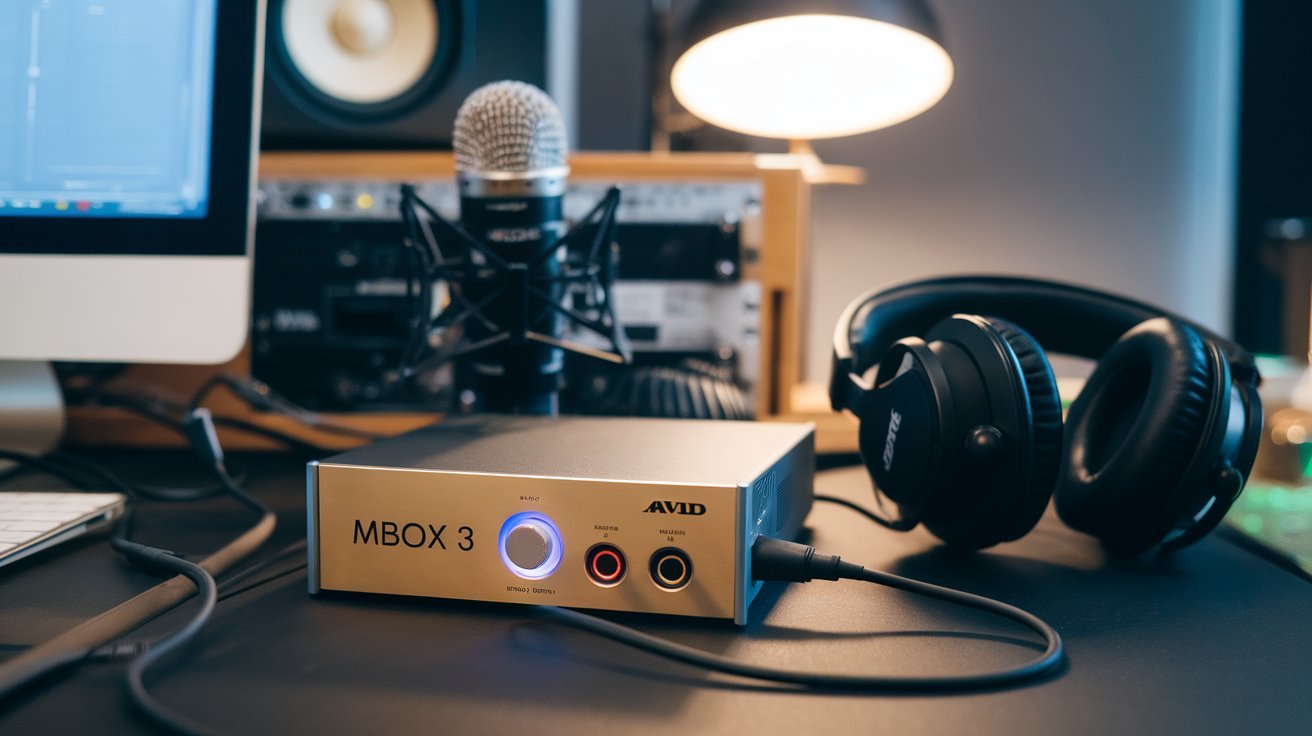
The Avid Mbox 3 USB audio interface remains an interesting piece of recording hardware for musicians, vocalists, producers, podcasters, and home-studio users who want a dedicated interface rather than relying on a computer’s built-in audio hardware. Originally developed as a compact studio interface for computer-based production, the Mbox 3 combines microphone, instrument, and line-level connectivity with digital recording capabilities in a relatively compact desktop format.
Although newer interfaces now offer more modern connections and features, understanding the Mbox 3 three studio recording workflow is still useful for anyone who owns the hardware, is considering a used unit, or wants to build a budget-conscious recording setup around an older professional interface. The key is understanding its connections, software compatibility, gain structure, monitoring system, and limitations before beginning a project.
What Is the Avid Mbox 3 USB Audio Interface?
The Avid Mbox 3 is a USB-connected audio interface designed to connect microphones, instruments, and other audio equipment to a computer for recording and playback. It belongs to the Mbox family associated with computer-based music production and was designed to work closely with professional recording software.
At the center of the system is the interface’s ability to convert incoming analog audio into digital information that recording software can process. A microphone connected to an Mbox input, for example, produces an analog signal. The Mbox converts that signal into digital audio, sends it through USB to the computer, and allows the recording application to store and manipulate it.
For studio recording, this provides several advantages over a basic computer sound card. We gain access to dedicated microphone preamps, instrument inputs, monitor connections, headphone monitoring, and physical gain controls.
The Mbox 3 can therefore function as the central connection point between microphones, guitars, keyboards, monitors, headphones, and a computer.
Mbox 3 Inputs and Connections for Studio Recording
Understanding the available connections is one of the first steps in creating an effective Mbox 3 studio recording setup. The interface provides multiple types of inputs intended for different sources.
Microphones can be connected to the microphone inputs, while guitars and other instruments can use the appropriate instrument input configuration. Line-level equipment can also be incorporated into the recording chain where supported.
The interface includes phantom power for compatible condenser microphones. Phantom power should be used only when appropriate for the connected equipment, and we should always check microphone and device requirements before activating it.
The Mbox 3 also provides outputs for connecting studio monitors or other playback equipment, along with headphone monitoring. This allows us to record while monitoring the incoming signal through headphones or listen back through speakers.
Good cable management matters as well. Balanced connections should be used where appropriate, particularly in professional studio environments, because proper cabling can help reduce unwanted noise and interference.
How to Set Up Mbox 3 for Recording
A successful Mbox 3 recording session begins with a clean hardware setup. We should place the interface somewhere accessible so that the gain controls, headphone output, and monitoring controls can be adjusted without interrupting the performance.
The general workflow is straightforward. We connect the Mbox 3 to the computer using its supported USB connection, connect the microphone or instrument, attach headphones or studio monitors, and then configure the recording software to use the Mbox as its audio input and output device.
Before recording, we should check the input level carefully. The preamp gain should be increased until the source produces a healthy recording level without excessive clipping. Recording too quietly can create unnecessary noise when the track is later boosted, while recording too loudly can cause irreversible digital distortion.
We should perform a short test recording before starting the main take. Listening back to this test helps identify problems involving input selection, monitoring, latency, cables, gain, or software routing.
Recording Vocals and Instruments With Mbox 3
The Mbox 3 can be used for a variety of studio sources. Vocal recording is one of the most common applications.
For vocals, we should position the microphone appropriately and use suitable acoustic treatment or room control whenever possible. A pop filter can reduce unwanted plosive sounds, while a sensible microphone distance can help produce a more consistent performance.
The input gain should be adjusted while the vocalist performs at approximately the level expected during the actual recording. We should avoid setting the gain based only on a quiet sound check because louder sections can unexpectedly overload the input.
For electric guitar, we can connect the instrument using the appropriate instrument input. Guitarists can then record a clean signal and use amp simulation or other processing inside the DAW. This approach provides flexibility because the recorded performance can be processed later.
Keyboards, drum machines, preamps, and other equipment can also become part of an Mbox-based studio depending on their output type and the available connections.
Using Mbox 3 With a DAW
The interface becomes most useful when combined with a digital audio workstation (DAW). The DAW handles recording, editing, mixing, automation, virtual instruments, and effects, while the Mbox serves as the physical audio connection between the studio and computer.
A typical project might contain a vocal microphone on one input, guitar on another, and multiple software-based instruments inside the DAW. During playback, the recorded material is sent back through the Mbox to studio monitors or headphones.
We should configure the DAW’s sample rate, buffer size, input assignments, and output routing carefully. Buffer size is particularly important when recording live performers. A smaller buffer can reduce monitoring latency, although it may increase CPU load. A larger buffer can be useful during mixing when a project contains many tracks and plug-ins.
The correct balance depends on the computer, DAW, project complexity, and desired monitoring method.
Common Mbox 3 Recording Problems and Solutions
Older USB interfaces can sometimes create configuration challenges, particularly when used with modern computers and operating systems. Driver and software compatibility should therefore be checked before building a new system around an Mbox 3.
If the computer does not recognize the interface, we should first check the USB connection, driver/software compatibility, operating-system support, and device selection inside the DAW.
If a microphone produces no signal, we should verify the physical input, microphone cable, preamp gain, mute settings, and phantom-power requirements. For condenser microphones, the appropriate phantom-power setting may be necessary.
Unwanted noise can have several causes. We should check cables, nearby electrical equipment, gain settings, grounding, and the microphone itself. A guitar may also introduce hum depending on its pickups, environment, and connected equipment.
Latency problems should be addressed through the DAW’s buffer and monitoring configuration. If software monitoring creates noticeable delay, direct monitoring options or an appropriate buffer configuration may provide a better recording experience.
Is the Mbox 3 Still Useful for Studio Recording in 2026?
The answer depends on what we expect from a modern recording interface. The Avid Mbox 3 can still be useful when we already own a functioning unit and have a compatible computer and software environment.
Its dedicated inputs, preamps, monitoring controls, and professional-oriented workflow can remain perfectly practical for home recording, songwriting, voice recording, guitar tracking, demos, and basic production.
However, anyone purchasing an Mbox 3 today should consider its age and compatibility carefully. Newer USB audio interfaces may provide more current operating-system support, newer connectivity standards, improved latency performance, additional inputs, and longer-term manufacturer support.
For someone who already owns an Mbox 3, replacing it is not automatically necessary. If the interface works reliably with the existing computer and recording software, it can continue serving as a capable recording hub.
Best Practices for Mbox 3 Three Studio Recording
For consistently good results, we should approach the Mbox 3 as part of an entire recording chain rather than expecting the interface alone to determine sound quality.
We should use a good microphone, appropriate gain levels, reliable cables, sensible room treatment, and accurate monitoring. Recording at a healthy level without clipping is particularly important. The goal is a clean source that leaves enough headroom for mixing.
Before important sessions, we should test the complete setup. Check the microphone, headphones, monitor outputs, recording tracks, sample rate, input routing, and available storage. This small amount of preparation can prevent technical problems from interrupting a performance.
We should also save project files regularly and maintain backups. Hardware interfaces can facilitate recording, but the actual project files remain valuable creative assets.
Conclusion
The Avid Mbox 3 USB audio interface can still provide a practical foundation for studio recording when its hardware and software environment are compatible. Its combination of microphone and instrument connectivity, monitoring controls, preamps, and computer-based recording makes it suitable for many home and project-studio applications.
A successful Mbox 3 studio recording setup ultimately depends on correct routing, appropriate gain levels, reliable connections, compatible software, and careful monitoring. While newer interfaces offer more contemporary features, a properly functioning Mbox 3 can remain useful for vocals, guitars, instruments, podcasts, demos, and music production.
For anyone working with this older interface in 2026, the most important consideration is not simply the specifications on the original product box. It is whether the Mbox 3 integrates reliably with the computer, operating system, DAW, microphones, instruments, and monitoring equipment used in the current studio.

LiftMaster Garage Door Opener Battery Replacement: Complete 2026 Guide

2005 Chevy Avalanche: Complete Guide to Features, Performance, Towing Capacity, and Ownership

2025 Mercedes-Benz C-Class: Complete Guide to Luxury, Performance, Technology, and Features


 Celebrity2 months ago
Who Is Susan Cohan? The Untold Story of Lauren Cohan’s Mother
- Celebrity2 months ago
Who Is Richard Skelton Jr? The Heartbreaking Story of Red Skelton’s Son
- Celebrity2 months ago
Mark Zettel: A Comprehensive Biography, Career Journey, Family Life, and Lasting Legacy
- Sports3 months ago
NewsNow Liverpool: Latest Liverpool FC News, Transfers, Fixtures & Live Updates
- Business2 months ago
Travel Tweaks Offers: The Complete 2026 Guide to Smarter Travel Savings and Better Experiences
- Sports3 months ago
F APVID: The Complete Guide for Beginners and Professionals
- Celebrity2 months ago
Who Is Karen Hahn? All About the Life and Family Story of Kathryn Hahn’s Mother
- Business2 months ago
#LetsBuildUp org: A Complete Guide to Community Empowerment, Education, and Social Impact in 2026