Lifestyle
Good Morning or Goodmorning: Which Is Correct? Complete Grammar, Spelling, and Usage Guide (2026)

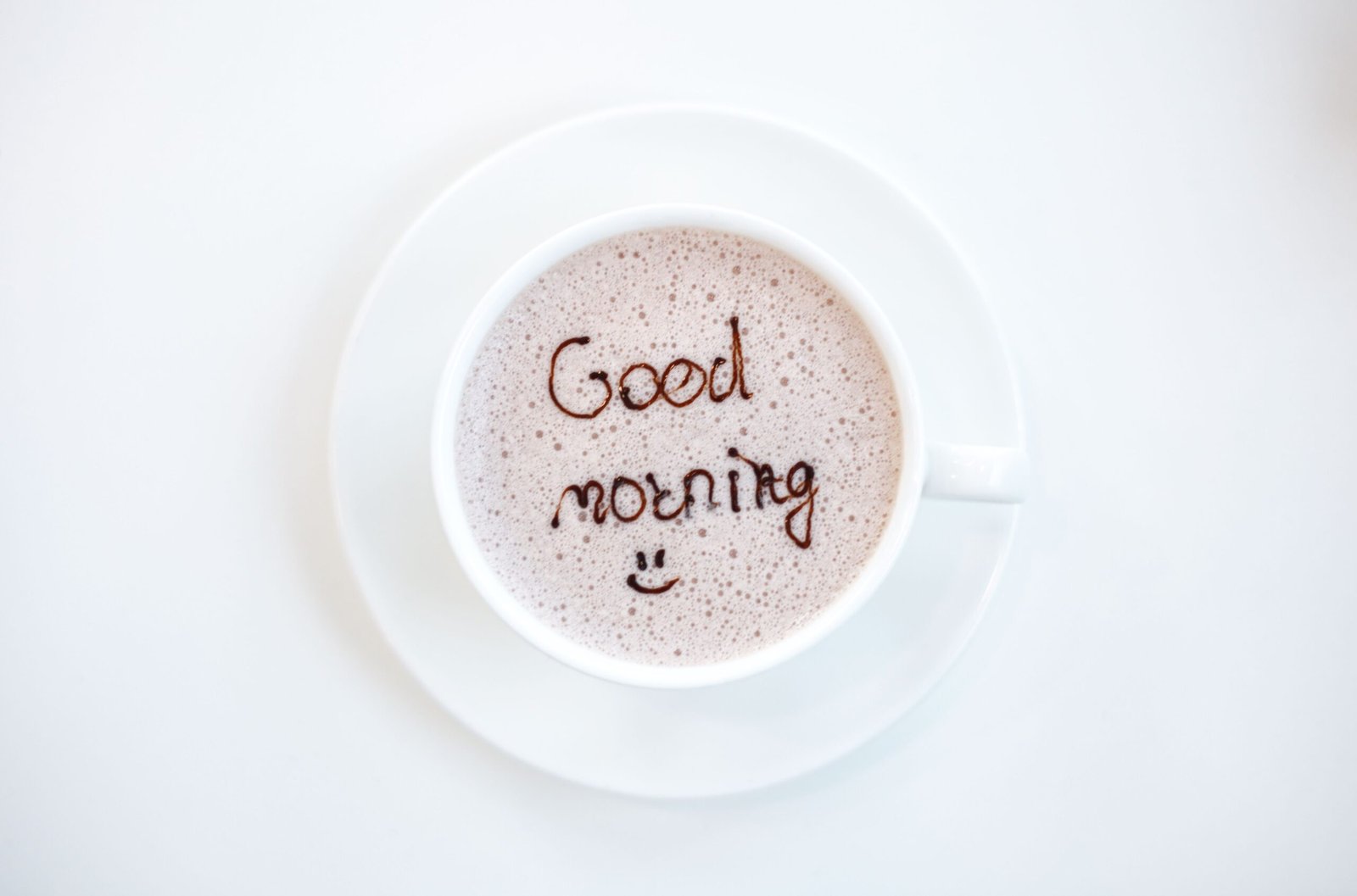
One of the most frequently searched English grammar questions is whether “good morning” should be written as two separate words or as the single word “goodmorning.” While both versions may appear on social media, greeting cards, usernames, or graphic designs, only one is considered correct in standard English.
The correct spelling is “good morning”—written as two separate words. The form “goodmorning” is not recognized as a standard English word and is generally considered a spelling mistake unless it is intentionally used as a brand name, username, website title, or creative design.
Whether you are writing an email, text message, business letter, academic assignment, or social media post, using the correct greeting demonstrates professionalism and good command of English.
In this comprehensive 2026 guide, we explain the difference between Good Morning or Goodmorning, grammar rules, pronunciation, common mistakes, examples, and tips to help you use the greeting correctly in every situation.
What Is the Correct Spelling: Good Morning or Goodmorning?
The correct spelling is:
✅ Good morning
Incorrect in standard English:
❌ Goodmorning
Good morning is a greeting consisting of two separate words:
- Good (an adjective expressing something pleasant or positive)
- Morning (the first part of the day)
Together, they form one of the most common greetings in English.
Examples:
- Good morning, everyone!
- Good morning, Professor Smith.
- Good morning! I hope you’re doing well.
- She smiled and said, “Good morning.”
Although goodmorning may occasionally appear online, dictionaries and standard style guides do not recognize it as the correct spelling for the greeting.
Why “Good Morning” Is Written as Two Words
English contains many greetings made from two separate words rather than one compound word.
Examples include:
- Good afternoon
- Good evening
- Good night
- Good day
Following this pattern, good morning is also written as two words.
The words function together as a greeting but remain separate in standard English writing.
This rule applies across:
- American English
- British English
- Canadian English
- Australian English
- New Zealand English
No major English dictionary lists goodmorning as the standard spelling.
When to Use “Good Morning”
Good morning is appropriate in both formal and informal situations. It is one of the most versatile greetings in the English language.
Business Communication
Examples:
- Good morning, Ms. Johnson.
- Good morning, everyone. Thank you for joining today’s meeting.
- Good morning. Please find the attached report.
Academic Settings
Teachers, students, and professors frequently use:
- Good morning, class.
- Good morning, Professor Williams.
Everyday Conversation
Examples:
- Good morning! How are you today?
- Good morning, neighbor!
- Good morning, Mom.
Emails
Professional email openings often begin with:
- Good morning, David,
- Good morning, team,
- Good morning, everyone,
This greeting is widely accepted in workplaces around the world.
Is “Goodmorning” Ever Correct?
In standard English grammar, goodmorning is not correct.
However, there are a few exceptions where the single-word form may appear intentionally.
Brand Names
Some companies or products may use GoodMorning as part of their branding.
Usernames
Examples:
- GoodMorning2026
- GoodMorningLife
Website Names
Some websites combine words into a single domain name because spaces are not allowed.
Graphic Designs
Designers sometimes merge words for artistic purposes on posters, mugs, T-shirts, or social media graphics.
Even in these cases, the standard English greeting remains good morning.
Common Mistakes to Avoid
Many English learners make similar spelling mistakes when writing greetings.
Mistake 1: Writing One Word
Incorrect:
- Goodmorning everyone!
Correct:
- Good morning, everyone!
Mistake 2: Incorrect Capitalization
Correct capitalization depends on context.
Sentence:
- Good morning, everyone.
Middle of sentence:
- She wished everyone a good morning.
Title:
- Good Morning Messages for Friends
Mistake 3: Missing Commas
When addressing someone directly, include a comma.
Correct:
- Good morning, Sarah.
Incorrect:
- Good morning Sarah.
Using proper punctuation improves clarity and professionalism.
Examples of Good Morning in Everyday English
Business
- Good morning, everyone. Let’s begin today’s meeting.
- Good morning. Thank you for your email.
School
- Good morning, students.
- Good morning, teacher.
Friends
- Good morning! Have a wonderful day.
- Good morning! Ready for breakfast?
Family
- Good morning, Dad.
- Good morning, Grandma.
Customer Service
- Good morning. How may I assist you today?
These examples demonstrate how frequently the greeting appears in both spoken and written English.
Tips to Remember the Correct Spelling
A few simple tricks can help you avoid this common mistake.
Think of Other Greetings
Since we write:
- Good afternoon
- Good evening
- Good night
we also write:
- Good morning
Remember It Is a Phrase
The greeting contains two separate words working together.
Check Your Spellchecker
Modern writing tools usually recognize good morning and flag goodmorning as an error.
Read Professional Emails
Business emails almost always begin with:
- Good morning,
- Good afternoon,
- Good evening,
Following these examples helps reinforce the correct form.
Frequently Asked Questions (FAQs)
Is “good morning” one word or two words?
Good morning is correctly written as two separate words in standard English.
Is “goodmorning” a correct English word?
No. Goodmorning is not recognized as a standard English greeting. It is generally considered a spelling mistake unless used as a brand name, username, or creative title.
Should I capitalize “Good Morning”?
Capitalize Good Morning when it appears in a title or at the beginning of a sentence. In regular sentences, follow normal capitalization rules.
Can I use “Good morning” in professional emails?
Yes. Good morning is one of the most common and appropriate greetings for business emails, meetings, and professional communication.
Is “good morning” formal or informal?
It can be both. It works well in professional settings, classrooms, customer service, and casual conversations with friends and family.
What punctuation should follow “Good morning”?
When greeting someone directly, place a comma after the greeting or after the person’s name, depending on the sentence.
Example:
- Good morning, John.
- Good morning, everyone.
Conclusion
The answer to “good morning or goodmorning” is clear: good morning is the correct spelling in standard English. It is always written as two separate words and is accepted in formal, informal, academic, and professional communication worldwide.
Although goodmorning may appear in usernames, logos, website domains, or creative branding, it is not the correct spelling for everyday writing. By consistently using good morning, along with proper punctuation and capitalization, you can communicate more clearly and professionally in emails, conversations, school assignments, and business documents.
Mastering this simple grammar rule will help ensure your English writing remains polished, accurate, and appropriate in every situation throughout 2026 and beyond.


LiftMaster Garage Door Opener Battery Replacement: Complete 2026 Guide

2005 Chevy Avalanche: Complete Guide to Features, Performance, Towing Capacity, and Ownership

2025 Mercedes-Benz C-Class: Complete Guide to Luxury, Performance, Technology, and Features


 Celebrity2 months ago
Who Is Susan Cohan? The Untold Story of Lauren Cohan’s Mother
- Celebrity2 months ago
Who Is Richard Skelton Jr? The Heartbreaking Story of Red Skelton’s Son
- Celebrity2 months ago
Mark Zettel: A Comprehensive Biography, Career Journey, Family Life, and Lasting Legacy
- Tech2 months ago
Get in Touch on TurboGeek.org: The Complete 2026 Guide to Contacting TurboGeek Support, Community, and Editorial Team
- Sports3 months ago
NewsNow Liverpool: Latest Liverpool FC News, Transfers, Fixtures & Live Updates
- Business2 months ago
Travel Tweaks Offers: The Complete 2026 Guide to Smarter Travel Savings and Better Experiences
- Celebrity2 months ago
Who Is Karen Hahn? All About the Life and Family Story of Kathryn Hahn’s Mother
- Business2 months ago
#LetsBuildUp org: A Complete Guide to Community Empowerment, Education, and Social Impact in 2026